


Transfăgărășan Highway: Summer Snow and Bears Draw Tourists to Romania's Mountain Road
Translated from Romanian, summarized and contextualized by DistantNews.
At a glance
In-depth
Named sources
Context piece
- The Transfăgărășan highway in Romania offers unique summer attractions, including snow patches and bears.
- Tourists can visit glacial lakes, waterfalls, and historical sites along the route.
- The highway, built in the 1970s, reaches over 2,000 meters, providing stunning alpine scenery.
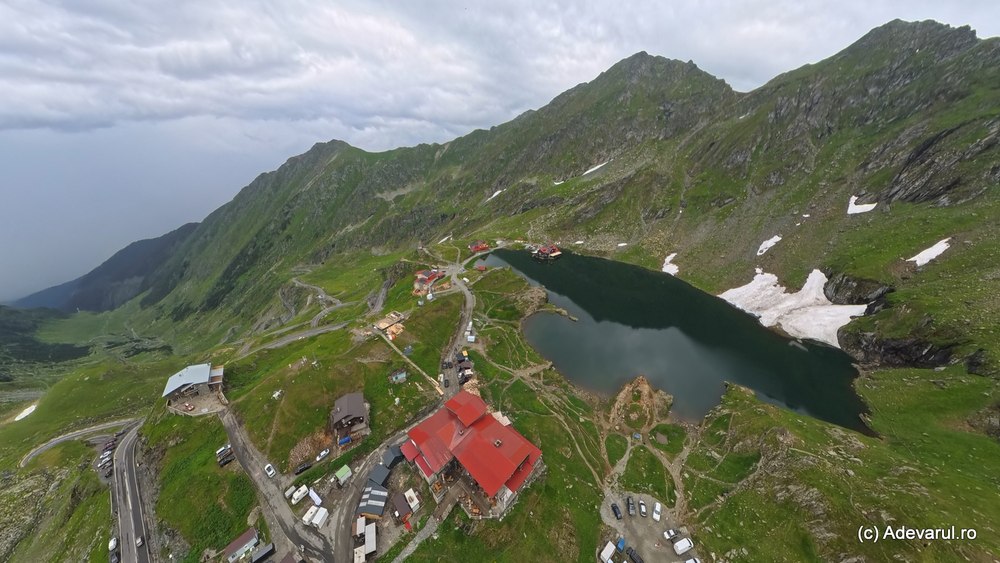
Romania's famed Transfăgărășan highway, also known as DN7C, continues to draw tourists with its unusual summer offerings, including lingering snow and the presence of bears. For nearly five decades, bears along the roadside have been an unexpected attraction, though their appearances have been less frequent since the road reopened.
Despite the rarer bear sightings, visitors have plenty of other natural and historical landmarks to explore. Key attractions include the spectacular Bâlea Waterfall, the glacial Bâlea Lake situated at over 2,000 meters altitude, the dramatic serpentine curves of the northern slope, Poenari Citadel, and Vidraru Lake.
Constructed in the 1970s, the Transfăgărășan winds through the Făgăraș Mountains, reaching an altitude of 2,042 meters near Bâlea Lake. Here, patches of snow can persist even in summer, particularly in shaded areas and glacial cirques. Bâlea Lake itself, covering over 46,000 square meters and reaching a depth of 11.35 meters, is the largest lake in the massif and lies within a protected natural reserve.
Further down, the Bâlea Waterfall cascades 60 meters, considered one of Romania's highest tiered waterfalls. Accessible from the road or via a cable car connecting Bâlea Cascade to Bâlea Lake, it originates from the glacial cirque. The route also features the Bâlea Tunnel–Capra, an 884-meter tunnel completed between 1972 and 1974, which traverses the mountain, linking the northern and southern sides of the Făgăraș Mountains.
DistantNews Editorial
Originally published by Adevărul in Romanian. Translated, summarized, and contextualized by our editorial team with added local perspective. Read our editorial standards.
More Stories


From Our Blog

What Gets Lost (and Found) When News Is Translated

The Critical Role of Diaspora Media in Global News

What Travellers Should Know About Countries with Restricted Press

A Digital Nomad's Guide to Following Local News

How the Same Story Looks Different in Different Countries
