


Transgenerational Trauma: How Family History Shaped a Man's Mental Health Struggles
Translated from German, summarized and contextualized by DistantNews.
At a glance
In-depth
Sources not specified
Context piece
- Andreas Bönte experienced severe psychological distress in his mid-30s, including insomnia, obsessive thoughts, and panic attacks.
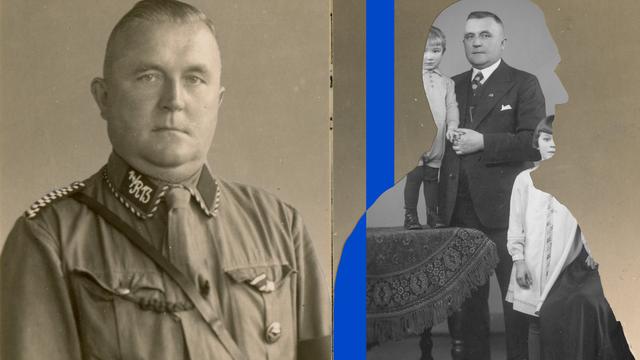
- His condition improved after therapy, during which he learned about his family's history, including his grandfather's suicide and involvement in Nazi-era pogroms.
- Researching his family history helped Bönte cope with his mental health struggles and understand their intergenerational impact.
Andreas Bönte, now 67, began experiencing severe psychological distress in his mid-30s. Once a confident journalist, he found himself battling insomnia, obsessive thoughts, constant anxiety, and debilitating panic attacks. These struggles led him to seek intensive therapy, which eventually helped him manage his condition.
During a family gathering, Bönte's uncle revealed a hidden family secret: his mother had never undergone similar therapy because it would have required confronting the suicide of Bönte's grandfather. This revelation led Bönte to discover that his grandfather had taken his own life and had participated in one of the most heinous crimes of the Nazi era, the November 1938 pogroms.
Years later, Bönte delved into his family history, exploring the profound and lasting consequences of the authoritarian Nazi ideology. He came to understand how deeply these historical events and his family's trauma had shaped his own life and mental health. The research, which formed the basis of his book "Die Vergangenheit in mir" (The Past in Me), ultimately provided him with a framework for coping with his psychological illness.
Bönte's experience highlights the concept of transgenerational trauma, where the psychological effects of traumatic events can be passed down through generations. His journey underscores the importance of confronting and understanding family history, even when painful, as a path toward healing and personal resolution.
DistantNews Editorial
Originally published by Die Zeit in German. Translated, summarized, and contextualized by our editorial team with added local perspective. Read our editorial standards.
More Stories



From Our Blog

What Gets Lost (and Found) When News Is Translated

How the Same Story Looks Different in Different Countries

The Critical Role of Diaspora Media in Global News

What Travellers Should Know About Countries with Restricted Press

A Digital Nomad's Guide to Following Local News
