


Transparent VC selection key to Nigerian varsities' growth: Study
Translated from English, summarized and contextualized by DistantNews.
At a glance
News
Named sources
Context piece
- A study revealed that transparent and accountable selection processes for vice-chancellors significantly influence university development and growth in Nigeria.
- Research findings indicate that universities with fair leadership selection consistently achieve better governance, institutional stability, and public trust.
- The Executive Secretary of TETFund criticized political interference, nepotism, and corruption in vice-chancellor appointments, warning they undermine academic excellence and national development.
The fairness and transparency of the process for selecting a university vice-chancellor play a crucial role in the institution's development and growth during their tenure, according to a study.
Research findings show that universities employing transparent, accountable, and inclusive leadership selection processes consistently demonstrate better governance outcomes, stronger institutional stability, and higher levels of public trust. These findings were presented at a public lecture hosted by the Abuja Leadership and Governance Centre at the University of Abuja. The lecture, themed "Leadership Selection Process and Governance of Federal Universities in Nigeria (1993–2024)," unveiled the study's results linking transparent leadership recruitment to improved university governance and institutional performance.
Political interference, nepotism and corruption remain among the greatest threats to good governance in our universities. When leadership appointments are influenced by factors other than merit and competence, the entire institution suffers.
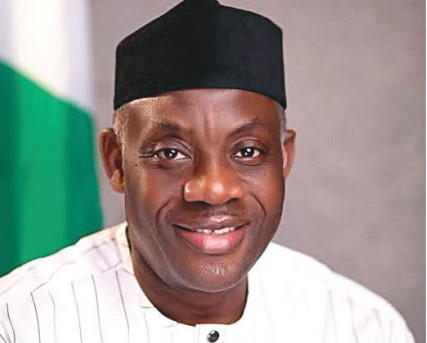
Arch. Sonny Echono, Executive Secretary of the Tertiary Education Trust Fund (TETFund), expressed strong dissatisfaction with political interference in appointing vice-chancellors in Nigerian public universities. He declared that the increasing influence of politics, nepotism, and corruption in leadership selection is undermining academic excellence, institutional stability, and good governance. Echono called for a comprehensive overhaul of the vice-chancellor appointment process, emphasizing that only a strict merit-based and transparent system can rescue the nation's universities from declining governance standards.
"Political interference, nepotism and corruption remain among the greatest threats to good governance in our universities. When leadership appointments are influenced by factors other than merit and competence, the entire institution suffers," Echono stated. He warned that when university leadership positions are determined by political interests rather than competence, the consequences extend beyond campuses, threatening the quality of graduates, research output, and national development. The TETFund boss stressed that federal universities must be shielded from undue external influence to fulfill their mandate of producing quality manpower and driving innovation. He noted that institutions involving stakeholders in leadership selection tend to have healthier governance structures and a stronger commitment to ethical standards. "The research clearly demonstrates that transparent and inclusive leadership selection processes are critical to effective governance in our federal universities. Institutions that prioritise accountability and stakeholder engagement consistently record better governance outcomes," he said. Echono further argued that vice-chancellors selected through credible and competitive processes are better positioned to promote research, encourage collaboration among scholars, and create an enabling environment for teaching and learning.
The research clearly demonstrates that transparent and inclusive leadership selection processes are critical to effective governance in our federal universities. Institutions that prioritise accountability and stakeholder engagement consistently record better governance outcomes.
DistantNews Editorial
Originally published by Vanguard in English. Translated, summarized, and contextualized by our editorial team with added local perspective. Read our editorial standards.
More Stories



From Our Blog

How the Same Story Looks Different in Different Countries

What Gets Lost (and Found) When News Is Translated

The Critical Role of Diaspora Media in Global News

What Travellers Should Know About Countries with Restricted Press

A Digital Nomad's Guide to Following Local News
