


Travel Becomes More Unpredictable; Experts Advise Preparation Amid 'VUCA' World
Translated from English, summarized and contextualized by DistantNews.
At a glance
In-depth
Documents & data
Context piece
- Travelers face an increasingly unpredictable world due to pandemics, conflicts, and changing immigration rules.
- Experts describe the current global climate as "VUCA" (volatility, unpredictability, complexity, and ambiguity).
- Despite challenges, the desire to travel remains strong, with a shift towards unique, less-visited destinations and stable regions.
The travel landscape has become significantly more unpredictable, with factors like pandemics, global conflicts, and evolving immigration requirements creating a complex environment for globetrotters. The ripple effects of events such as the Iran war have included sharp increases in jet fuel prices, widespread airspace closures, and numerous flight cancellations worldwide, leaving many questioning the future of travel.
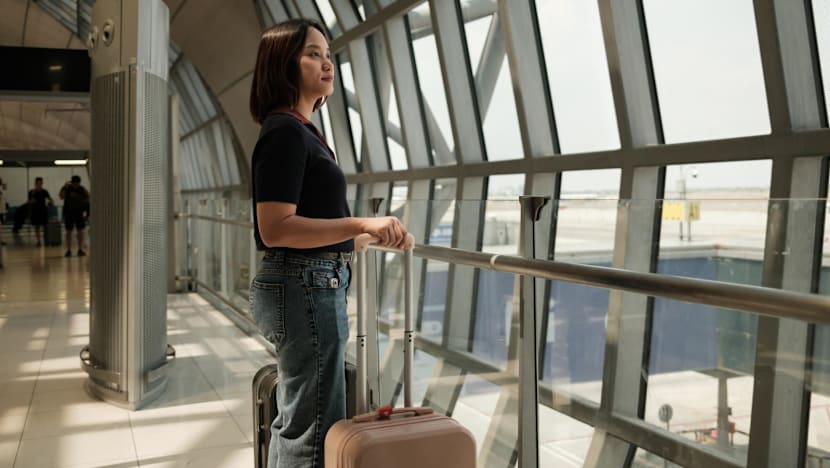
Many travellers today are moving away from popular destinations in favour of more unique, meaningful spots.
Experts characterize this era as "VUCA" – volatile, unpredictable, complex, and ambiguous. However, the fundamental human desire to explore, connect with loved ones, and decompress through travel persists. Consumers have grown accustomed to international holidays, often taking multiple leisure trips annually, making travel more accessible than ever before.
over a third (35 per cent) of Singapore travellers are choosing quieter and less visited destinations instead of over-touristed ones.
Travel preferences are evolving, with a notable trend of consumers moving away from overly popular destinations in favor of more unique and meaningful experiences. Data indicates that a significant portion of travelers are now opting for quieter, less-visited spots. This shift is partly driven by a desire for discovery and changing personal preferences, rather than solely an avoidance of conflict-adjacent areas.
Additionally, in recent years, Asian destinations are gaining prominence as countries across the region increased access to their destinations through enhancing infrastructure, connectivity, and travel experiences.
Furthermore, destinations perceived as politically stable and predictable, such as Portugal, Canada, and Switzerland, are gaining traction. Singapore, known for its image of stability and safety, has also seen increased passenger traffic and benefits from its role as a major regional transit hub. This influx of tourists could potentially lead to rising hotel prices in Singapore, possibly pricing locals out of domestic staycations and encouraging them to explore other Southeast Asian destinations.
The growing interest in regional Asian destinations is driven more by discovery and evolving traveller preferences, rather than a deliberate avoidance of Western or conflict-adjacent areas.
DistantNews Editorial
Originally published by CNA in English. Translated, summarized, and contextualized by our editorial team with added local perspective. Read our editorial standards.
More Stories



From Our Blog

What Gets Lost (and Found) When News Is Translated

The Critical Role of Diaspora Media in Global News

What Travellers Should Know About Countries with Restricted Press

A Digital Nomad's Guide to Following Local News

How the Same Story Looks Different in Different Countries
