



Travelling to Europe in a heat wave? Here’s what to know
Summarized and contextualized by DistantNews.
At a glance
News
Sources not specified
Context piece
- Europe is experiencing a severe heat wave, with record-breaking temperatures in several countries.
- The extreme heat has disrupted transportation, caused power outages, and led to early closures of tourist attractions.
- Travelers are advised to seek accommodations with air conditioning, as it is less common in Europe than in other regions.
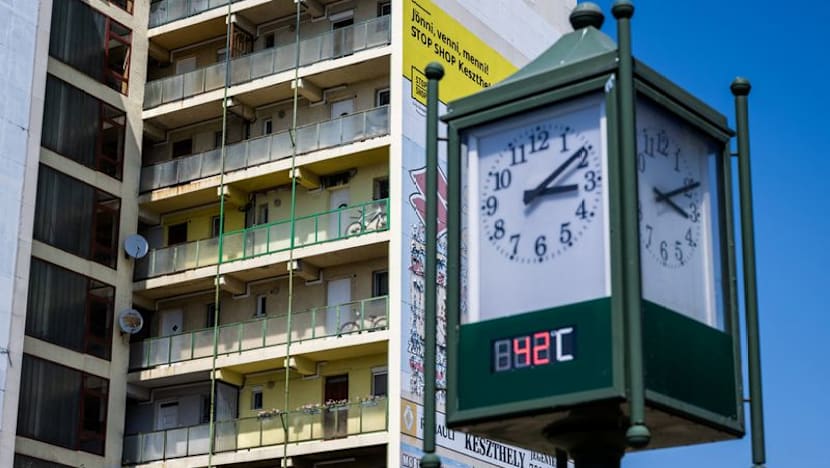
Europe is currently sweltering under a historic heat wave, prompting urgent warnings across more than a dozen countries and forcing residents and travelers to seek ways to stay safe and cool. This is the continent's second major heat event in just two months, underscoring a growing climate concern.
The intense heat has already caused significant disruptions. Rail lines in Britain have been affected, and iconic sites like the Louvre Museum and the Eiffel Tower in Paris were forced to close their doors early. In France, the heat wave has been particularly severe, with the country recording its hottest days ever on June 23 and 24. The situation has also led to power grid failures, leaving tens of thousands of homes without electricity.
Most hotels will provide air-conditioning. But if you’re staying in a short-term rental, it’s good practice to double-check, since most homes lack cooling units.
Forecasters predict a gradual return to more seasonal temperatures across Western Europe by June 26, but Eastern Europe is bracing for a scorching weekend. This comes as the peak summer travel season, typically in July and August, approaches, when temperatures usually climb even higher. The lack of widespread air conditioning in many European countries exacerbates the challenge for both locals and tourists.
Travelers planning trips to Europe are advised to take precautions. Air conditioning is notably less common in European homes compared to places like the United States or East Asia. In France, only about a quarter of homes are equipped with AC, and in Britain, it is often considered a luxury. Experts recommend double-checking rental accommodations for cooling units and utilizing air-conditioned public transport options, such as the London Underground, where available. Shaded public spaces and indoor cooling stations can also offer respite from the extreme temperatures.
While some buses are air-conditioned, others are 'hotter than the sun,' Wignall said. She recommends sticking to the Tube.
DistantNews Editorial
Originally published by CNA. Summarized and contextualized by our editorial team with added local perspective. Read our editorial standards.
More Stories


From Our Blog

What Gets Lost (and Found) When News Is Translated

The Critical Role of Diaspora Media in Global News

What Travellers Should Know About Countries with Restricted Press

A Digital Nomad's Guide to Following Local News

How the Same Story Looks Different in Different Countries
