


Trial of businessman featured in ‘The Black Swan’ postponed
Translated from Danish and summarized by DistantNews. Read the original for the full story.
At a glance
Newswire
Named sources
In the courts
- The trial of businessman Martin Malm Hansen was postponed after he failed to appear at Glostrup District Court.
- Prosecutors accuse him of laundering 17.3 million Danish kroner and committing VAT fraud involving 6.1 million kroner, charges he denies.
- The prosecution is seeking more than one year of suspended imprisonment, while the next hearing date remains unknown.
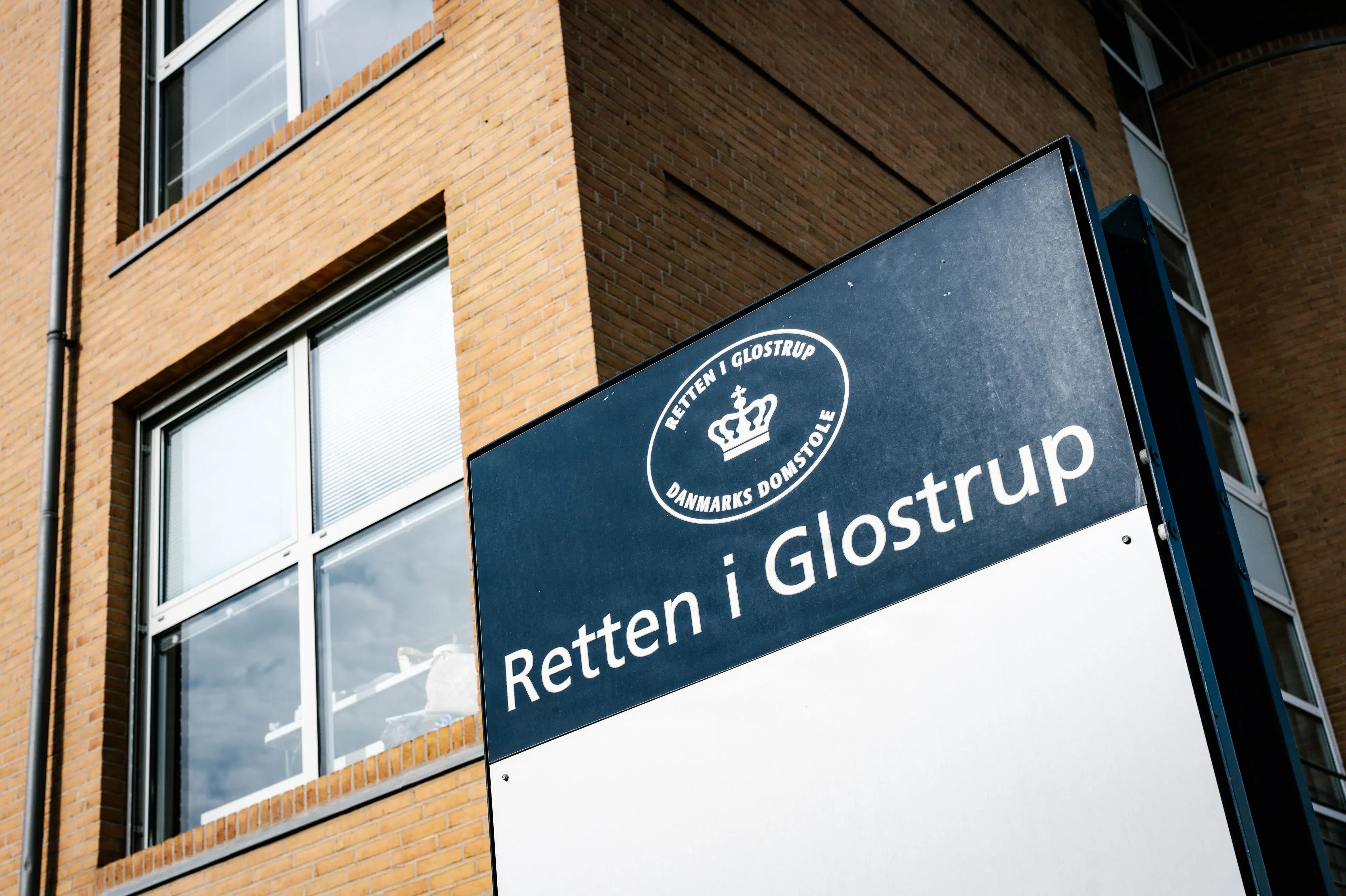
The criminal trial of Martin Malm Hansen, a businessman featured in the TV 2 documentary “The Black Swan,” was postponed after he failed to appear at Glostrup District Court on Wednesday.
The hearing lasted about three hours and took place behind closed doors. A judge announced that the main proceedings would not begin as scheduled, but the court did not say when the case would return.
Malm Hansen, 41, faces charges of aggravated money laundering involving 17.3 million Danish kroner and VAT fraud involving 6.1 million kroner. He denies the charges. Prosecutors are seeking more than one year of suspended imprisonment.
His lawyer, Anders Boelskifte, declined to comment after the hearing. Special prosecutor Konrad Joe Frank of Denmark’s National Special Crime Unit said only that “NSK is doing what is necessary to pursue the case.”
Before the courtroom doors closed, the defense argued that legal service in the case had not been properly completed. Legal service covers summonses and other important notices sent to people required to appear in court, including through Digital Post, by letter, or by telephone.
Malm Hansen appeared in hidden recordings made at the office of TV 2’s undercover source Amira Smajic for the documentary, which aired in 2024. He was among several people recorded without knowing it and spoke about helping criminals launder money.
NSK is doing what is necessary to pursue the case.
About this summary
Originally published by Berlingske in Danish. Translated, summarized, and contextualized automatically by DistantNews, with a note on how the source frames the story. Not individually reviewed before publishing. How this works.
More Stories



From Our Blog

What Gets Lost (and Found) When News Is Translated

The Critical Role of Diaspora Media in Global News

What Travellers Should Know About Countries with Restricted Press

A Digital Nomad's Guide to Following Local News

How the Same Story Looks Different in Different Countries
