


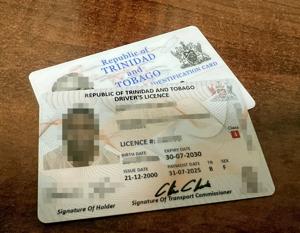
Trinidad and Tobago plans public ID law for over-16s
Translated from English, summarized and contextualized by DistantNews.
At a glance
News
Named sources
New plan
- Trinidad and Tobago plans to introduce legislation requiring all citizens and foreign nationals aged 16 and over to carry identification in public spaces.
- The move aims to combat identity fraud, assist law enforcement with warrants, and facilitate legitimate business transactions.
- The government will collaborate with the Elections and Boundaries Commission to ensure easy access to national identification cards, including school visits for teenagers.
Trinidad and Tobago's government intends to enact legislation mandating that all citizens and foreign nationals aged 16 and above carry a valid form of identification when in public spaces. Minister of Homeland Security Roger Alexander confirmed the plan, stating it aims to address issues like identity fraud and difficulties in serving legal warrants.
When you have a picture ID attached to your name, we see who you are.
Alexander explained that the current system allows individuals to impersonate others, complicating law enforcement's ability to identify suspects. He cited instances where individuals sought under one name could falsely claim another, hindering the execution of warrants. The proposed law, he believes, will help distinguish criminals from law-abiding citizens and ensure individuals can be properly identified for legitimate purposes, such as employment.
A leaked Cabinet Minute from April 2, 2026, indicated the proposal was referred to the Finance and General Purposes Committee for review. Alexander acknowledged the authenticity of the document and suggested that failure to produce identification upon request could result in a fine or penalty, though a grace period for presentation would be offered. He also noted that photo identification is already a standard requirement for employment.
Police would have a warrant for ‘John Brown’ and when they get a call describing John Brown and giving his location, when the police arrive there looking for John Brown he say his name is ‘Harry James’. How are we to identify him and deal with this?
The government plans to work with the Elections and Boundaries Commission (EBC) to make obtaining national identification cards accessible. For teenagers aged 16 and over, the EBC is expected to visit schools to facilitate registration and issuance of these cards before students complete their schooling. Alexander anticipates criticism, particularly from the People's National Movement, but asserts the initiative is crucial for national security and order.
We must be able to easily separate the criminals from the law-abiding citizens.
DistantNews Editorial
Originally published by Trinidad Express in English. Translated, summarized, and contextualized by our editorial team with added local perspective. Read our editorial standards.
More Stories



From Our Blog

What Gets Lost (and Found) When News Is Translated

The Critical Role of Diaspora Media in Global News

What Travellers Should Know About Countries with Restricted Press

A Digital Nomad's Guide to Following Local News

How the Same Story Looks Different in Different Countries
