

Truce tested
Summarized and contextualized by DistantNews.
At a glance
Analysis
Sources not specified
Ongoing story
- A recent exchange of fire between the US and Iran tests a fragile ceasefire agreement.
- The incident highlights the need for deconfliction mechanisms to prevent escalation.
- Regional mediators and diplomatic engagement are crucial to maintaining the peace process.
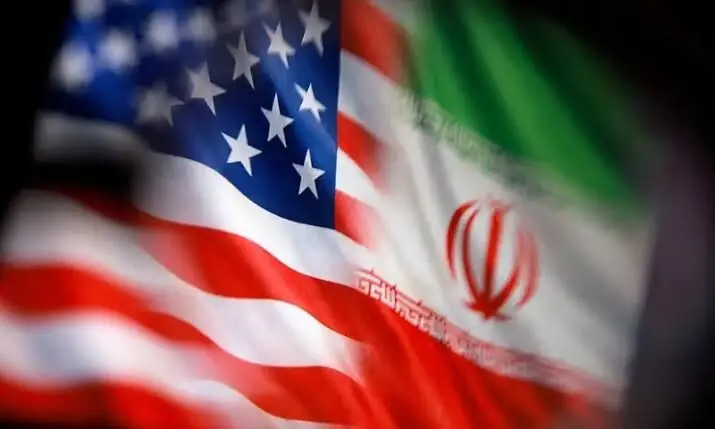
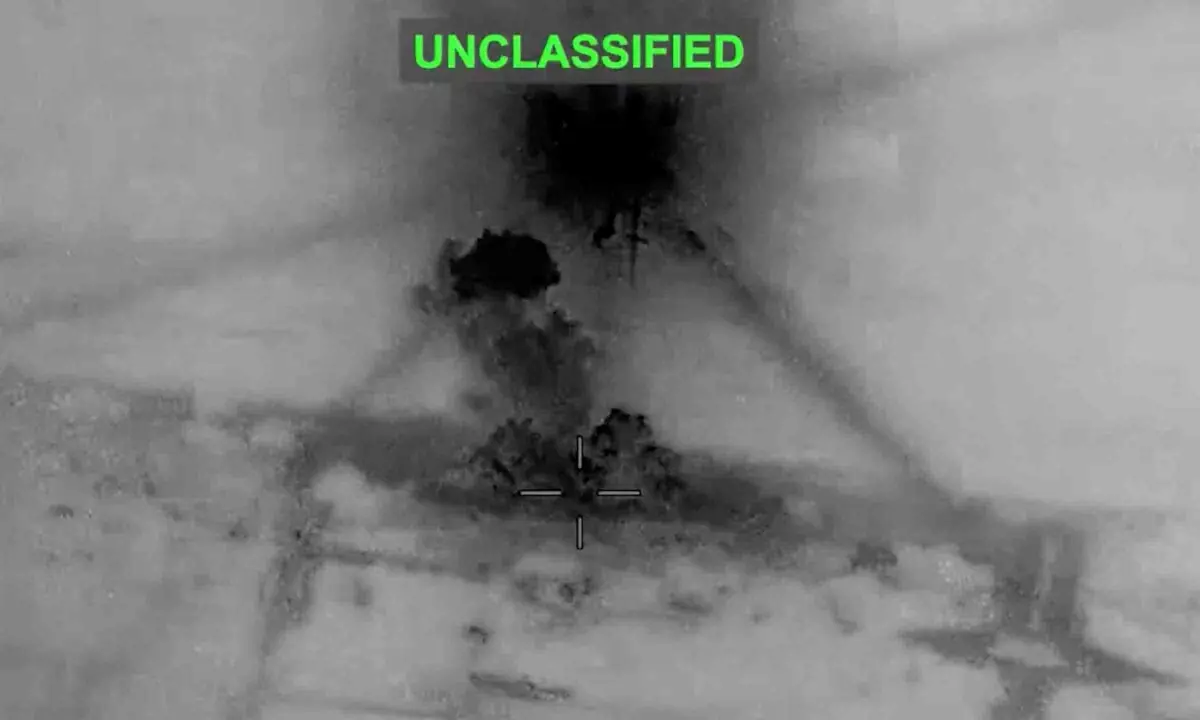
The recent exchange of fire between the United States and Iran serves as a stark reminder that ceasefires require more than signatures; they demand political restraint. The reported U.S. strikes, which followed Iran's actions against a commercial vessel in the Strait of Hormuz, illustrate how swiftly a single incident can jeopardize a broader peace process.
Washington described its response as limited and aimed at preserving the ceasefire, while Tehran maintained its actions were compatible with a Memorandum of Understanding (MoU). However, the episode exposed the fragility of the recent agreement. Both sides are urged to activate the deconfliction mechanism outlined in their MoU to clarify incidents, reduce miscalculation risks, and prevent localized confrontations from escalating into wider conflict.
Countries that facilitated the process, including Qatar and Pakistan, along with other regional stakeholders, must intensify their diplomatic engagement. A ceasefire relying solely on restraint is inherently unstable; one reinforced by constant communication and active mediation has a much better chance of enduring. This challenge is not unique to U.S.-Iran dialogue, as seen in the recent framework agreement between Israel and Lebanon, which also faces political resistance and vulnerability to renewed violence.
Diplomatic breakthroughs are merely the beginning of a long process requiring sustained political commitment, patience, and confidence-building. Washington's public messaging and private diplomacy are critical. Assurances to Gulf allies are important, but preserving regional confidence necessitates more than public statements. Both Washington and Tehran must demonstrate equal determination behind closed doors to prevent isolated military incidents from derailing negotiations. The alternative is a return to the familiar cycle of retaliation that has weakened diplomacy and diminished Middle East security. The latest exchange should be viewed not as proof of dialogue's failure, but as a warning against complacency.
DistantNews Editorial
Originally published by Dawn. Summarized and contextualized by our editorial team with added local perspective. Read our editorial standards.
More Stories

From Our Blog

What Gets Lost (and Found) When News Is Translated

The Critical Role of Diaspora Media in Global News

What Travellers Should Know About Countries with Restricted Press

A Digital Nomad's Guide to Following Local News

How the Same Story Looks Different in Different Countries
