

Trujillo case exposes cracks in Keiko Fujimori’s government response to organized crime
Translated from Spanish and summarized by DistantNews. Read the original for the full story.
At a glance
News
Named sources
Under investigation
- The kidnapping of mining businessman Jenss Lara and the killing of four people triggered conflicting accounts among Peru’s government, police and Lara’s family over his release and an alleged ransom.
- President Keiko Fujimori defended Defense Minister Rafael Belaúnde’s role, while officials offered differing accounts of whether money was paid and how the operation unfolded.
- Prosecutors are investigating five alleged members of Los Pulpos but say there is not enough evidence yet to establish that they committed the crimes.
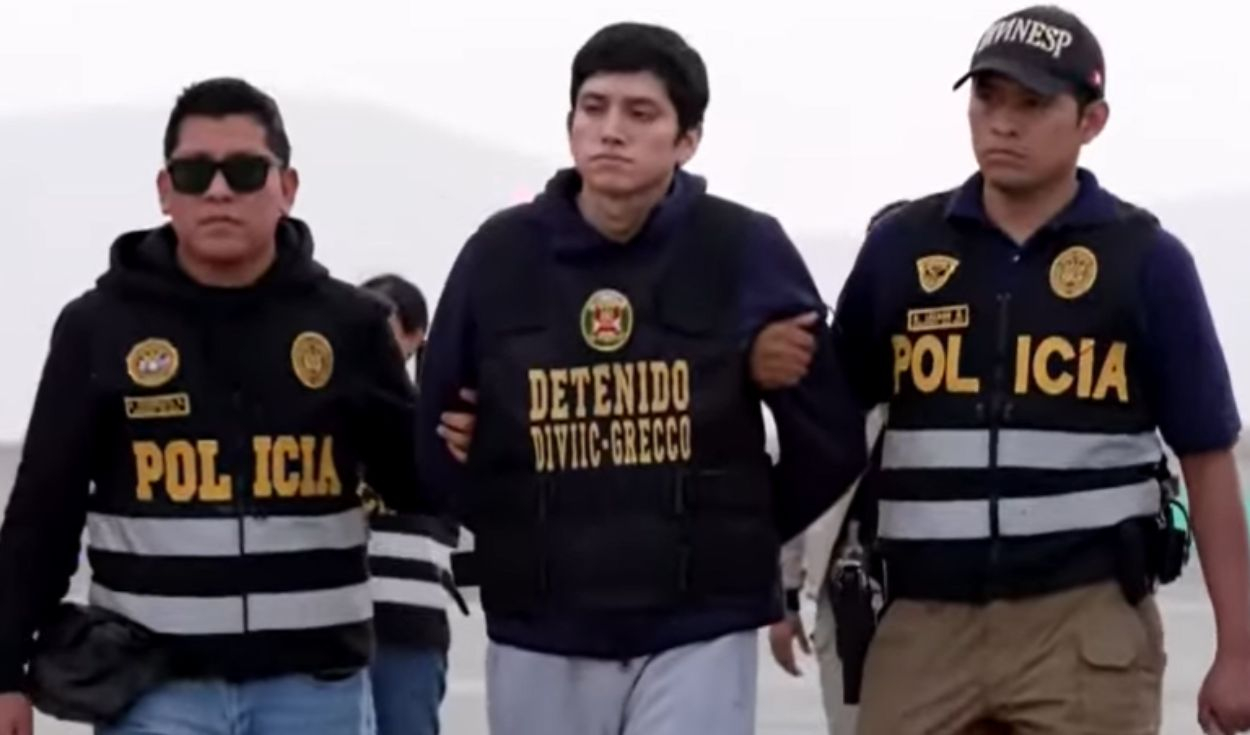
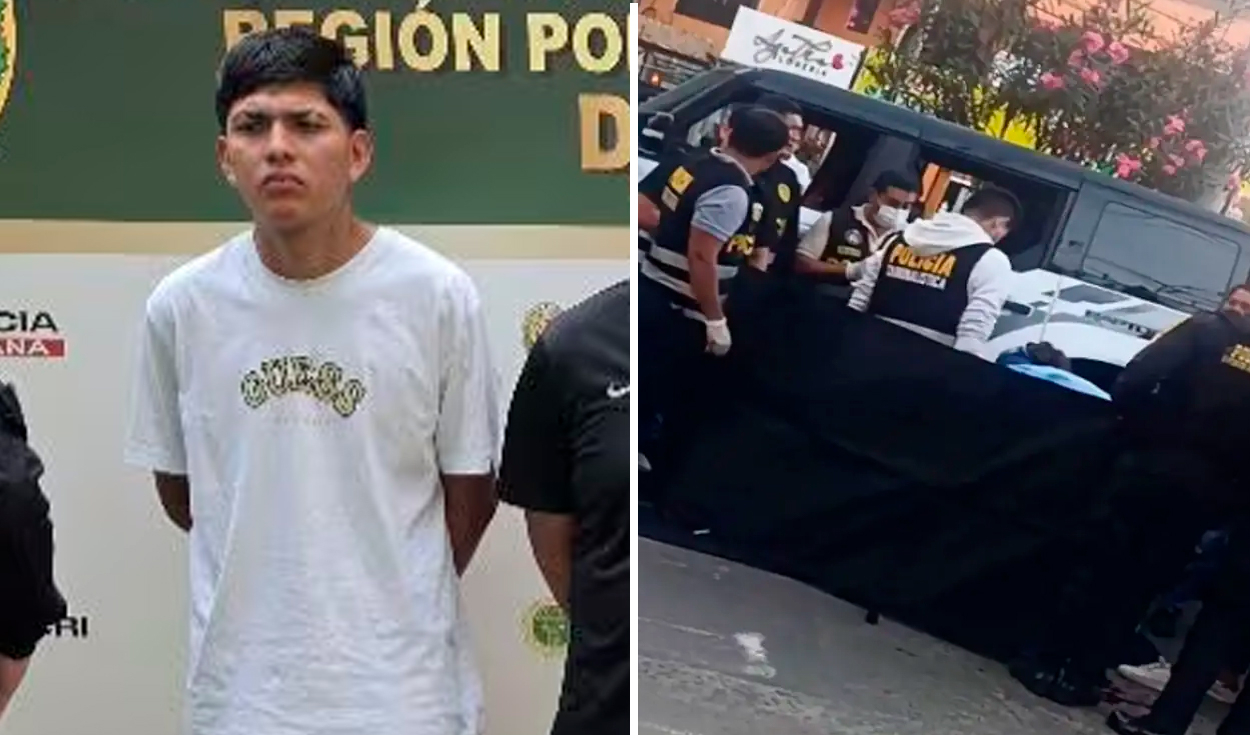
The kidnapping of mining businessman Jenss Lara and the killing of four people in Trujillo have exposed serious gaps in the government’s account of the response to organized crime. Within hours, officials offered competing versions of how Lara was freed, whether a ransom was paid and what role the five people detained by police played.
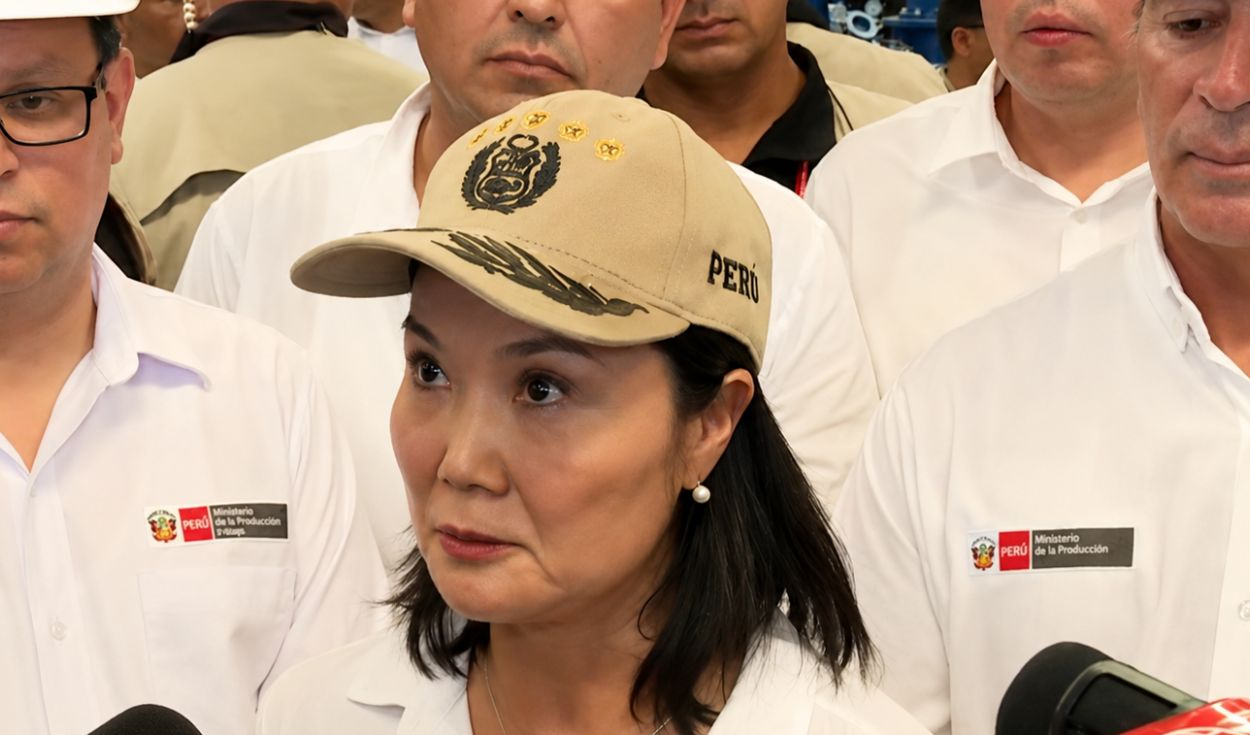
President Keiko Fujimori added to the dispute when she said Defense Minister Rafael Belaúnde had not interrogated the detainees. “Minister Belaúnde did not participate in any interrogation. The police handled it,” she said. Photographs showed Belaúnde alongside police commander General Óscar Arriola during the proceedings. Fujimori said Interior Minister César Astudillo was absent from Trujillo for personal reasons and that she had authorized Belaúnde’s trip to the La Libertad region.
The circumstances of Lara’s release remain contested. Belaúnde said Lara’s relatives handed over money while police monitored the operation and followed the money trail. Astudillo did not confirm that a ransom had been paid, saying the release could have followed a payment or resulted from the kidnappers feeling surrounded. General Víctor Revoredo said he did not know whether money had changed hands and that authorities respected the family’s account.
Minister Belaúnde did not participate in any interrogation. The police handled it.
Lara’s father, Eleuterio Lara, said the family secured his son’s release through its own efforts and contacts, despite reports that captors received $1 million. Lara’s brother said, “The police did nothing.”
The National Police presented five people as alleged members of the Los Pulpos criminal organization and linked them to the kidnapping and killings. Its theory is that four took part directly and one handled logistics. Prosecutor Jorge Chávez Cotrina said there was not enough evidence to declare them responsible. Investigators have 15 days to compare their faces, build and height with recorded images, locate the suspects and determine whether seized weapons were used. The detainees’ relatives deny their involvement and say they were at home when the crimes occurred.
The police did nothing.
About this summary
Originally published by La República in Spanish. Translated, summarized, and contextualized automatically by DistantNews, with a note on how the source frames the story. Not individually reviewed before publishing. How this works.
More Stories
From Our Blog

What Gets Lost (and Found) When News Is Translated

The Critical Role of Diaspora Media in Global News

What Travellers Should Know About Countries with Restricted Press

A Digital Nomad's Guide to Following Local News

How the Same Story Looks Different in Different Countries
