


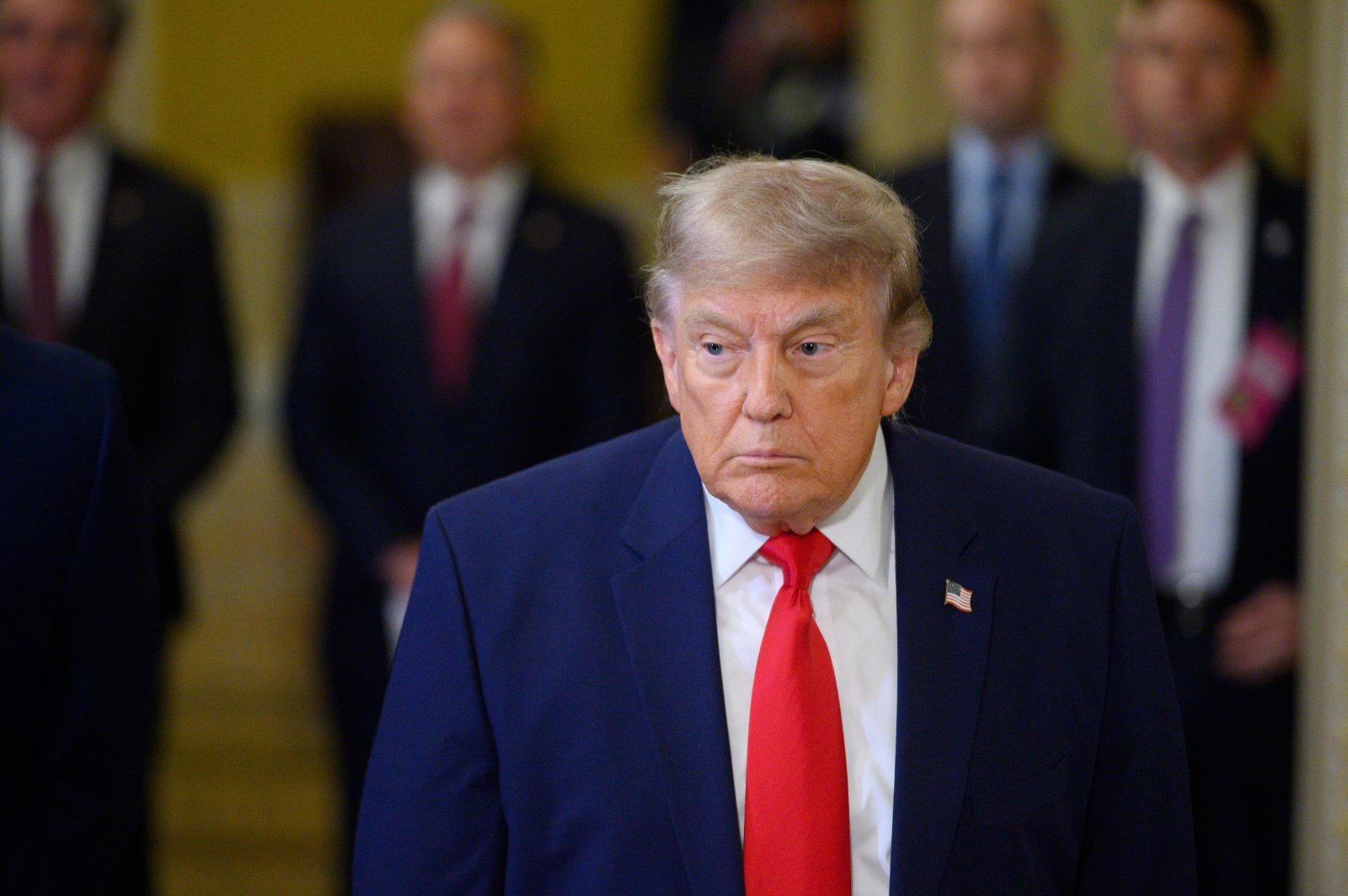
Trump administration blocks top AI models, industry seeks clear rules
Translated from Korean, summarized and contextualized by DistantNews.
At a glance
News
Named sources
New plan
- The Trump administration has restricted the general release of top-tier AI models from OpenAI and Anthropic, citing cybersecurity concerns.
- This move marks a shift from Trump's previous stance of minimizing AI regulation, causing uncertainty in the U.S. AI industry.
- AI companies are reportedly seeking clear, official standards for model releases rather than ad-hoc approvals, fearing it resembles European-style licensing.
The Trump administration has unexpectedly tightened controls on advanced artificial intelligence, restricting the public release of cutting-edge models from OpenAI and Anthropic. This abrupt change in policy, driven by concerns over potential misuse by hackers or hostile nations, deviates from former President Trump's earlier promises to reduce AI regulation.
It looks like a European-style licensing system where you have to get government permission every time you release a new model.
The administration's actions have created significant uncertainty within the U.S. AI sector. Companies like OpenAI have been asked to limit the general release of their new GPT-5.6 model, providing it only to select partners approved by the government. Similarly, Anthropic's high-performance models face restrictions on international distribution, with unclear justifications for these limitations.
Model releases should not be decided by ad-hoc judgments and one-off permits.
This unpredictable regulatory environment has left U.S. AI firms struggling to navigate the landscape. Industry insiders have expressed frustration, with one executive likening the situation to a European-style licensing system where new model releases require government permission. This contrasts with the industry's preference for clear, established guidelines, as seen under the Biden administration, which they argue would foster more predictable innovation.
President Trump has repeatedly stated his goal of ensuring the United States continues to lead in AI and advanced technology.
While the White House maintains that President Trump aims to promote AI innovation and maintain U.S. leadership, critics argue the administration is overreacting to potential risks without adequate preparation or expertise. This has led to a "walking on thin ice" atmosphere, as companies fear that openly demanding clarity could result in even stricter controls.
The administration's actions are an overreaction to foreseeable safety issues, undertaken without adequate preparation or expertise.
DistantNews Editorial
Originally published by Dong-A Ilbo in Korean. Translated, summarized, and contextualized by our editorial team with added local perspective. Read our editorial standards.
More Stories


From Our Blog

What Gets Lost (and Found) When News Is Translated

The Critical Role of Diaspora Media in Global News

What Travellers Should Know About Countries with Restricted Press

A Digital Nomad's Guide to Following Local News

How the Same Story Looks Different in Different Countries
