


Trump Administration Secretly Approached Iran's Revolutionary Guard in May
Translated from Korean and summarized by DistantNews. Read the original for the full story.
At a glance
News
Named sources
Context piece
- The Trump administration secretly attempted to contact Iran's Islamic Revolutionary Guard Corps (IRGC) leadership in May through a mediator.
- This move occurred during peace talks following a ceasefire, as the U.S. doubted the authority of Iran's official negotiating team.
- The secret contact, facilitated by the leader of the Iraqi Kurdistan region, aimed to bypass perceived IRGC control over the Iranian delegation.
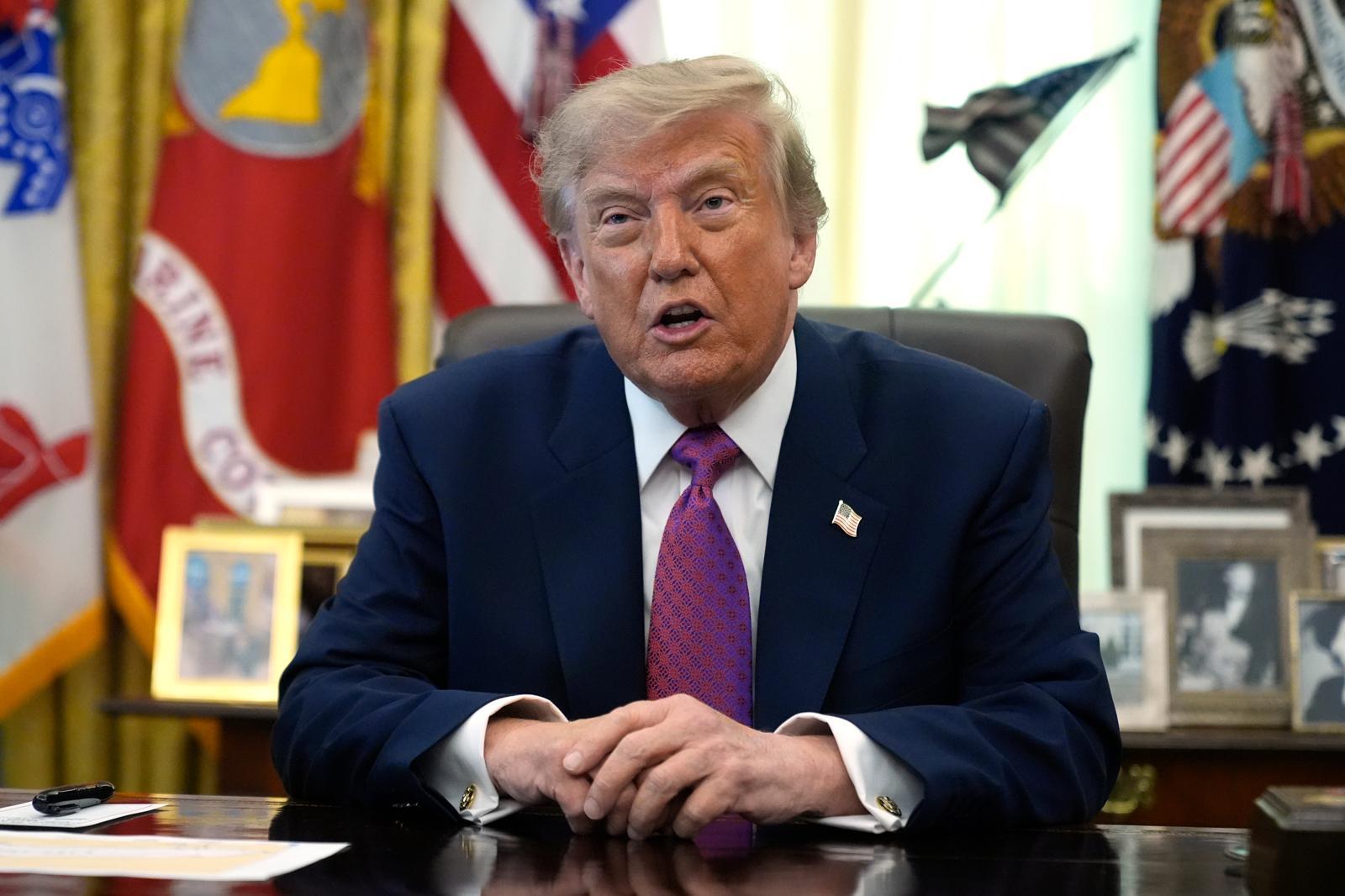
The Trump administration made a covert attempt in May to engage directly with the leadership of Iran's Islamic Revolutionary Guard Corps (IRGC), bypassing the official Iranian negotiating team. This initiative arose during ongoing peace talks following a ceasefire, as U.S. officials grew skeptical about the true authority held by Iran's designated negotiators.
According to sources cited by Axios, the administration utilized Nechirvan Barzani, the leader of the Iraqi Kurdistan region, as an intermediary. Barzani is reportedly trusted by both the U.S. and the IRGC. The U.S. had finalized a ceasefire agreement with Iran on April 8 and was progressing through peace negotiations. However, by early May, the White House felt close to an agreement, only to face a prolonged silence from the Iranian side, with no response for over ten days.
White House negotiators suspected that Iran's parliamentary speaker, Mohammad Bagher Ghalibaf, and Foreign Minister Abbas Araghchi lacked the ultimate decision-making power, believing their actions were dictated by the IRGC. This perception was further influenced by the death of Iran's Supreme Leader Ayatollah Seyed Ali Khamenei during the conflict and the IRGC's increased influence over security and foreign policy decisions.
Recognizing this perceived bottleneck, the White House sought an unofficial channel to communicate with the IRGC leadership. Then-Director of National Intelligence, Trita Parsi, reportedly contacted Barzani around May 10, requesting assistance in connecting with IRGC Commander-in-Chief Ahmad Vahidi. Barzani relayed this request to the IRGC, expressing a desire for direct dialogue with General Vahidi. On May 14, an IRGC official met Barzani at his office in Erbil, the capital of the Kurdistan region, carrying an encrypted phone. Barzani questioned Vahidi about his alignment with the negotiating team's stance, to which Vahidi affirmed full support for the delegation. This information was then conveyed to the White House.
The problem is not the mediator, the problem is Iran's policy in the Strait of Hormuz, and that is not going to change anytime soon.
About this summary
Originally published by Hankyoreh in Korean. Translated, summarized, and contextualized automatically by DistantNews, with a note on how the source frames the story. Not individually reviewed before publishing. How this works.
More Stories


From Our Blog

What Gets Lost (and Found) When News Is Translated

The Critical Role of Diaspora Media in Global News

What Travellers Should Know About Countries with Restricted Press

A Digital Nomad's Guide to Following Local News

How the Same Story Looks Different in Different Countries
