

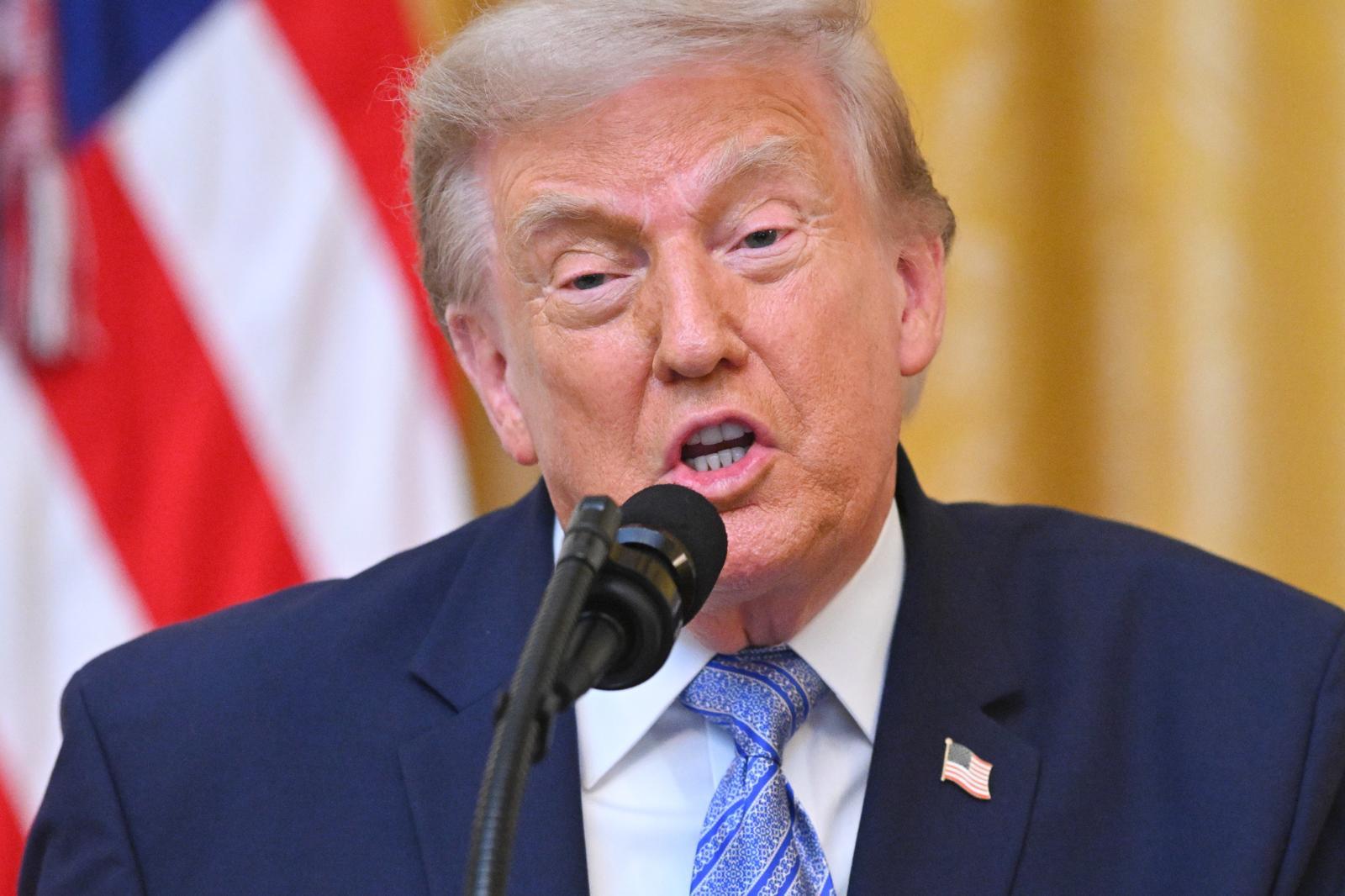

Trump: All ships attacked will be compensated with Iranian funds
Translated from Korean, summarized and contextualized by DistantNews.
At a glance
News
Sources not specified
Context piece
- President Donald Trump stated that any ship or cargo damaged in ongoing conflicts will be compensated with Iranian funds held by the U.S.
- This policy aims to be a fair and equitable measure amidst continued U.S.-Iran hostilities.
- The announcement was made via Trump's Truth Social account.
Amidst escalating tensions in the Strait of Hormuz, U.S. President Donald Trump has announced a new policy: any vessel or cargo suffering damage will be compensated using frozen Iranian assets under U.S. control. Trump declared on his Truth Social account that this measure, effective immediately and until further notice, is intended to be a "fair and equitable" response to the ongoing hostilities.
"From this point forth, any and all damages done to Ships, Cargo, or anything related thereto, will be paid for by Iranian Money that the United States has in its possession, and controls," Trump wrote on the social media platform. He added that while these damages might be substantial, the decision is the "fair and equitable thing to do."
From this point forth, any and all damages done to Ships, Cargo, or anything related thereto, will be paid for by Iranian Money that the United States has in its possession, and controls.
This declaration follows a period of continued confrontation between the two nations. The U.S. President has consistently maintained a firm stance against Iran, particularly concerning its nuclear program. Trump has repeatedly stated that Iran must not be allowed to acquire nuclear weapons, asserting that the U.S. is effectively managing the conflict and preventing Tehran from pursuing such capabilities.
These damages may be very substantial but, nevertheless, this is the fair and equitable thing to do.
DistantNews Editorial
Originally published by Chosun Ilbo in Korean. Translated, summarized, and contextualized by our editorial team with added local perspective. Read our editorial standards.
More Stories


From Our Blog

What Gets Lost (and Found) When News Is Translated

The Critical Role of Diaspora Media in Global News

What Travellers Should Know About Countries with Restricted Press

A Digital Nomad's Guide to Following Local News

How the Same Story Looks Different in Different Countries
