

Trump and Putin Caught in Their Own Wars: Analysis Reveals Strategic Dead Ends
Translated from Romanian, summarized and contextualized by DistantNews.
At a glance
Analysis
Named sources
Context piece
- Both Donald Trump and Vladimir Putin are struggling to end conflicts they initiated, trapped by their own decisions and power dynamics.
- Analysis suggests both leaders expected quick victories but are now unwilling to admit mistakes or retreat, despite diminishing chances of success.
- This "power trap" isolates them, leading them to sustain costly strategies without clear results, as seen in Trump's Iran dealings and Putin's Ukraine war.
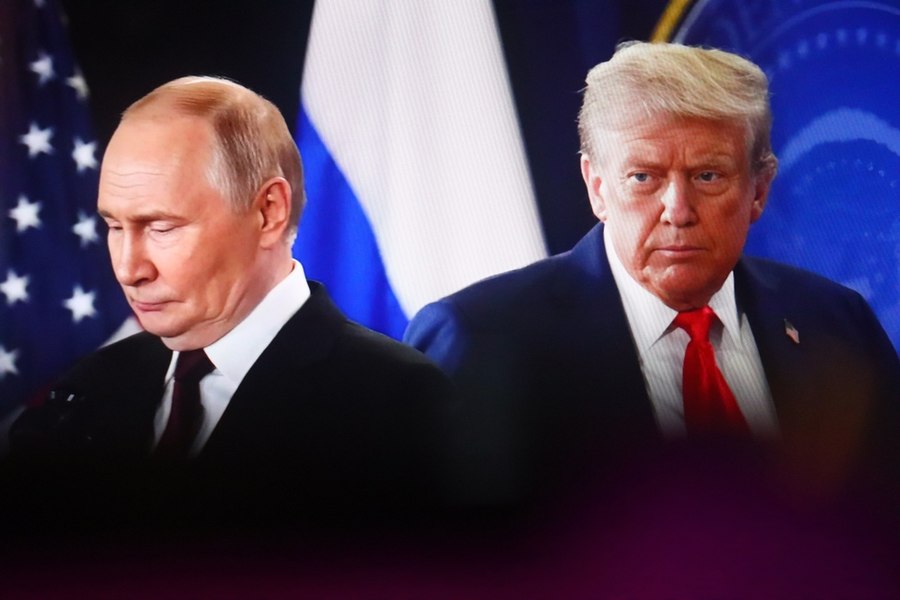
Donald Trump and Vladimir Putin find themselves ensnared in the consequences of their own strategic decisions, facing significant difficulties in extricating themselves from the conflicts they initiated. Both leaders, according to an analysis by The Washington Post, operated under the assumption that their adversaries would quickly yield, disregarding counsel that warned against such optimism.
Neither leader appears willing to acknowledge errors or make concessions, even as the prospects for outright victory fade. This situation, described as a "power trap," isolates them within circles of loyalists, preventing genuine criticism and encouraging the continuation of expensive strategies despite a lack of tangible progress. Trump's handling of the Iran conflict, marked by oscillating threats and offers of compromise, creates unease even among regional allies.
Putin faces a similar predicament in Ukraine, maintaining the narrative of a "special military operation" and expecting Kyiv to capitulate. However, internal dissent within the Kremlin is suppressed, with analyst Tatiana Stanovaya noting that "no one dares to express doubts to Putin." The immense costs of Russia's strategy, including heavy battlefield losses and stalled advances, are significant. Putin also avoids measures like general mobilization due to fears of domestic backlash.
Experts like Dmitri Trenin and Vasily Kashin highlight the risks of misjudging the Ukrainian context. Kashin argues that Russia's goal of dismantling Ukraine's government is unattainable without a prolonged, full-scale occupation, which he deems "technically impossible" for Russia at this stage. The analysis suggests that any potential U.S. agreement with Iran might echo the complexities of the nuclear deal.
Nimeni nu își permite să își exprime îndoielile față de Putin
DistantNews Editorial
Originally published by Adevărul in Romanian. Translated, summarized, and contextualized by our editorial team with added local perspective. Read our editorial standards.
More Stories

From Our Blog

What Gets Lost (and Found) When News Is Translated

The Critical Role of Diaspora Media in Global News

What Travellers Should Know About Countries with Restricted Press

A Digital Nomad's Guide to Following Local News

How the Same Story Looks Different in Different Countries
