


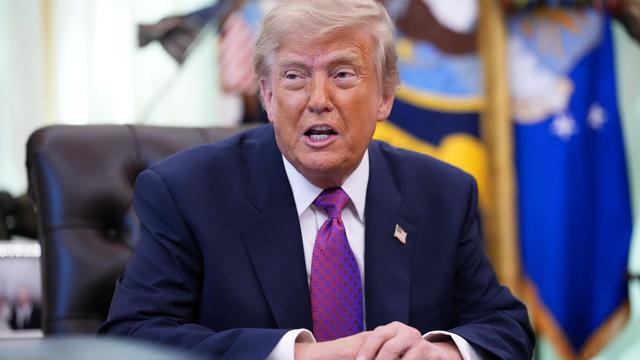
Trump announces agreements aimed at lowering U.S. drug prices
Translated from German and summarized by DistantNews. Read the original for the full story.
At a glance
News
Official statement
New plan
- President Donald Trump announced agreements with CSL, Sun Pharmaceutical and UCB to offer Medicaid medicines on most-favored-nation terms.
- The White House did not disclose how many medicines the agreements cover or how much patients and the government could save.
- Consumer group Public Citizen criticized the agreements as a distraction, while the announcement came ahead of November’s midterm elections.
President Donald Trump has announced new agreements with several pharmaceutical companies that he says will reduce drug costs for the U.S. government health program Medicaid.
The companies include Australia’s CSL, India’s Sun Pharmaceutical and Belgium’s UCB. Trump said at a White House meeting that they had agreed to offer medicines to Medicaid at most-favored-nation prices, calling it “an enormous discount that should significantly reduce the cost of medical care.”
The White House released no details on how many medicines the agreements cover or how much the government and patients might save. Consumer advocates, including Public Citizen, questioned the announcement and described it as a distraction from the administration’s failed effort to bring U.S. drug prices down to levels in other wealthy countries.
Medicaid already receives large manufacturer discounts under existing law. Consumers in the United States pay substantially more for prescription medicines than people in most other industrialized countries.
The administration reached similar agreements last year with 17 major drugmakers, including Pfizer, Eli Lilly and Novo Nordisk. The latest announcement comes before November’s midterm elections, which will determine control of Congress. Israeli generic-drugmaker Teva said it remains in talks with the government.
an enormous discount that should significantly reduce the cost of medical care
About this summary
Originally published by Die Zeit in German. Translated, summarized, and contextualized automatically by DistantNews, with a note on how the source frames the story. Not individually reviewed before publishing. How this works.
More Stories



From Our Blog

What Gets Lost (and Found) When News Is Translated

How the Same Story Looks Different in Different Countries

The Critical Role of Diaspora Media in Global News

What Travellers Should Know About Countries with Restricted Press

A Digital Nomad's Guide to Following Local News
