


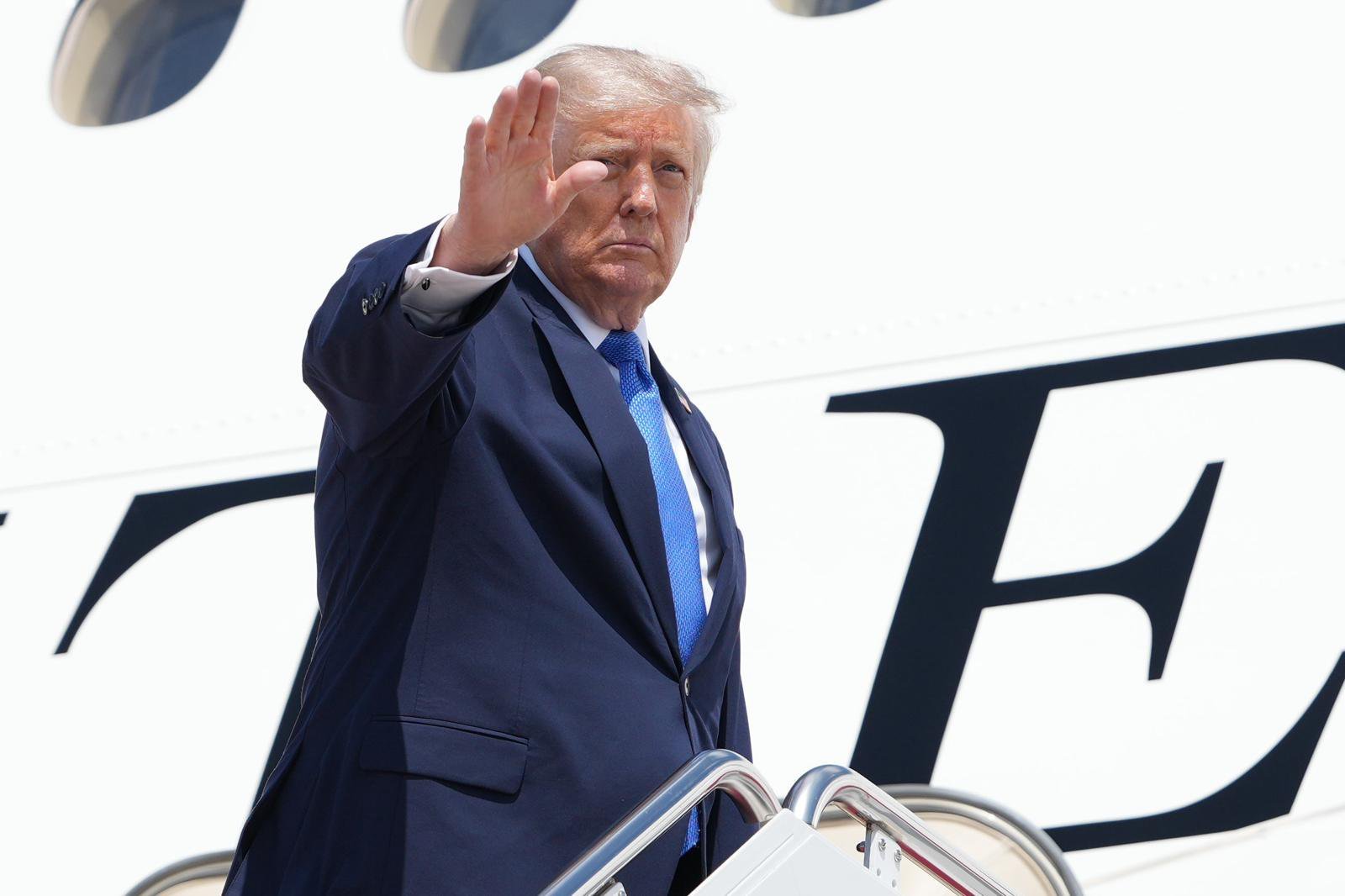
Trump Canceled Iran Airstrike Due to Missile Shortage, Report Claims
Translated from Korean, summarized and contextualized by DistantNews.
At a glance
News
Named sources
New plan
- A report suggests the U.S. military has depleted about 80% of its THAAD missile inventory during the conflict with Iran.
- This depletion of missile stocks may have influenced President Trump's decision to cancel a planned airstrike on Iran.
- The report highlights concerns about dangerously low ammunition levels within the U.S. military.
The U.S. military's missile reserves are reportedly at critically low levels, potentially impacting presidential decisions on military action. According to foreign media citing multiple sources, the U.S. has used approximately 80% of its Terminal High Altitude Area Defense (THAAD) missile inventory and about half of its Patriot missiles during the conflict with Iran. This significant depletion has led to warnings from high-ranking commanders about dangerously low ammunition stockpiles. One source indicated that the Army has virtually exhausted its long-range precision surface-to-air missiles in the recent conflict. This situation is cited as the reason behind President Trump's decision to cancel a planned large-scale airstrike against Iran on June 1. Earlier, Trump had indicated a strong retaliatory strike, stating, "We will be hitting them very strongly."
DistantNews Editorial
Originally published by Dong-A Ilbo in Korean. Translated, summarized, and contextualized by our editorial team with added local perspective. Read our editorial standards.
More Stories



From Our Blog

What Gets Lost (and Found) When News Is Translated

The Critical Role of Diaspora Media in Global News

What Travellers Should Know About Countries with Restricted Press

A Digital Nomad's Guide to Following Local News

How the Same Story Looks Different in Different Countries
