


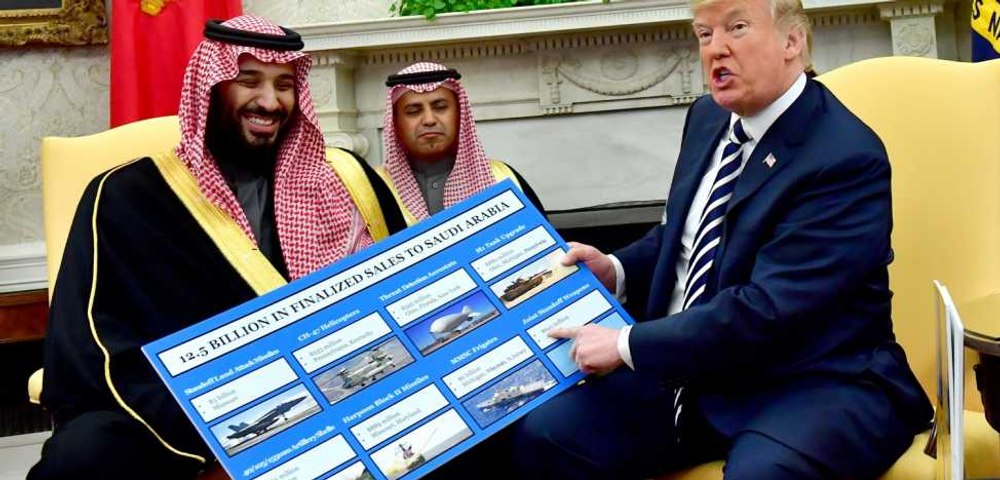
Trump cancels planned Iran strikes after Saudi, allied pressure
Translated from Romanian, summarized and contextualized by DistantNews.
At a glance
News
Named sources
New plan
- U.S. President Donald Trump unexpectedly canceled planned large-scale military strikes against Iran, citing fears of a wider conflict in the Persian Gulf.
- The decision followed intense pressure from Middle Eastern allies, particularly Saudi Arabia, and concerns about the U.S. military's capacity for a prolonged war.
- Military analysts highlight significant depletion of U.S. defense stocks and logistical challenges, while Iran maintains a firm stance and diplomatic channels remain active.
U.S. President Donald Trump made a surprising strategic shift, calling off major military strikes against Iran that had been prepared in response to recent escalations.
The decision came amid growing concerns about the risk of a widespread conflict in the Persian Gulf, with Saudi Arabia reportedly playing a key role in urging de-escalation. Trump had previously indicated that U.S. forces were "ready and armed" for unprecedented attacks, but ultimately suspended the escalation, conditioning any potential ceasefire on the swift conclusion of an "agreement."
Intense diplomatic pressure from U.S. allies in the Middle East, including Saudi Arabia, appears to have been a decisive factor. Crown Prince Mohammed bin Salman reportedly expressed deep concern over the consequences of further military escalation during a phone call with Trump. Both Riyadh and Tehran are facing significant economic pressure due to the blockade of the Strait of Hormuz, a vital oil transit route. Meanwhile, diplomats from Qatar, Pakistan, and Oman are actively engaged in negotiations with both Washington and Tehran to ensure the resumption of maritime navigation and avert total chaos.
Beyond diplomatic efforts, military analysts warn that the U.S. military faces serious supply and logistical challenges. After months of operations in the Middle East, essential defense system stocks have reportedly fallen to risky levels. A recent report from the Center for Strategic and International Studies (CSIS) indicated that U.S. reserves have been reduced significantly, with numbers of ballistic interceptor missiles also declining. Furthermore, damage to aircraft and ongoing deployments of warships are delaying necessary maintenance. Analysts suggest Washington lacks a simple "gradual exit" strategy, as Iran retains the capacity to retaliate against potential strikes. Tehran, through its Foreign Minister Abbas Araghchi, has conveyed a firm position in ongoing communications with regional counterparts.
The night of Thursday to Friday finally gave Youssef Belaïli advice: he accepted the offer of a one-year renewable contract and must sign tomorrow.
DistantNews Editorial
Originally published by Adevărul in Romanian. Translated, summarized, and contextualized by our editorial team with added local perspective. Read our editorial standards.
More Stories


From Our Blog

What Gets Lost (and Found) When News Is Translated

The Critical Role of Diaspora Media in Global News

What Travellers Should Know About Countries with Restricted Press

A Digital Nomad's Guide to Following Local News

How the Same Story Looks Different in Different Countries
