


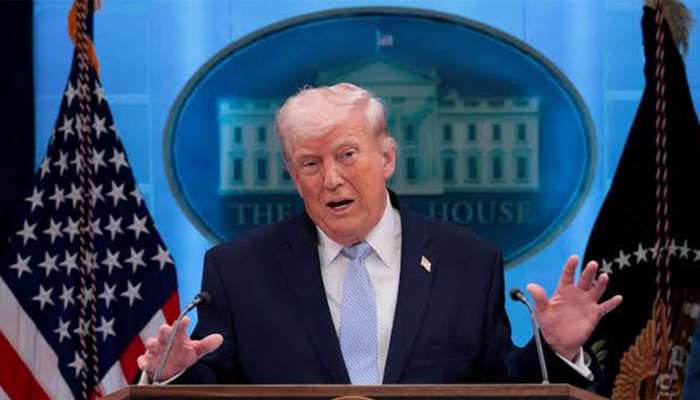
Trump considered all-out war options against Iran but opted for talks: Report
Translated from English, summarized and contextualized by DistantNews.
At a glance
News
Named sources
Context piece
- President Trump considered large-scale military strikes against Iran but chose to continue diplomatic talks, according to a Wall Street Journal report.
- Discussions reportedly focused on whether to abandon nuclear negotiations and pursue military action to "finish the job."
- Trump believes new military operations could jeopardize the ongoing negotiations for a nuclear deal, though he supports limited strikes if Iran violates current understandings.
President Donald Trump has recently contemplated resuming extensive military strikes against Iran but has opted to continue diplomatic negotiations for the time being, a Wall Street Journal report revealed, citing U.S. officials familiar with the discussions.
The high-level talks reportedly involved discussions with Secretary of War Pete Hegseth and Chairman of the Joint Chiefs of Staff General Dan Caine. The central question was whether the United States should withdraw from nuclear talks with Tehran and revert to full-scale military action, with some discussions centering on whether Washington should "finish the job" by launching a new wave of offensives.
However, officials indicated that Trump believes initiating renewed military operations now could disrupt ongoing negotiations and reduce the chances of reaching a definitive agreement to dismantle Iran's nuclear program. The report also noted that Trump has signaled his willingness to extend negotiations beyond the August 18 deadline for a nuclear pact, allowing diplomacy more time despite slow progress.
They're agreeing to everything that I want, and they have to. Otherwise, we just go back and do what we have to do.
While setting aside a broader military campaign for now, the U.S. President reportedly supports limited retaliatory strikes if Tehran breaches the current understanding between the two nations. This stance follows recent attacks that briefly threatened a fragile ceasefire brokered earlier this month. "They're agreeing to everything that I want, and they have to," Trump told reporters last week. "Otherwise, we just go back and do what we have to do."
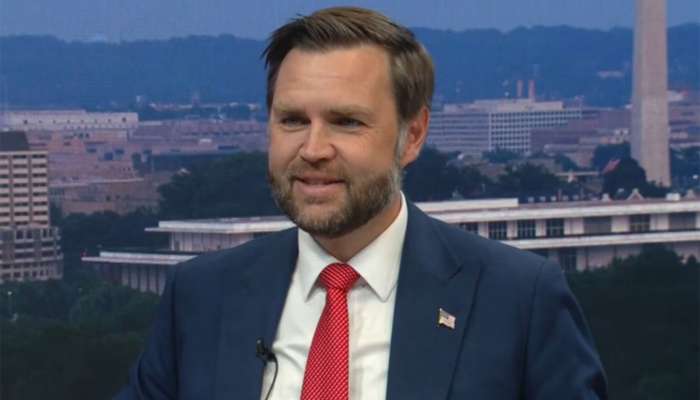
Vice President JD Vance echoed this firm position, stating on Fox News that the administration would continue negotiations but maintained "a lot of optionality" if diplomatic tracks failed. Meanwhile, Middle East envoys Steve Witkoff and Jared Kushner arrived in Doha for further indirect negotiations with Iranian delegates, facilitated by Qatari mediators, according to the report. The diplomatic dialogue remains stalled over contentious issues, including Tehran's demand for service fees on vessels in the Strait of Hormuz and disagreements over the specific restrictions on Iran's nuclear program. Top Pentagon officials have consistently presented Trump with military alternatives should diplomacy completely break down, but the President has hesitated to authorize a full-scale offensive since agreeing to a ceasefire earlier this year, despite prior warnings of severe military consequences if Iran targeted American personnel.
a lot of optionality
DistantNews Editorial
Originally published by Times of Oman in English. Translated, summarized, and contextualized by our editorial team with added local perspective. Read our editorial standards.
More Stories


From Our Blog

What Gets Lost (and Found) When News Is Translated

The Critical Role of Diaspora Media in Global News

What Travellers Should Know About Countries with Restricted Press

A Digital Nomad's Guide to Following Local News

How the Same Story Looks Different in Different Countries
