


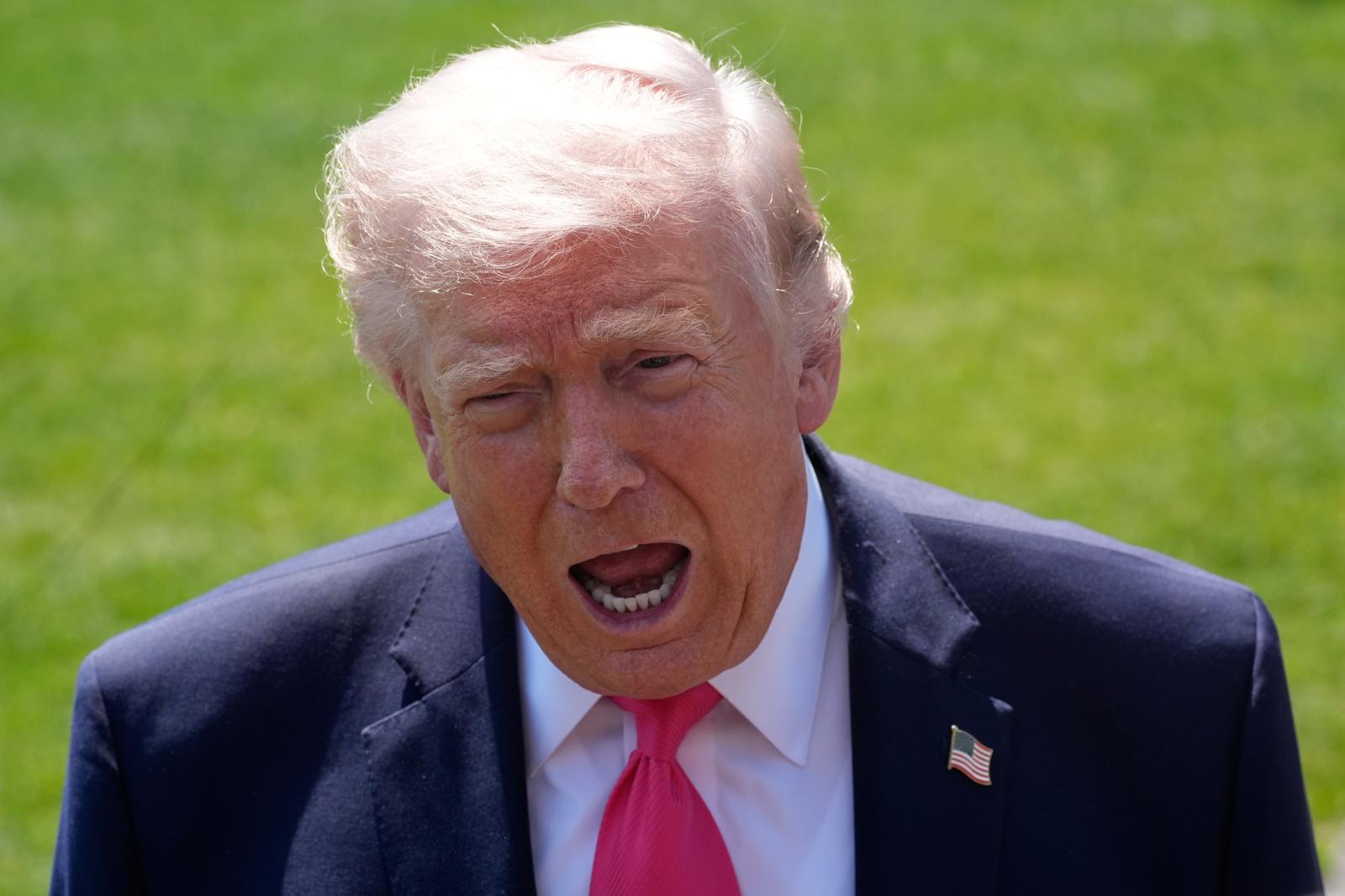
Trump Convenes White House Meeting on Iran Ceasefire, Strait of Hormuz Blockade
Translated from Korean, summarized and contextualized by DistantNews.
TLDR
- US President Donald Trump convened a White House Situation Room meeting to discuss the Iran ceasefire negotiations and Iran's potential re-blockade of the Strait of Hormuz.
- The meeting included Vice President J.D. Vance, Secretary of State Mike Rubio, and other senior officials.
- Iran declared the Strait of Hormuz closed again after two ships were fired upon, despite a conditional reopening announced earlier.
This report from Dong-A Ilbo details a high-level US meeting convened by President Donald Trump concerning the volatile situation with Iran, focusing on ceasefire negotiations and the critical Strait of Hormuz. The article highlights the urgency and complexity of the diplomatic and military considerations, with senior officials like Vice President J.D. Vance, Secretary of State Mike Rubio, and Defense Secretary Pete Hegseth in attendance.
They are using tricky methods like they have for the past 47 years. They cannot threaten us.
The core of the issue revolves around Iran's actions in the Strait of Hormuz. After a conditional reopening was announced following ceasefires with Lebanon and Iran, Iran's Islamic Revolutionary Guard Corps (IRGC) declared the strait closed again, reportedly firing on two ships. This move is presented as Iran's response to the US maintaining its naval blockade, which Tehran views as a violation of the ceasefire agreements. The IRGC's statement warns that any approach to the strait will be considered cooperation with the enemy, underscoring the heightened tensions.
The ceasefire negotiations are actually proceeding very smoothly. We will have to see, but we should receive some news today.
From a Korean perspective, as reflected in this report, the situation is viewed through the lens of international diplomacy and the potential for escalation. The article notes Trump's strong rhetoric, calling Iran's actions "tricky" but also expressing optimism about the ceasefire talks. The mention of a potential second round of negotiations in Islamabad, Pakistan, suggests the involvement of regional players in mediating the conflict. The report emphasizes Iran's stance: it will continue to control the Strait of Hormuz until the US lifts its naval blockade. This dynamic highlights the strategic importance of the waterway and the high stakes involved for global trade and security, a perspective that resonates in a trade-dependent nation like South Korea.
The US naval blockade is a violation of the ceasefire agreement, and any approach to the Strait of Hormuz will be considered cooperation with the enemy.
DistantNews Editorial
Originally published by Dong-A Ilbo in Korean. Translated, summarized, and contextualized by our editorial team with added local perspective. Read our editorial standards.
More Stories


From Our Blog

What Gets Lost (and Found) When News Is Translated

The Critical Role of Diaspora Media in Global News

What Travellers Should Know About Countries with Restricted Press

A Digital Nomad's Guide to Following Local News

How the Same Story Looks Different in Different Countries
