


Trump Declares Iran Ceasefire Over After Tanker Attacks, Threatens Strikes
Translated from German, summarized and contextualized by DistantNews.
At a glance
News
Sources not specified
Ongoing story
- The US has bombed Iranian cities and speedboats after Iran attacked tankers in the Strait of Hormuz, escalating tensions.
- Iran's Foreign Ministry stated that key parts of a June ceasefire agreement with the US are now ineffective.
- President Trump declared the ceasefire over and threatened further strikes, while also stating he does not want to withdraw US negotiators.
The fragile ceasefire in the Gulf has shattered following fresh Iranian attacks on tankers in the Strait of Hormuz. In response, the US bombed Iranian cities and speedboats near the strait overnight.
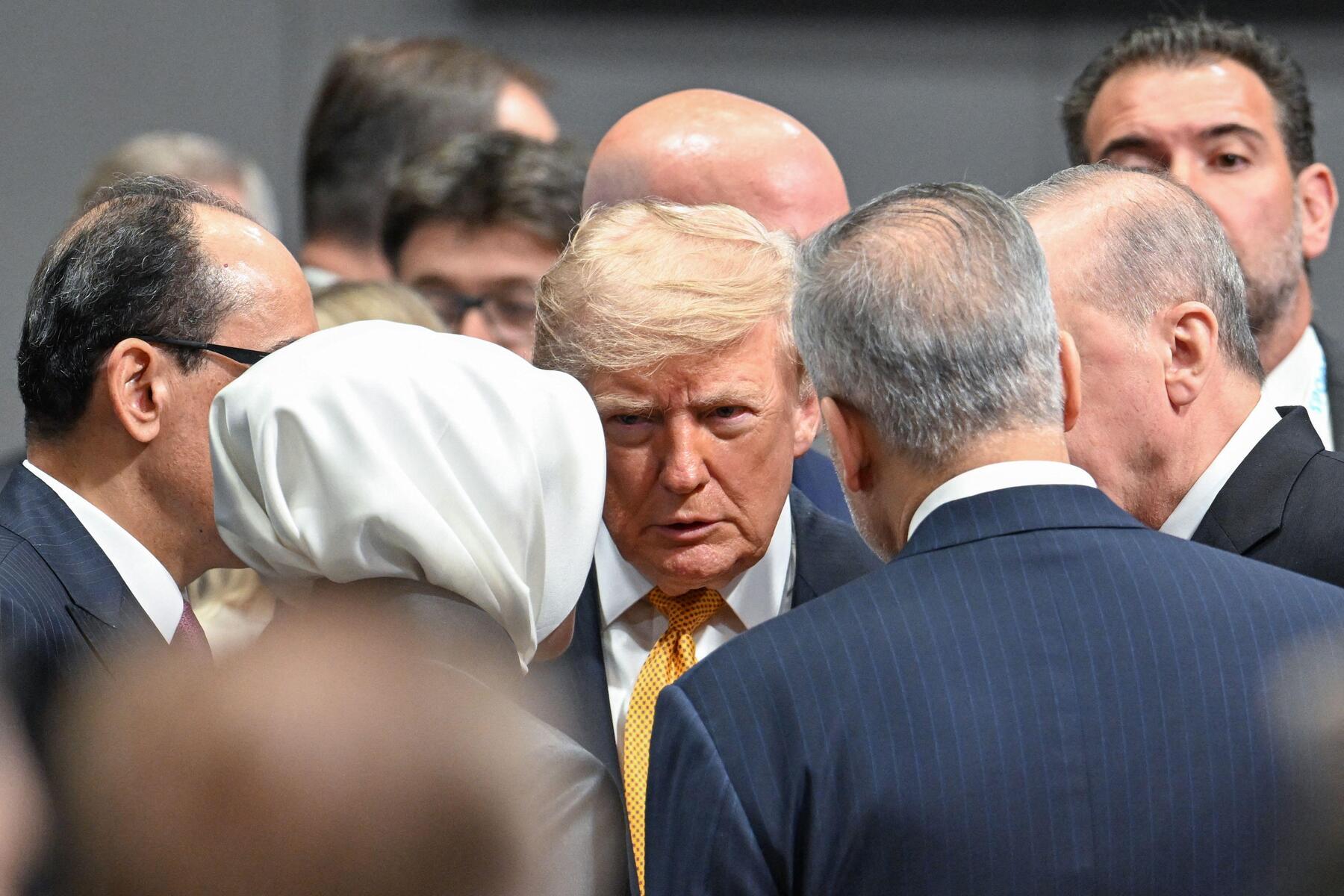
Iran's Foreign Ministry declared that "important and fundamental parts" of the June ceasefire agreement with the US were now "ineffective." US President Donald Trump echoed this sentiment, stating the ceasefire was "over." He also warned of further strikes against Iran in the coming night, telling reporters at a NATO summit in Turkey, "I issue a small warning: We will hit them hard tonight."
The 14-point agreement, reached on June 17, aimed to end hostilities and lift the blockade of the Strait of Hormuz. It was intended to lay the groundwork for two months of talks on a permanent deal concerning Iran's nuclear program and a reconstruction package for Iran. However, nearly half of this period has passed with no tangible progress in political discussions. The next round of talks was reportedly scheduled for Saturday.
I issue a small warning: We will hit them hard tonight.
Trump expressed his view that further talks would be a waste of time, stating, "I don't like these people," referring to the Iranians. Despite this, he indicated he would not withdraw US negotiators. The Trump administration reinstated sanctions on Iranian oil exports, which had been lifted under the 14-point agreement, due to the recent escalation.
The vagueness of the 14-point agreement is now proving problematic, as both Iran and the US interpret its terms to their advantage. Point 5 obliges Iran to ensure safe and free passage for merchant ships through the Strait of Hormuz for two months, while engaging in dialogue with Oman and other neighbors for a lasting solution. Tehran, however, interprets this as confirmation of its dominance over the strait, a position it enforced during wartime. When Oman established a new tanker route near its coast without consulting Iran, Tehran viewed it as an affront to its claims, leading to repeated attacks on ships off Oman, most recently on Tuesday. Tehran maintains that only routes under Iranian control are safe for ships, a stance critics label as extortion.
I don't like these people.
DistantNews Editorial
Originally published by Die Presse in German. Translated, summarized, and contextualized by our editorial team with added local perspective. Read our editorial standards.
More Stories

From Our Blog

What Gets Lost (and Found) When News Is Translated

The Critical Role of Diaspora Media in Global News

What Travellers Should Know About Countries with Restricted Press

A Digital Nomad's Guide to Following Local News

How the Same Story Looks Different in Different Countries
