


Trump Demands 'White Flag Surrender' from Iran, Threatens to 'Bomb' Oman
Translated from Korean and summarized by DistantNews. Read the original for the full story.
At a glance
News
Named sources
Context piece
- U.S. President Donald Trump demanded Iran "raise the white flag of surrender" to end the conflict, stating there is "no timetable" for withdrawal.
- Trump also threatened to "bomb" Oman if it interfered with U.S. efforts to reopen the Strait of Hormuz.
- The remarks came as a 60-day agreement between the U.S. and Iran on ending the war expired, with indirect communication channels reportedly open.
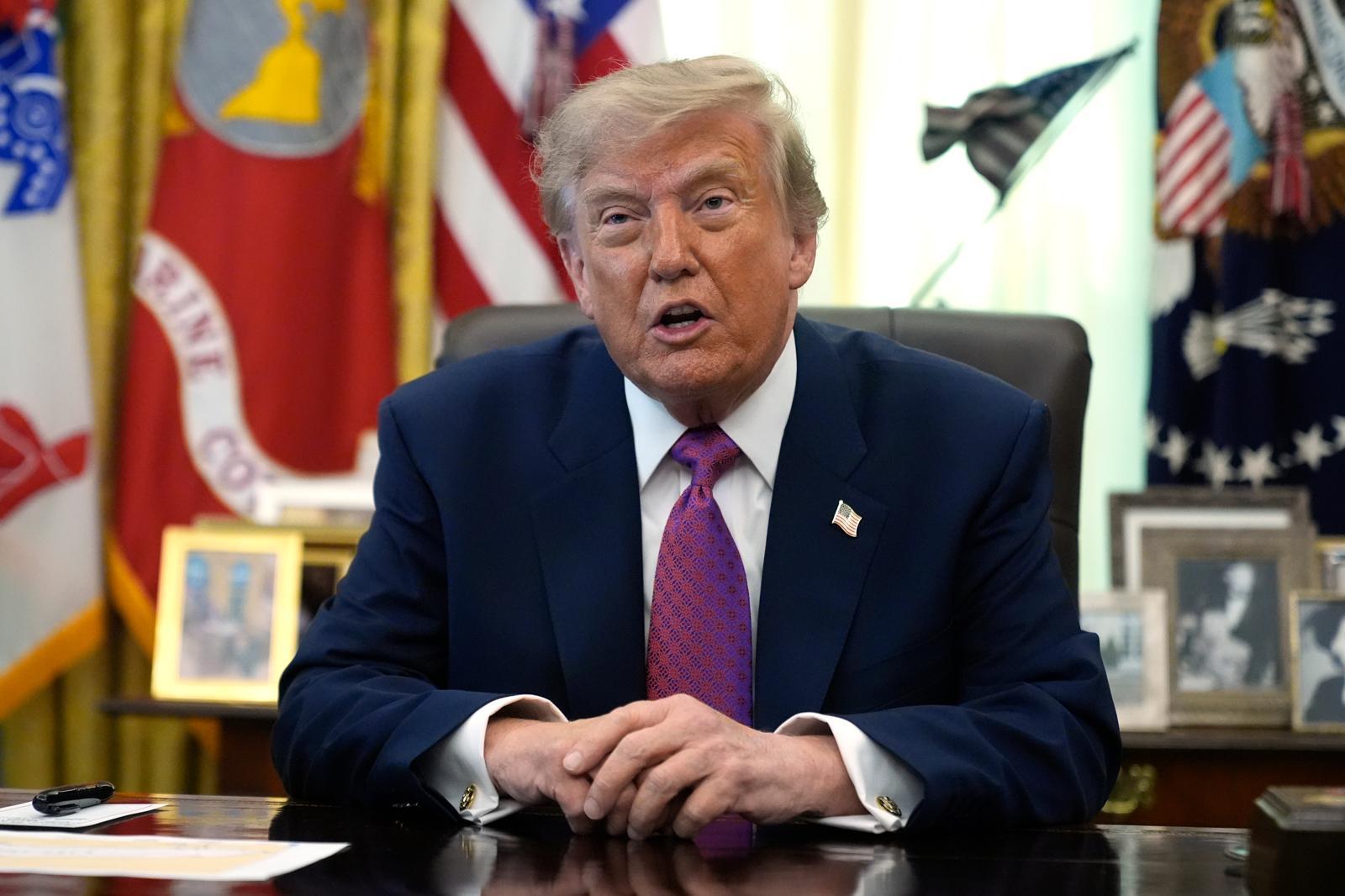
U.S. President Donald Trump has demanded Iran "raise the white flag of surrender" to end the conflict, stating there is "no timetable" for withdrawal. He also issued a stark warning to Oman, threatening to "bomb" the country if it obstructs U.S. efforts to reopen the Strait of Hormuz.
I have no timetable. I'm not in a rush.
These pronouncements were made in a phone interview with Fox News reporter Trey Yingst on August 17, as a 60-day agreement between the U.S. and Iran concerning the end of the war expired. Trump emphasized his lack of urgency, stating, "I have no timetable. I'm not in a rush."
U.S. officials confirmed they are communicating directly with Iran's Islamic Revolutionary Guard Corps through informal channels, bypassing intermediaries. While Trump did not explicitly confirm ongoing talks, he commented on the Revolutionary Guard, saying, "They play poker well, but they are dying right now."
If Oman interferes with us, we will bomb them completely.
The interview occurred amid heightened attention on the future actions of both the U.S. and Iran following the expiration of the memorandum of understanding signed on June 17. Trump's threat against Oman followed reports that the country was discussing a fee structure for passage through the Strait of Hormuz with Iran. Trump had previously warned in May that the U.S. could bomb Oman if such discussions occurred.
They play poker well, but they are dying right now.
About this summary
Originally published by Hankyoreh in Korean. Translated, summarized, and contextualized automatically by DistantNews, with a note on how the source frames the story. Not individually reviewed before publishing. How this works.
More Stories


From Our Blog

What Gets Lost (and Found) When News Is Translated

The Critical Role of Diaspora Media in Global News

What Travellers Should Know About Countries with Restricted Press

A Digital Nomad's Guide to Following Local News

How the Same Story Looks Different in Different Countries
