

Trump Drops Hormuz Tariff Threat, Pursues Gulf Trade Deals as Iran Sanctions Resume
Translated from Malay, summarized and contextualized by DistantNews.
At a glance
News
Sources not specified
Ongoing story
- President Donald Trump withdrew his threat to impose a 20% tariff on cargo ships transiting the Strait of Hormuz.
- The U.S. will instead pursue large-scale trade and investment agreements with Gulf nations.
- This development coincides with the U.S. reimposing sanctions on Iranian ports and ongoing military tensions in the region.
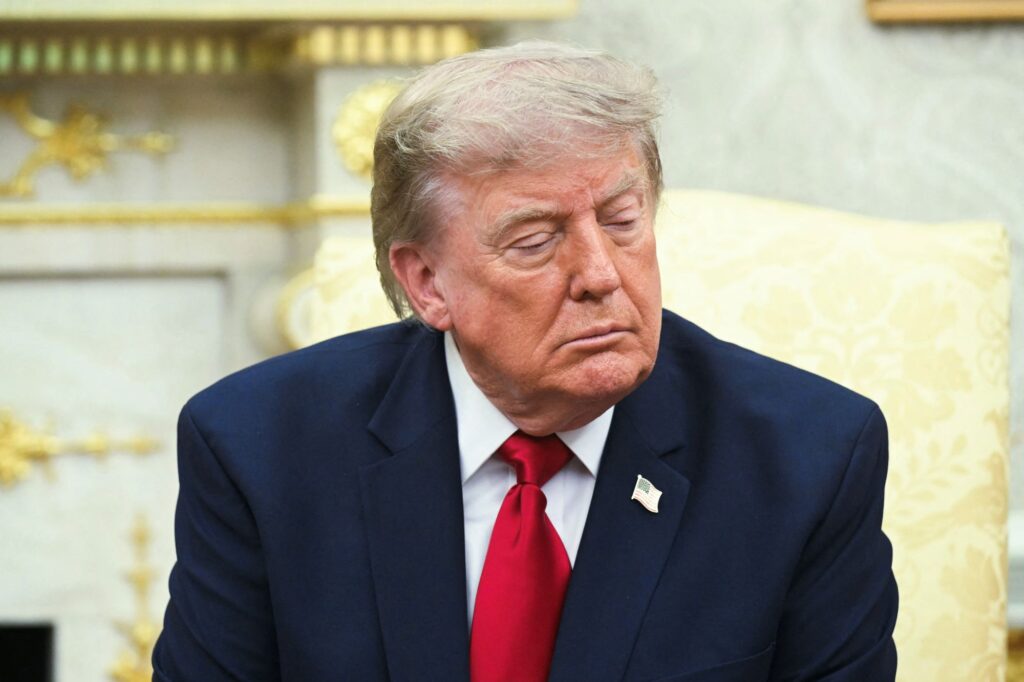
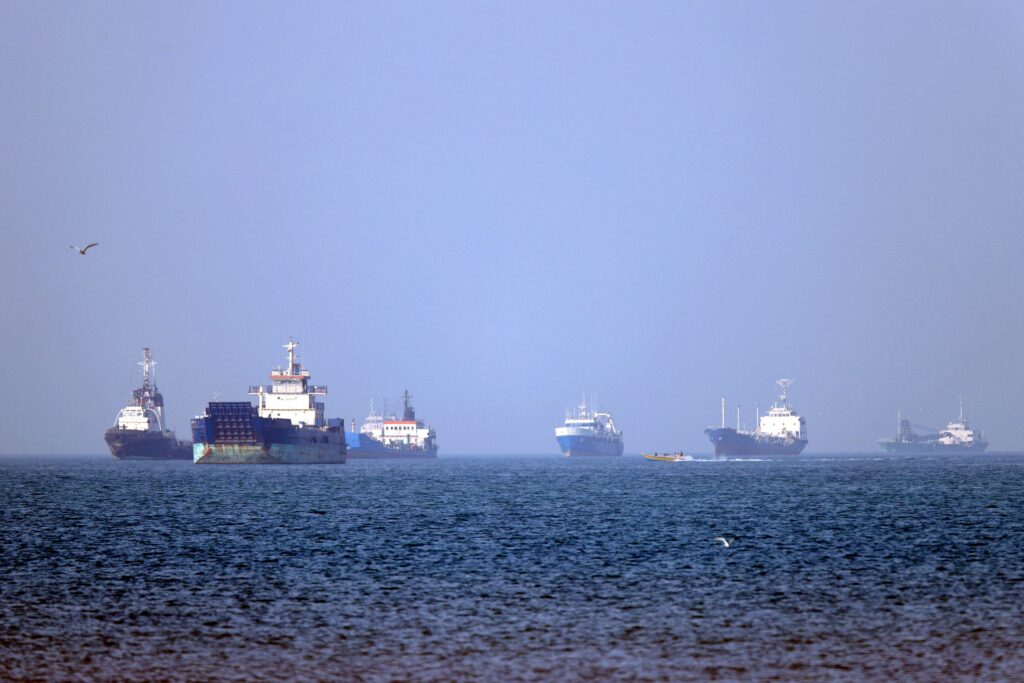
President Donald Trump has rescinded his threat to impose a 20% tariff on cargo ships passing through the Strait of Hormuz, signaling a shift in U.S. strategy concerning Iran's influence over the strategic shipping lane. Instead of the tariff, Washington will pursue significant trade and investment deals with Gulf countries.
This decision comes just hours before the United States is set to reimpose sanctions on Iranian ports. The move follows a series of escalations between the U.S. and Iran, which have caused a sharp spike in oil prices and significantly disrupted tanker traffic through the vital waterway.
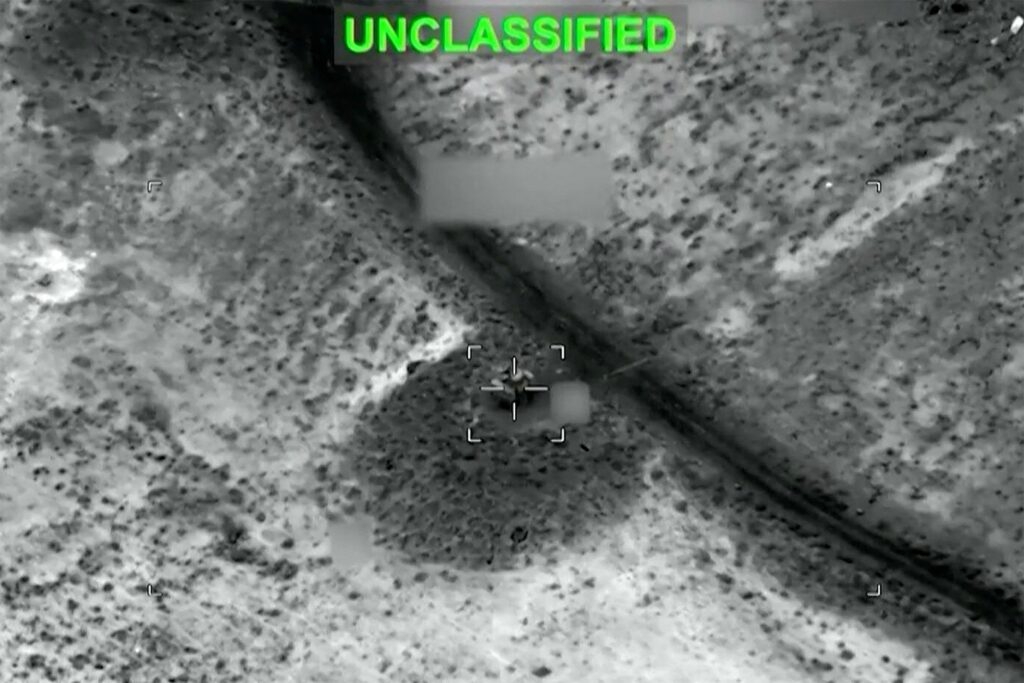
U.S. Central Command (CENTCOM) confirmed that its forces launched further strikes against Iran to degrade its ability to attack merchant vessels in the Strait. Iran, in response, claimed to have targeted U.S. military facilities in Bahrain and Jordan after earlier attacks on two United Arab Emirates (UAE) oil tankers.
The ongoing exchanges highlight the critical strategic importance of the Strait of Hormuz. Iran accuses the U.S. of interfering with its management of the waterway, while its control over the Strait allows Tehran to exert pressure on the global economy.
DistantNews Editorial
Originally published by Utusan Malaysia in Malay. Translated, summarized, and contextualized by our editorial team with added local perspective. Read our editorial standards.
More Stories
From Our Blog

What Gets Lost (and Found) When News Is Translated

The Critical Role of Diaspora Media in Global News

What Travellers Should Know About Countries with Restricted Press

A Digital Nomad's Guide to Following Local News

How the Same Story Looks Different in Different Countries
