


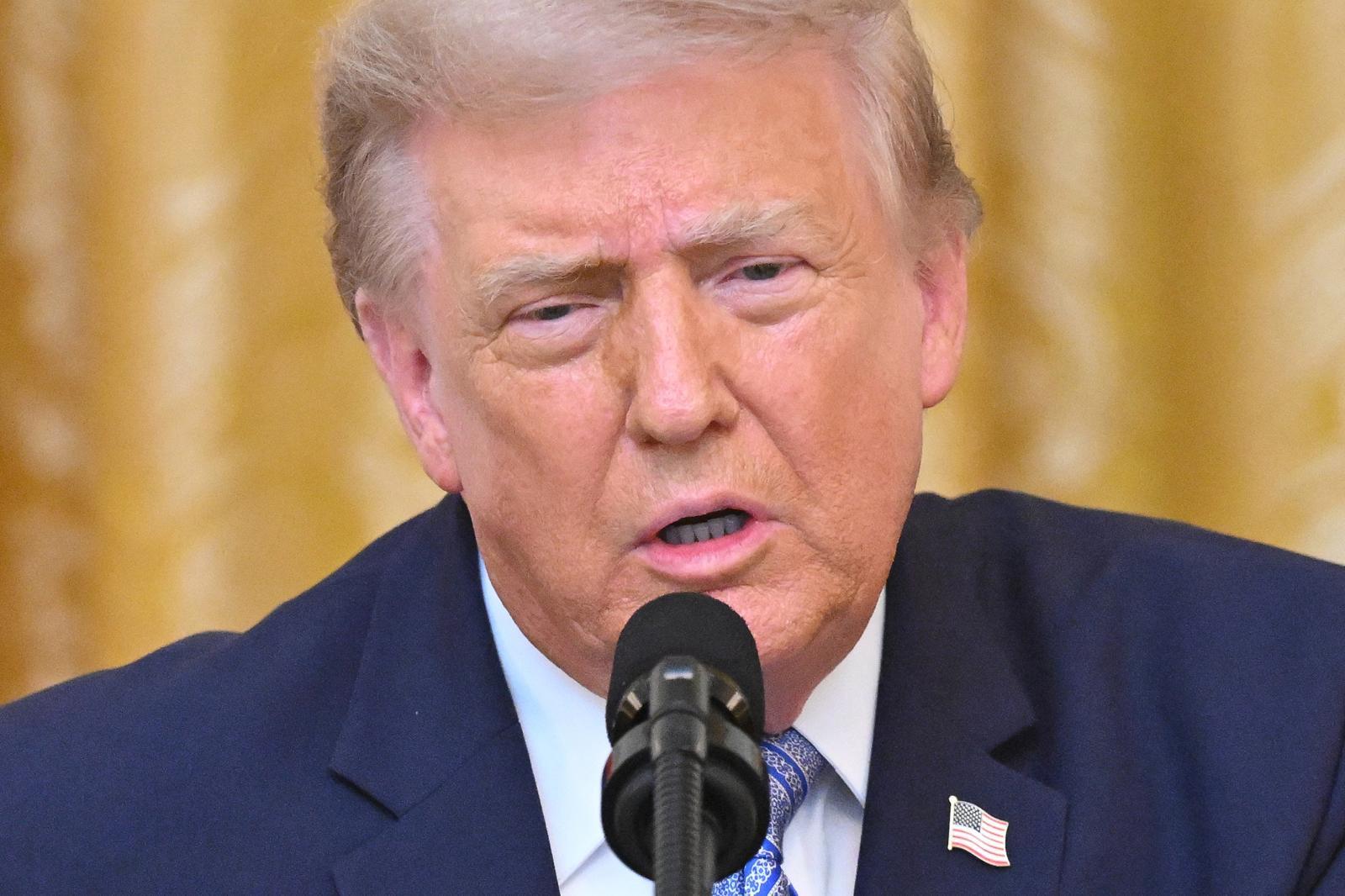
Trump hints at imminent deal with Iran on Hormuz, nuclear issues
Translated from Korean, summarized and contextualized by DistantNews.
At a glance
News
Sources not specified
Ongoing story
- U.S. President Trump announced negotiations with Iran would resume, signaling a potential agreement on reopening the Strait of Hormuz and denuclearization.
- The announcement follows a period of heightened tensions and reports of imminent U.S. military strikes against Iran.
- Despite optimism, significant differences remain between the U.S. and Iran on key issues, and past U.S. policy shifts raise skepticism about a lasting resolution.
U.S. President Donald Trump has confirmed that negotiations with Iran will resume, suggesting a potential breakthrough on critical issues including the reopening of the Strait of Hormuz and Iran's nuclear program. Trump stated that talks would commence on Monday afternoon, expressing hope that an agreement could prevent further loss of life and destruction.
We are going to start negotiations, Monday afternoon.
The announcement comes after a period of escalating tensions, with reports indicating the U.S. was prepared for major strikes against Iranian energy facilities. Trump mentioned that Saudi Arabia, the UAE, Qatar, and Iran had requested a hold on military action, believing negotiations were possible. He expressed confidence that an agreement would be reached regarding the Strait of Hormuz, followed by one on Iran's nuclear program.
This shift towards diplomacy is expected to de-escalate the immediate crisis, which had brought the U.S. and Iran to the brink of conflict. The potential reopening of the Strait of Hormuz, a vital oil transport route, and progress on denuclearization could ease global oil supply concerns and stabilize international oil prices and shipping rates.
That will save a lot of lives and prevent a lot of destruction.
For Trump, securing achievements on both fronts, normalizing traffic through the Strait of Hormuz and halting Iran's nuclear development, could serve as significant diplomatic successes ahead of the November midterm elections, potentially mitigating the political burden of a prolonged conflict.
We were ready to do a major strike, but we were asked not to by Saudi Arabia and UAE and Qatar and Iran. They asked us not to.
However, skepticism remains regarding the durability of any agreement. Trump has previously signaled potential deals with Iran only to pivot to military action. Analysts note that Iran has historically shown little flexibility on its nuclear program, making substantial concessions unlikely. Critics also point to Trump's unpredictable approach to conflict, which they argue creates confusion even among American citizens regarding the war's objectives and strategy.
There will be an agreement on the Hormuz issue, and then there will be an agreement on the Iran nuclear issue.
DistantNews Editorial
Originally published by Dong-A Ilbo in Korean. Translated, summarized, and contextualized by our editorial team with added local perspective. Read our editorial standards.
More Stories
From Our Blog

What Gets Lost (and Found) When News Is Translated

The Critical Role of Diaspora Media in Global News

What Travellers Should Know About Countries with Restricted Press

A Digital Nomad's Guide to Following Local News

How the Same Story Looks Different in Different Countries
