


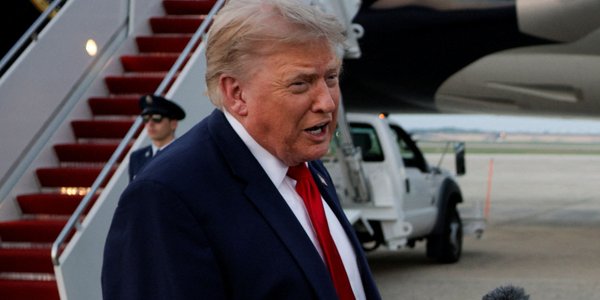
Trump imposes 50% tariffs on Canada, sparking trade war fears
Translated from Polish, summarized and contextualized by DistantNews.
At a glance
News
Named sources
New plan
- The U.S. has imposed 50% tariffs on various Canadian goods, including wine, hockey sticks, and cement, citing discriminatory trade practices.
- These tariffs, enacted under Section 338 of the 1930 Tariff Act, are set to take effect in 30 days.
- Canada's Prime Minister stated readiness for talks but vowed to protect the national economy, calling the U.S. tariffs a response to earlier American actions.
The United States has escalated trade tensions with Canada by imposing significant tariffs on a range of Canadian products. President Donald Trump signed three proclamations on July 20, levying 50% duties on imports from Canada under Section 338 of the Tariff Act of 1930. This provision allows for such tariffs if a country is found to discriminate against U.S. goods, without requiring congressional approval.
The U.S. administration justified the new tariffs as a "response to the discriminatory treatment of American products by Canada." The affected goods span various sectors, including wine, hockey sticks, and cement. The White House stated that the tariffs aim to "ensure a level playing field for key American export products such as automobiles, alcohol, and dairy products." CNN warned that these measures could ignite a serious trade war with the United States' second-largest trading partner.
To, co administracja USA określiła mianem „dyskryminacji amerykańskich towarów” przez władze w Ottawie, i czym uzasadniono wprowadzenie nowych taryf, to tylko odpowiedź Kanady na wcześniejsze działania USA.
Canadian Prime Minister Justin Trudeau reacted by stating his government's readiness for discussions but firmly committed to protecting the nation's economy. He characterized the U.S. tariffs as a reaction to prior American trade actions, specifically mentioning U.S. tariffs that "directly violate CUSMA," the trade agreement replacing NAFTA, particularly in the automotive sector. Trudeau asserted that Canada had exercised its right to impose reciprocal tariffs.
Trudeau also highlighted that Canada has presented comprehensive proposals to resolve the dispute and modernize CUSMA, expressing willingness to intensify these discussions. He stressed Canada's support for free and fair trade, evidenced by over 20 new economic agreements. The Prime Minister added that the dispute has increased living costs, especially in the U.S., and assured that Canada would take necessary measures to strengthen its domestic economy and support its citizens.
To Waszyngton najpierw nałożył cła „bezpośrednio naruszające CUSMA (chodzi o umowę o wolnym handlu między Kanadą, Stanami Zjednoczonymi i Meksykiem, która zastąpiła porozumienie NAFTA – red.)”, w tym na sektor motoryzacyjny.
DistantNews Editorial
Originally published by Rzeczpospolita in Polish. Translated, summarized, and contextualized by our editorial team with added local perspective. Read our editorial standards.
More Stories



From Our Blog

What Gets Lost (and Found) When News Is Translated

The Critical Role of Diaspora Media in Global News

What Travellers Should Know About Countries with Restricted Press

A Digital Nomad's Guide to Following Local News

How the Same Story Looks Different in Different Countries
