

Trump invokes old law for 50% tariff on Canadian goods, bypassing CUSMA
Translated from English, summarized and contextualized by DistantNews.
At a glance
News
Named sources
Context piece
- U.S. President Donald Trump has invoked a nearly century-old trade statute, Section 338 of the Tariff Act of 1930, to impose a 50% tariff on many Canadian goods.
- The tariffs target Canada's retaliatory auto tariffs, provincial alcohol boycotts, and dairy supply management system.
- Experts are uncertain how these tariffs can bypass the Canada-U.S.-Mexico Agreement (CUSMA), as the statute has never been used for tariffs before.
U.S. President Donald Trump has initiated a new tariff threat against Canada, leveraging Section 338 of the U.S. Tariff Act of 1930, a trade statute nearly a century old that has never previously been used to impose tariffs. This move means even goods covered under the Canada-U.S.-Mexico Agreement (CUSMA) are not exempt.
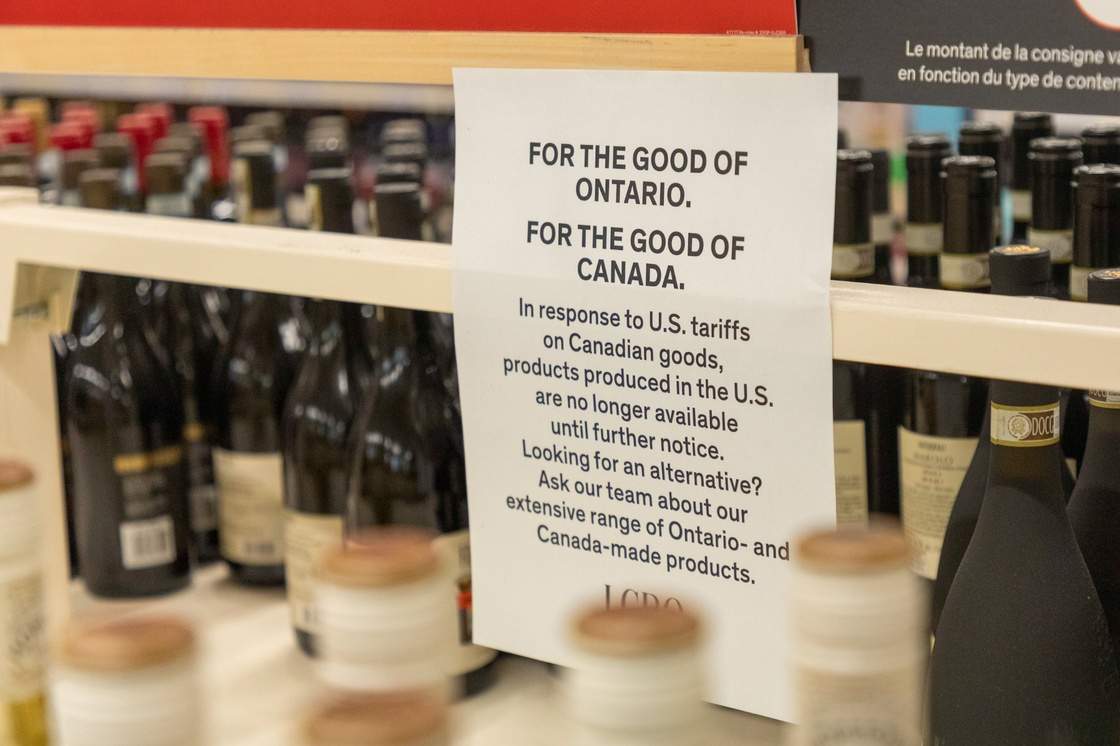
Trump signed three executive orders to impose a 50 percent tariff on numerous Canadian goods. The White House stated these tariffs are a response to Canada's alleged "discrimination" against U.S. commerce. Specific targets include Canada's retaliatory tariffs on U.S. autos, provincial and territorial boycotts of American alcohol, and the long-standing supply management system for its dairy industry, which restricts foreign imports.
At this point, your guess is as good as mine as to how exactly they can bypass CUSMA.
The tariffs are set to take effect 30 days after the orders were signed. Notably, the White House has clarified that the tariffs "apply to all covered goods regardless of whether a good originates under" CUSMA. This assertion has left economic experts puzzled, as they are currently unable to explain how these tariffs can bypass the existing free trade agreement. Many anticipate that the legality of this action will likely be decided in the courts.
The reality is that nobody knows, because it’s just never been used.
"At this point, your guess is as good as mine as to how exactly they can bypass CUSMA," said Moshe Lander, an economics professor at Concordia University. "The reality is that nobody knows, because it’s just never been used."
The statute in question, the Tariff Act of 1930, enacted the Smoot-Hawley tariffs. Historically, it was perhaps most famously referenced in the 1986 film "Ferris Bueller's Day Off." Section 338 grants the president the authority to determine, as a matter of fact, if a country's trade policies discriminate against the U.S. If such discrimination is found and deemed to be in the public interest, the president can issue a proclamation to impose new or additional tariffs, not exceeding 50 percent ad valorem, to offset the burden or disadvantage.
Whenever the President shall find as a fact that any foreign country places any burden or disadvantage upon the commerce of the United States by any of the unequal impositions or discriminations aforesaid, he shall, when he finds that the public interest will be served thereby, by proclamation specify and declare such new or additional rate or rates of duty as he shall determine will offset such burden or disadvantage, not to exceed 50 per centum ad valorem or its equivalent, on any products of, or on articles imported.
DistantNews Editorial
Originally published by Global News in English. Translated, summarized, and contextualized by our editorial team with added local perspective. Read our editorial standards.
More Stories


From Our Blog

What Gets Lost (and Found) When News Is Translated

The Critical Role of Diaspora Media in Global News

What Travellers Should Know About Countries with Restricted Press

A Digital Nomad's Guide to Following Local News

How the Same Story Looks Different in Different Countries
