

Trump Needs Iran War to End, But Tehran Won't Yield: Who Benefits from the Conflict?
Translated from Romanian, summarized and contextualized by DistantNews.
At a glance
News
Sources not specified
Context piece
- The US and Iran signal a desire to avoid open conflict, but regional tensions remain high, complicating peace talks.
- Israel's actions, including bombing Beirut suburbs, are narrowing President Trump's diplomatic options and complicating US-Iran negotiations.
- The Strait of Hormuz remains blocked, impacting global oil supply and creating a strategic dilemma for Trump, who faces domestic pressure against war and sanctions relief.
Despite signals from Washington and Tehran that they wish to avoid a return to open conflict, tensions in the Middle East remain alarmingly high. While temporary ceasefires have been in place, constant exchanges of fire have not completely halted negotiations, which are being mediated by Pakistan and Qatar, making peace increasingly difficult to achieve.
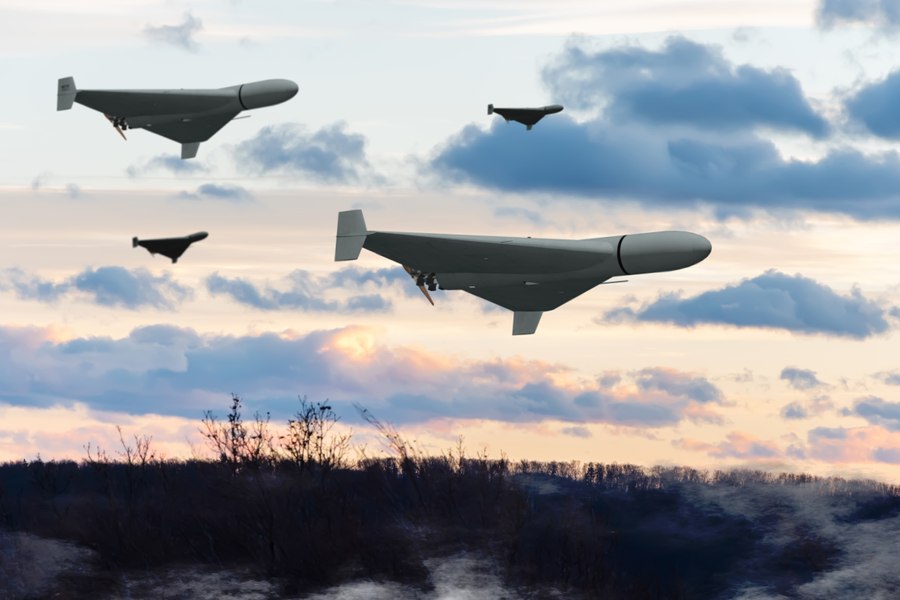
The United States maintains a significant naval and air presence near Iran, a show of force intended to compel concessions from Tehran. Meanwhile, the Islamic Republic is using this respite to reorganize its forces and repair damage from American-Israeli strikes, clearly signaling its resistance is intact. Should escalation occur, American bases and critical infrastructure in the Gulf states are viable targets for Tehran, according to BBC reports.
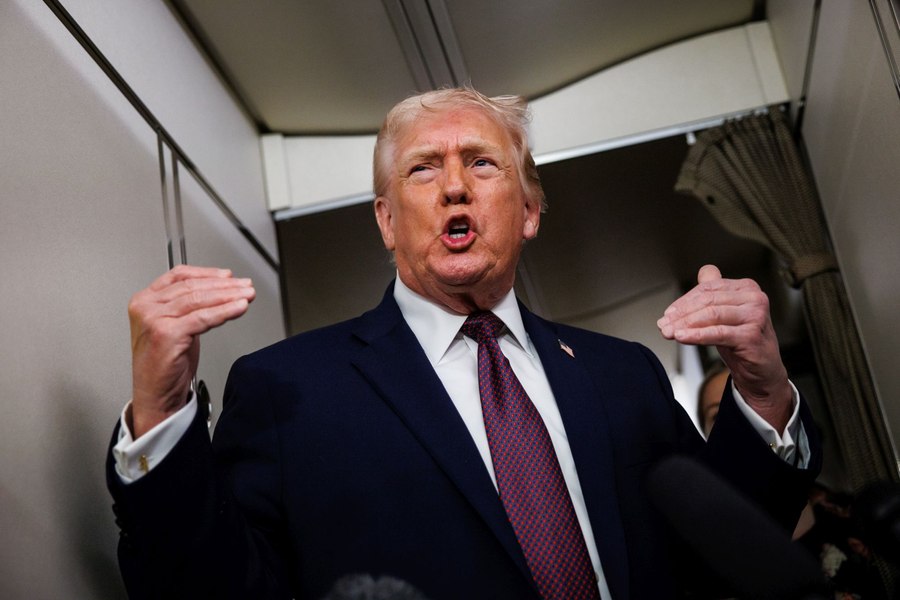
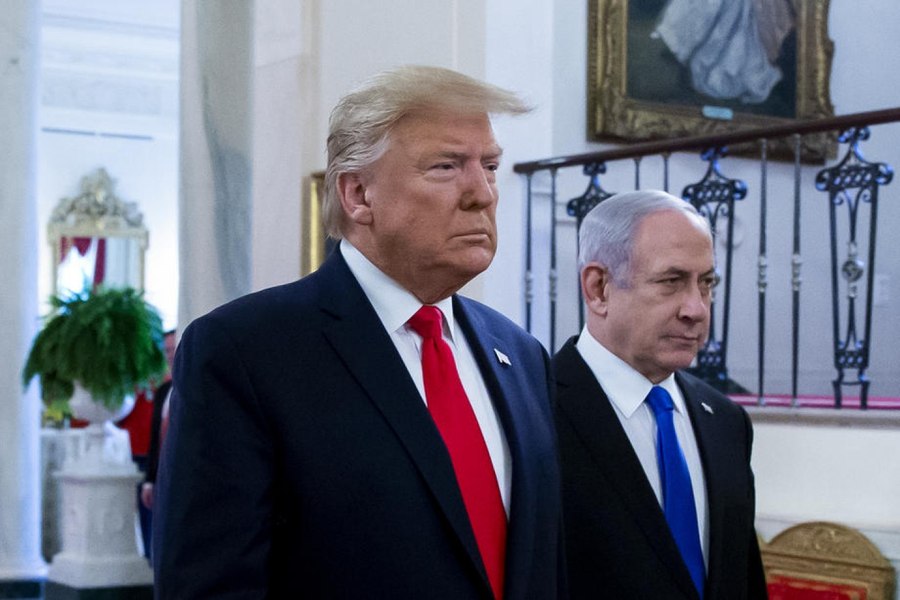
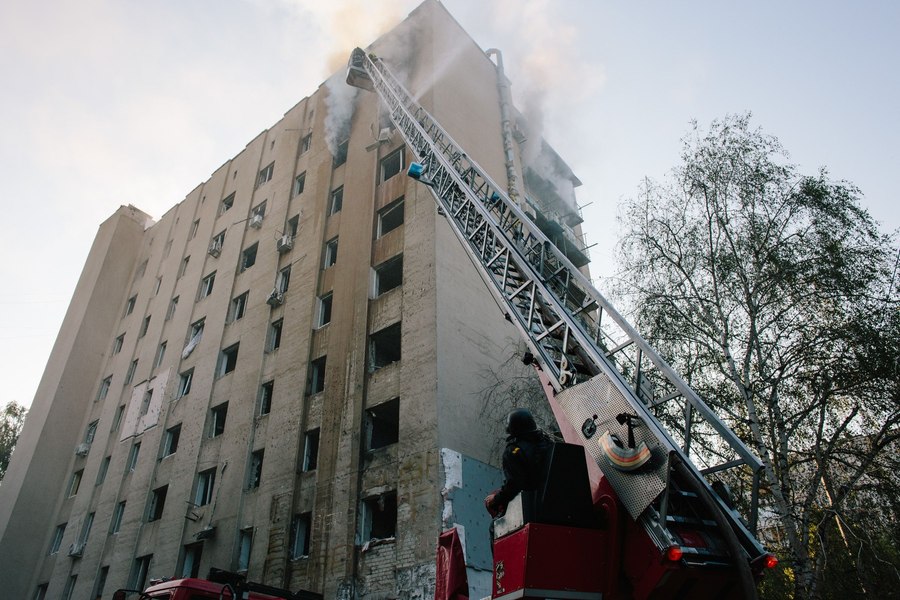
Israel's recent actions, particularly Prime Minister Benjamin Netanyahu's announcement of renewed bombings in Beirut, significantly narrow President Donald Trump's room for diplomatic maneuver. For Netanyahu, the failure of US-Iran negotiations is not a concern; the Israeli leader has consistently viewed any agreement with Tehran skeptically, deeming it a dangerous concession. Iran, in turn, continues to support Hezbollah and conditions any broader agreement with the US on a definitive halt to Israeli offensives.
The major sticking point in negotiations remains the reopening of the Strait of Hormuz, which Iran blocked following attacks on February 28. Although Saudi Arabia and the United Arab Emirates are rerouting some oil through alternative pipelines, the blockade is suffocating the global economy, cutting off approximately 20% of the world's oil and gas supply. Trump faces a strategic deadlock: war with Iran is deeply unpopular in the US, and global oil prices are directly affected by the crisis. However, reopening the strait would require lifting sanctions or unblocking Iranian assets, measures strongly criticized by hardliners within his own Republican Party. Trump bristles at any comparison to the 2015 Iran nuclear deal, which he vehemently denounced. Yet, the reality on the ground suggests that initial assessments by Washington and Tel Aviv, which anticipated a swift aerial victory leading to the regime's collapse, were profoundly mistaken. Tehran is fighting for its ideological survival and will not yield solely to the pressure of bombs.
DistantNews Editorial
Originally published by Adevărul in Romanian. Translated, summarized, and contextualized by our editorial team with added local perspective. Read our editorial standards.
More Stories

From Our Blog

What Gets Lost (and Found) When News Is Translated

The Critical Role of Diaspora Media in Global News

What Travellers Should Know About Countries with Restricted Press

A Digital Nomad's Guide to Following Local News

How the Same Story Looks Different in Different Countries
