

Trump's Iran Venture: The Dawn of American Superpower Decline?
Translated from Romanian, summarized and contextualized by DistantNews.
At a glance
Analysis
Named sources
Context piece
- The article analyzes Donald Trump's 2025 Iran excursion as a potential turning point in American superpower decline.
- It draws parallels to Lyndon B. Johnson's justification for the Vietnam War, highlighting a recurring pattern of US leaders engaging in conflicts due to overconfidence in military might.
- While the domestic impact is less severe than Vietnam, the international geopolitical consequences of the Iran conflict could be more profound, signaling a systemic collapse for the US.
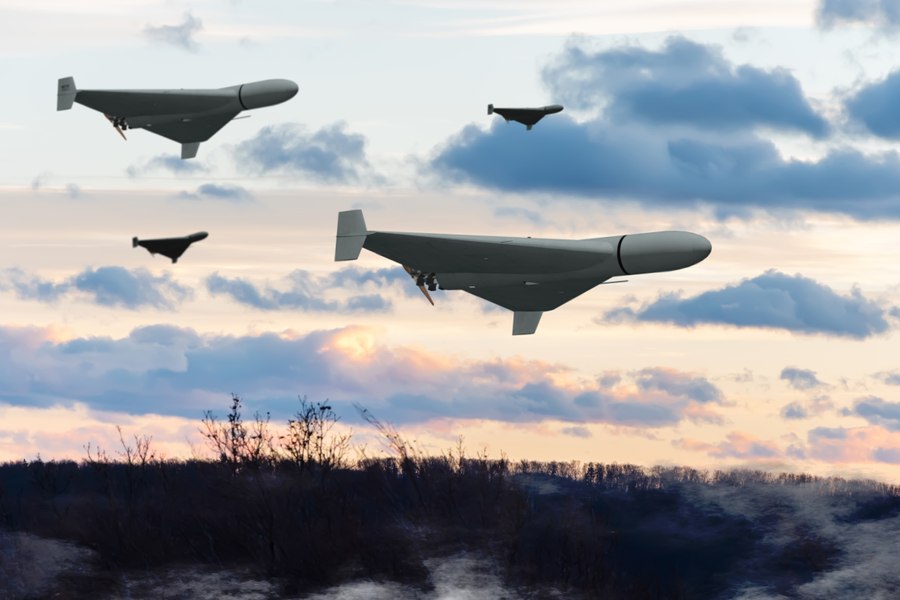
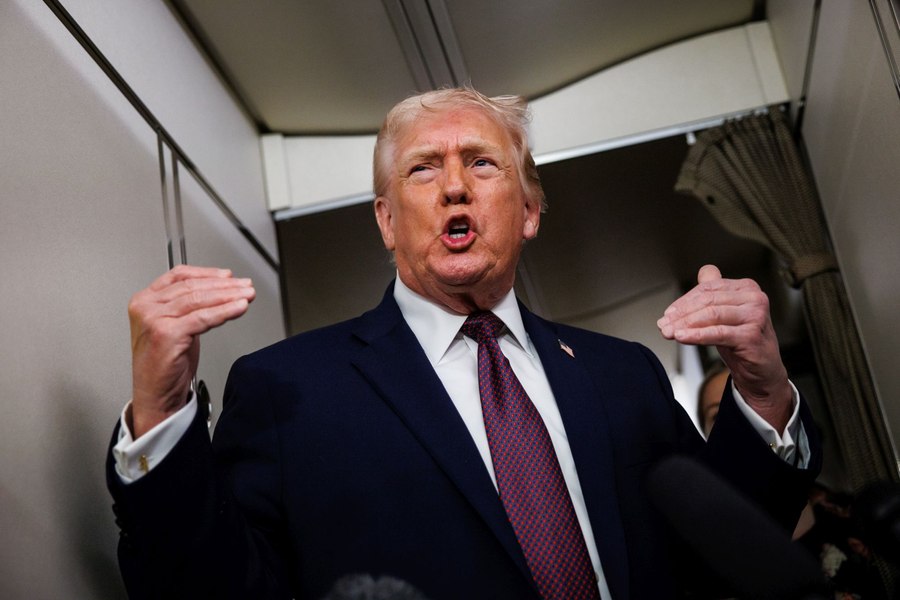
Donald Trump's brief military engagement in Iran in 2025, perceived as a failure, may mark a significant moment in the decline of American global dominance. The article draws a parallel to President Lyndon B. Johnson's justification for the Vietnam War, where the U.S. aimed to let "every country shape its own destiny," yet became mired in a conflict that drained its resources and prestige.
Historically, U.S. presidents, often overestimating their military power, have been drawn into asymmetric conflicts against underestimated adversaries. Trump, who campaigned against "endless wars," appeared poised to avoid such pitfalls. However, his "little excursion into Iran," as described by circulating peace deal drafts, is widely seen as a strategic misstep, characterized by confused objectives and poor planning, according to The Guardian.
the weaknesses of man are such that force must often precede reason
While the Iran conflict's scale and human cost do not compare to the Vietnam War's devastating toll of 58,220 American lives, its geopolitical repercussions could be far more significant. Unlike the limited domino effect following the fall of Saigon, Trump's chosen war in the Middle East might signal a broader systemic collapse for the U.S. on multiple fronts. This could force the U.S. to confront not only a lack of effective battle plans but also the absence of a grand strategy suited for today's interconnected world.
Fredrik Logevall, a Harvard University historian, suggests that the deep-seated cynicism, resentment, and distrust in institutions that fuel American political polarization have roots in the Vietnam era. Trump's rise, he argues, is a byproduct of this environment. Domestically, the Iran crisis's consequences, such as energy-induced inflation, may hurt an already unpopular administration in the upcoming November midterms, but they are unlikely to tear society apart as Vietnam did. Internationally, however, the shockwaves from the Iran conflict could prove more enduring than those from 1975.
Americans have gone from naivete to a cynicism that threatens democracy
DistantNews Editorial
Originally published by Adevărul in Romanian. Translated, summarized, and contextualized by our editorial team with added local perspective. Read our editorial standards.
More Stories


From Our Blog

What Gets Lost (and Found) When News Is Translated

The Critical Role of Diaspora Media in Global News

What Travellers Should Know About Countries with Restricted Press

A Digital Nomad's Guide to Following Local News

How the Same Story Looks Different in Different Countries
