


Trump Orders Cut to S.Korea Drills, Citing Kim Jong Un Ties; Seoul Criticizes 'Passing Over'
Translated from Korean and summarized by DistantNews. Read the original for the full story.
At a glance
News
Named sources
Ongoing story
- U.S. President Donald Trump ordered a significant reduction in joint military drills with South Korea, citing his good relationship with North Korean leader Kim Jong Un.
- The move, announced just before the start of the 'Ulchi Freedom Shield' exercise, has drawn criticism from South Korea's ruling party, which accused the U.S. of 'completely passing over' Seoul.
- Analysts suggest Trump's decision signals a desire to restart North Korea-U.S. dialogue, potentially as a tactic ahead of the U.S. midterm elections, with the key question being whether Kim Jong Un will respond.
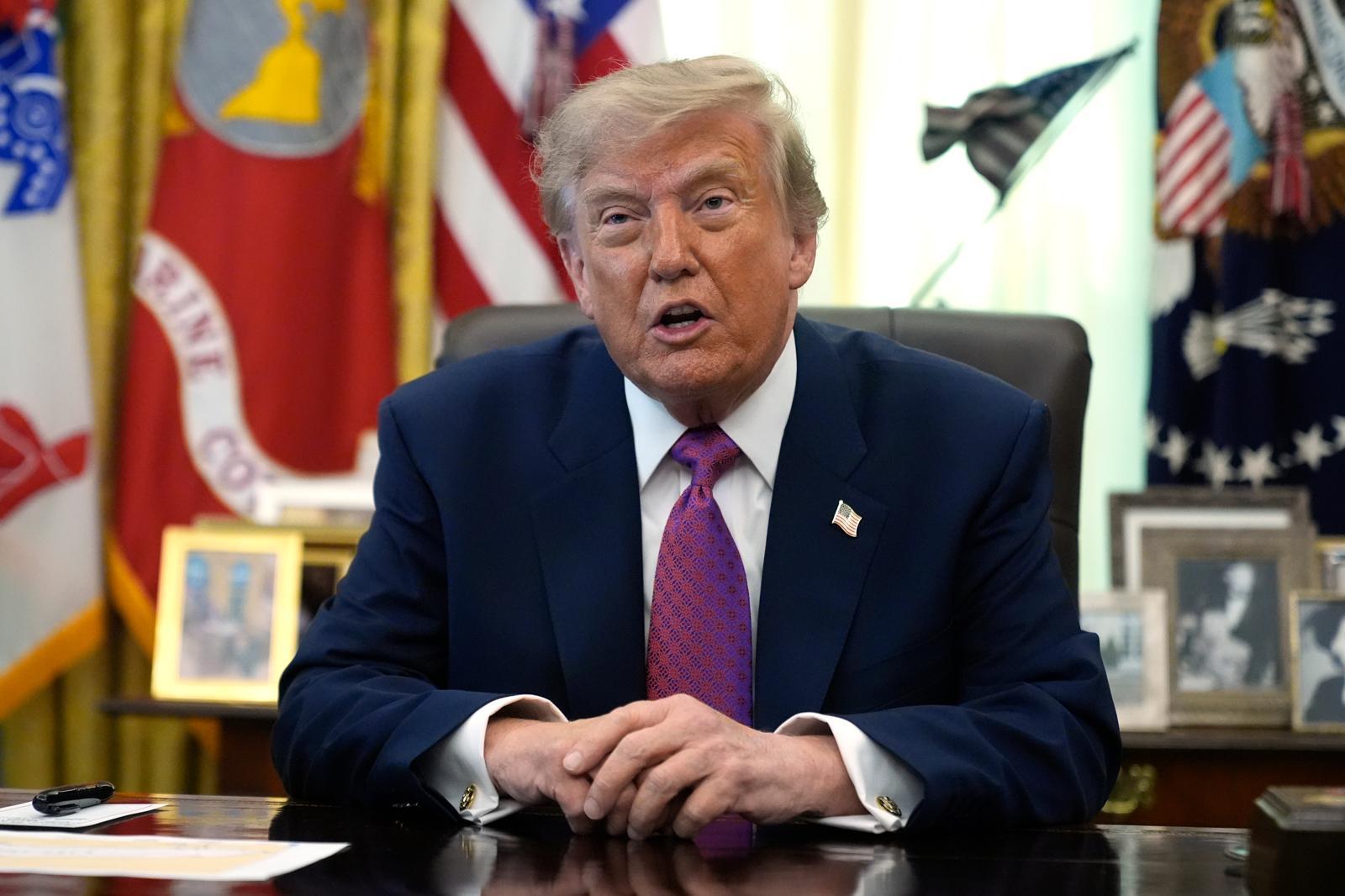
In a move that has stirred the geopolitical landscape of the Korean Peninsula, U.S. President Donald Trump ordered a significant scaling back of joint military drills with South Korea just prior to the commencement of the 'Ulchi Freedom Shield' (UFS) exercise. Trump cited his "very good relationship" with North Korean leader Kim Jong Un and North Korea's "respectful attitude" during his presidency as reasons for the directive to Defense Secretary Mattis.
I have a very good relationship with Kim Jong Un. He respects me, and I respect him. And sometimes in life, you have to do that.
The timing of this unilateral announcement, made on the very day the UFG exercise was set to begin, has led to sharp criticism within South Korea. Members of the ruling People Power Party accused the United States of "completely passing over" Seoul in its decision-making process. In response, a Blue House official stated that South Korea and the U.S. have maintained close coordination regarding joint exercises and defense readiness. The official expressed hope that the friendly relationship between the U.S. and North Korea would lead to meaningful dialogue, advancing peace and stability on the peninsula, and affirmed Seoul's commitment to diplomatic efforts as a "pacemaker."
However, the actual extent to which the U.S.-South Korea drills will be adjusted remains uncertain. A senior ruling party official suggested that significant changes might be difficult given the proximity to the exercise's start. Trump's specific action of reducing drills, beyond merely highlighting his relationship with Kim Jong Un, is widely interpreted as a clear signal of his desire to resume North Korea-U.S. dialogue. This move is also seen by some as a potential strategic pivot to focus on North Korea relations amidst the ongoing U.S.-Iran conflict and the approaching November midterm elections.
South Korea and the U.S. have maintained close coordination regarding joint exercises and defense readiness, and will continue to do so regarding specific details.
The crucial question now is whether Kim Jong Un will reciprocate. Experts believe that North Korea might be receptive to dialogue if it does not involve denuclearization discussions. Hong Min, a senior research fellow at the Korea Institute for National Unification, noted that Trump's emphasis on reducing joint drills reflects his strong will to restart North Korea-U.S. talks. He added that if concrete actions like drill reductions follow, North Korea could potentially accept, but the dialogue would likely focus on fostering camaraderie with Trump rather than denuclearization.
We hope that the friendly relationship between the U.S. and North Korea will lead to meaningful dialogue, advancing peace and stability on the peninsula.
This development also occurs amid intensified diplomatic maneuvering involving South Korea, the U.S., and China. President Moon Jae-in's recent proposal for inter-Korean talks on ending the war, Trump's drill reduction card, and the anticipated visit of Chinese Foreign Minister Wang Yi to Seoul this week all point to a complex diplomatic period. Further high-level meetings are scheduled, including President Xi Jinping's visit to the U.S., the APEC summit in China, and the G20 summit in the U.S., suggesting a series of potential diplomatic engagements between the key players.
The reduction of U.S.-South Korea joint drills is seen as a clear signal of President Trump's intention to focus on restarting North Korea-U.S. dialogue.
About this summary
Originally published by Hankyoreh in Korean. Translated, summarized, and contextualized automatically by DistantNews, with a note on how the source frames the story. Not individually reviewed before publishing. How this works.
More Stories


From Our Blog

What Gets Lost (and Found) When News Is Translated

The Critical Role of Diaspora Media in Global News

What Travellers Should Know About Countries with Restricted Press

A Digital Nomad's Guide to Following Local News

How the Same Story Looks Different in Different Countries
