

Trump orders new strikes on Iran, warns of 'much worse' over shipping attacks
Translated from English, summarized and contextualized by DistantNews.
At a glance
News
Named sources
Ongoing story
- U.S. President Donald Trump ordered new strikes on Iran and warned of severe consequences if attacks on shipping in the Strait of Hormuz continue.
- Iran state media reported explosions in multiple coastal locations following the U.S. Central Command's announcement of new strikes.
- The U.S. aims to degrade Iran's ability to threaten freedom of navigation in the vital oil shipping channel, while international mediators call for de-escalation.
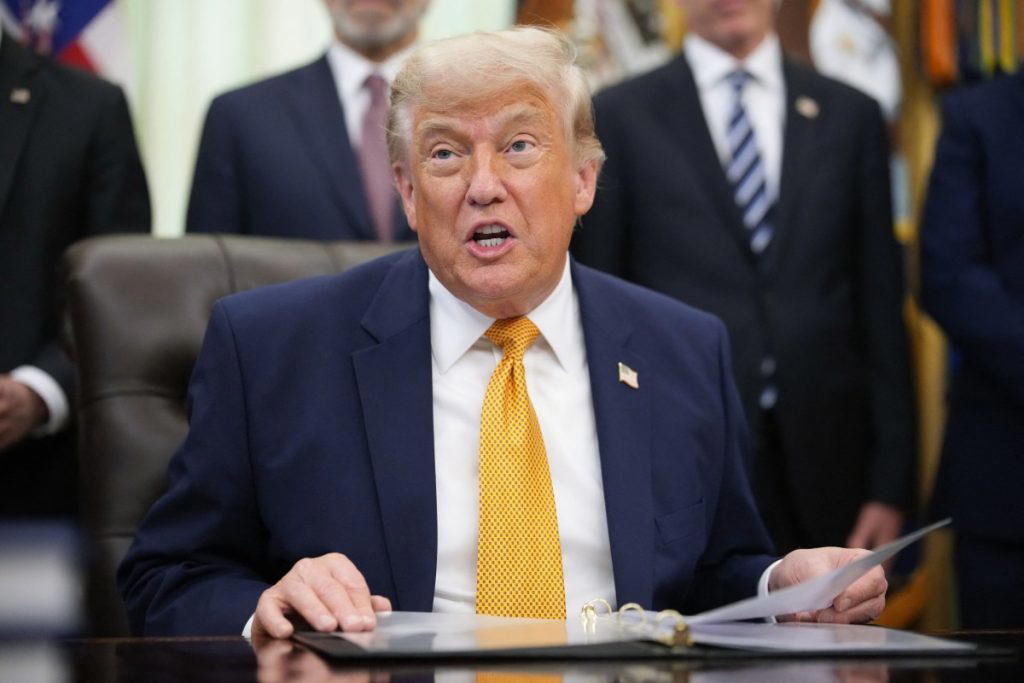
President Donald Trump has ordered new U.S. strikes against Iran, issuing a stern warning of "much worse" repercussions should Tehran persist in attacking vessels in the Strait of Hormuz, a critical chokepoint for global oil transport. The announcement came after Iran state media reported explosions across multiple locations along the country's southern coast, following confirmation from U.S. Central Command (CENTCOM) of a new wave of strikes.
This is in retribution for yesterday’s bombing of ships by Iran. If it happens again, it will get much worse!
Warplanes were reportedly heard over Kish Island, and explosions rocked the port cities of Bandar Abbas, Konarak, and Chabahar, with some areas experiencing power outages, according to Iran's official news agency IRNA. Trump stated on social media that the strikes were in retaliation for "yesterday's bombing of ships by Iran" and reiterated his threat of escalating consequences if such actions recur. Despite ordering the retaliation, Trump also indicated an expectation for the military flare-up to conclude swiftly and left the door open for further negotiations.
CENTCOM explained that the strikes were executed to diminish the capacity of Iranian forces to "threaten freedom of navigation" within the strait, which normally handles a fifth of the world's oil and liquefied natural gas. "The United States is holding Iran accountable for recent unjustified aggression against commercial shipping," CENTCOM stated on the platform X. Prior to these strikes, Trump had declared the ceasefire with Iran to be over, prompting calls for de-escalation from mediators including Pakistan and Qatar, as well as the United Nations.
The United States is holding Iran accountable for recent unjustified aggression against commercial shipping.
The Strait of Hormuz remains a volatile area in the Middle East conflict. The current escalation follows U.S.-Israeli strikes that resulted in the death of Iran's supreme leader, Ali Khamenei, who is scheduled for burial. Since these attacks, Iran has asserted control over the strait, announcing plans to charge passage fees and threatening vessels that deviate from authorized routes. Iran's military has struck at least three ships in recent days, leading to extensive U.S. strikes on Tuesday and subsequent retaliatory attacks by Iran against Gulf countries.
We’re gonna hit ’em hard tonight. They violate the agreement every day. ... anything that happens is going to be over very quickly.
UN Secretary-General António Guterres, along with Pakistan, urged "all parties to exercise maximum restraint." Iran's Foreign Minister and Qatar's prime minister reportedly discussed the situation via phone, emphasizing the importance of diplomatic solutions for regional issues. Oil prices saw an eight percent increase following Trump's earlier remarks about the ceasefire's termination.
on all parties to exercise maximum restraint
DistantNews Editorial
Originally published by Vanguard in English. Translated, summarized, and contextualized by our editorial team with added local perspective. Read our editorial standards.
More Stories


From Our Blog

How the Same Story Looks Different in Different Countries

What Gets Lost (and Found) When News Is Translated

The Critical Role of Diaspora Media in Global News

What Travellers Should Know About Countries with Restricted Press

A Digital Nomad's Guide to Following Local News
