


Trump pressures allies over Iran, making South Korea a scapegoat
Translated from Korean and summarized by DistantNews. Read the original for the full story.
At a glance
News
Named sources
Context piece
- U.S. President Donald Trump is increasing pressure on allies who have not cooperated with his Iran strategy, with South Korea becoming a recent target, according to U.S. media.
- Trump ordered a significant reduction of the annual U.S.-South Korea joint military exercise, citing his relationship with North Korean leader Kim Jong Un and training costs.
- This move is seen as part of a broader strategy to pressure allies, as the U.S. faces limitations in its hard power approach to Iran.
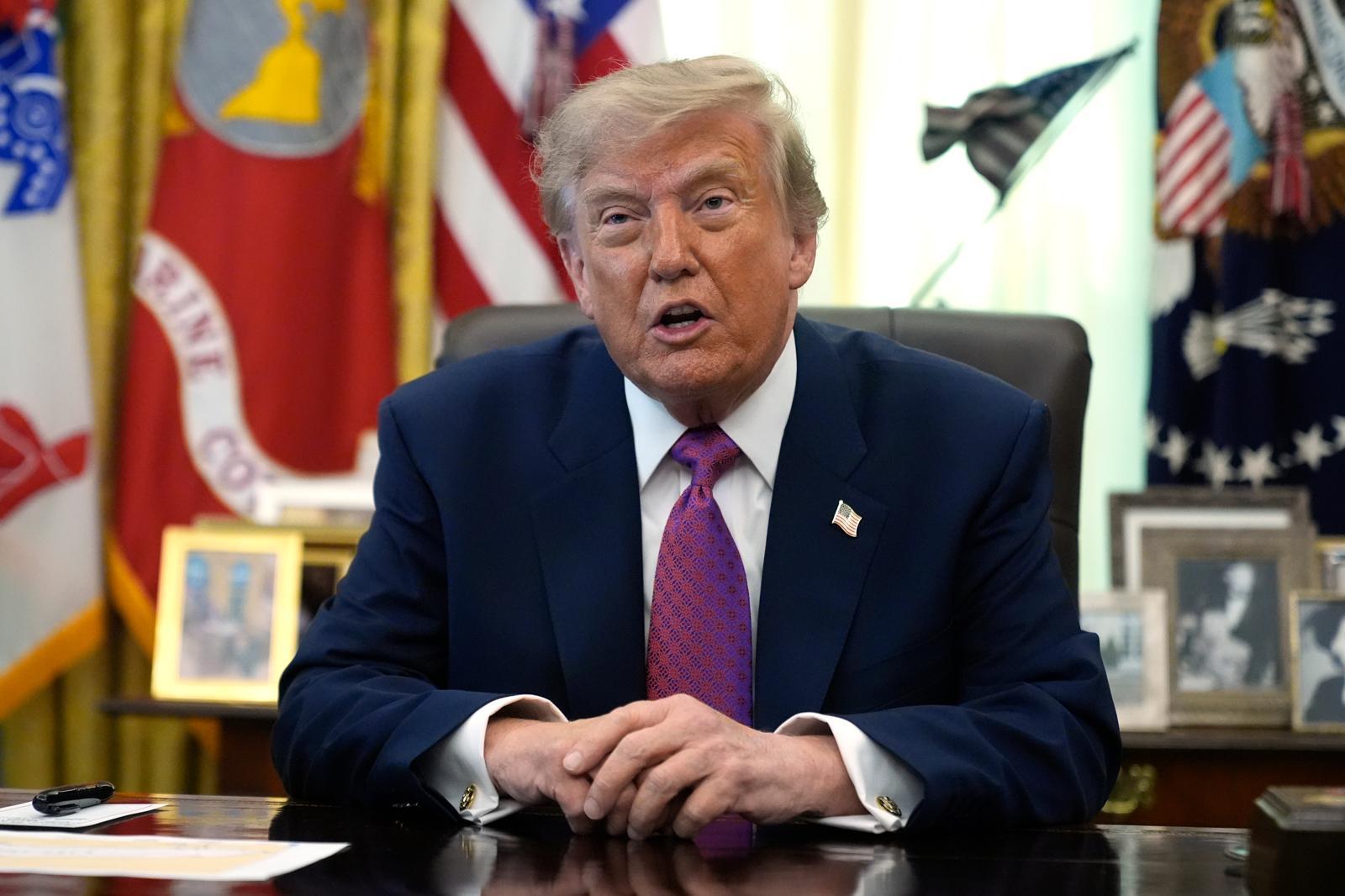
President Donald Trump's frustration with the prolonged Iran conflict is spilling over onto allies perceived as uncooperative, with South Korea now facing his ire. Axios reports that Trump's new approach to international partners is "if you confront Trump on one front, the consequences follow on others."
If you confront Trump on one front, the consequences follow on others.
After failing to subdue Iran through military and economic might for about six months, Trump is reportedly expressing dissatisfaction with allies who have not joined the fight. Axios notes that Trump has increasingly used attacks on allies and their leaders, along with long-standing security relationships, to settle personal and political scores since taking office. The Iran conflict has apparently intensified these impulses.
South Korea, previously lauded as an "exemplary ally" by then-Defense Secretary Pete Hegseth, is described by Axios as the "most recent and surprising victim" of Trump's "punitive campaign." Trump's directive to "significantly reduce" the joint military exercise "Ulchi Freedom Shield" was justified by his "very good relationship" with North Korean leader Kim Jong Un and the cost of the drills. He also linked this to South Korea's refusal to join U.S. efforts for Iran's "denuclearization."
most recent and surprising victim
This pressure extends beyond South Korea. Bloomberg reports that the U.S. Department of Defense has sent "loyalty surveys" to NATO allies, inquiring about their support for the Trump administration's foreign policy, their willingness to allow U.S. military bases, and their purchase of U.S. weapons. Germany faced a potential withdrawal of 5,000 U.S. troops after Chancellor Friedrich Merz publicly criticized Trump's Iran strategy, and Spain was threatened with trade sanctions and NATO expulsion for denying access to bases for strikes against Iran. Even Oman, a mediator in the Strait of Hormuz, has reportedly faced threats.
significantly reduce
Concerns are mounting over the impact of reduced U.S.-South Korea joint exercises on military readiness. Dan Fried, a former Assistant Secretary of State for European Affairs, told AP that the decision to scale back the drills "finds no U.S. national interest" and "weakens South Korea and Japan, frightens Taiwan, unnerves NATO, emboldens China, not to mention North Korea."
very good relationship
About this summary
Originally published by Hankyoreh in Korean. Translated, summarized, and contextualized automatically by DistantNews, with a note on how the source frames the story. Not individually reviewed before publishing. How this works.
More Stories


From Our Blog

What Gets Lost (and Found) When News Is Translated

The Critical Role of Diaspora Media in Global News

What Travellers Should Know About Countries with Restricted Press

A Digital Nomad's Guide to Following Local News

How the Same Story Looks Different in Different Countries
