


🇰🇷
South Korea
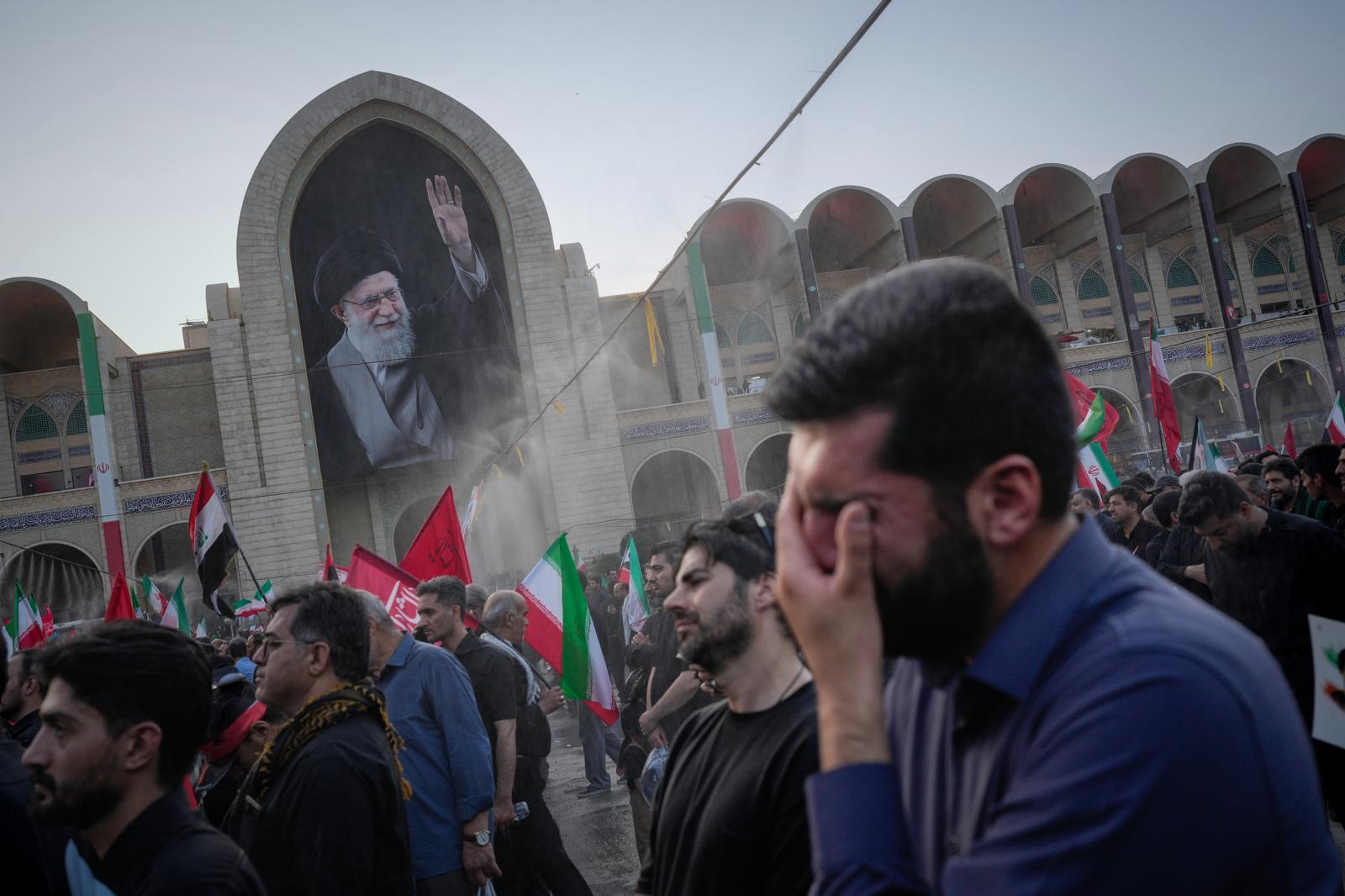
Trump Questions Sincerity of Tears at Khamenei Funeral, Suggests 'Fake Tears'
Translated from Korean, summarized and contextualized by DistantNews.
At a glance
News
Named sources
Outcome reported
- Donald Trump expressed surprise at Iranians crying at Ayatollah Khamenei's funeral, suggesting the tears might be fake.
- He noted his surprise given his belief that people disliked Khamenei, and stated the U.S. and Iran agreed to a one-week pause in attacks during the funeral period.
- Trump also commented on his strong relationship with Israeli Prime Minister Benjamin Netanyahu.
Former U.S. President Donald Trump voiced skepticism about the tears shed by Iranians at the funeral of Ayatollah Ali Khamenei, suggesting they could be insincere. Trump stated he was surprised by the display of grief, as he believed Khamenei was widely disliked.
I thought people hated Khamenei, so I was surprised to see some Iranians crying at the funeral.
"I thought people hated Khamenei, so I was surprised to see some Iranians crying at the funeral," Trump said in an interview with Axios. He indicated he was monitoring the funeral proceedings, which were scheduled to last from Sunday to Wednesday. Trump also revealed that the U.S. and Iran had agreed to a temporary halt in hostilities for a week, coinciding with the funeral period.
Trump further commented on the geopolitical situation, suggesting that Iran's leadership was concentrated, making them vulnerable. "They are all gathered in one place. If you shoot just one, you can eliminate them all. But I won't do that. Because then I would have no one to negotiate with," he claimed.
They are all gathered in one place. If you shoot just one, you can eliminate them all. But I won't do that. Because then I would have no one to negotiate with.
Additionally, Trump addressed his relationship with Israeli Prime Minister Benjamin Netanyahu, describing it as very good and asserting that Netanyahu understands who is in charge.
We maintain a very good relationship. He knows who the boss is.
DistantNews Editorial
Originally published by Dong-A Ilbo in Korean. Translated, summarized, and contextualized by our editorial team with added local perspective. Read our editorial standards.
More Stories


From Our Blog

What Gets Lost (and Found) When News Is Translated

The Critical Role of Diaspora Media in Global News

What Travellers Should Know About Countries with Restricted Press

A Digital Nomad's Guide to Following Local News

How the Same Story Looks Different in Different Countries
