

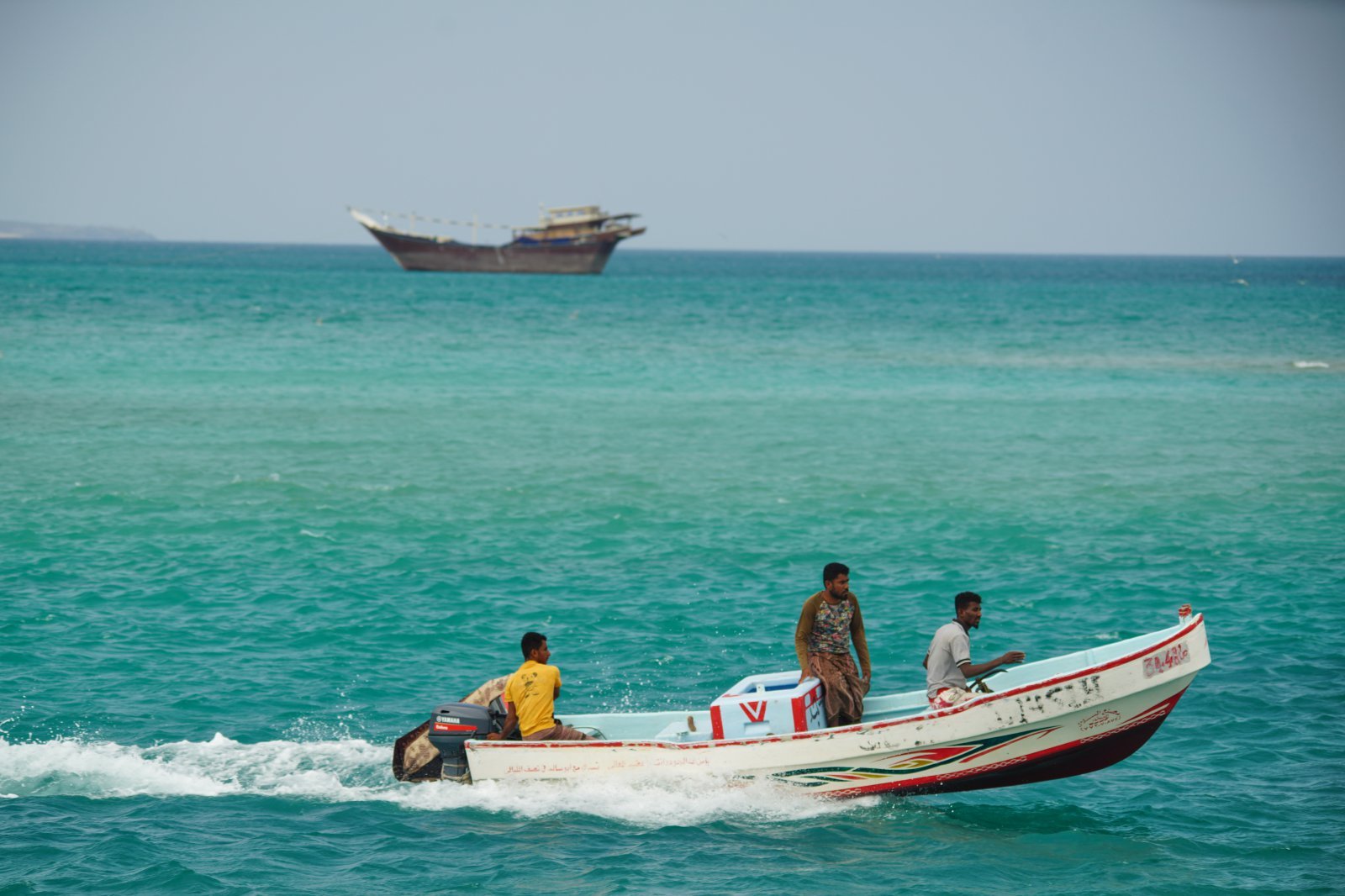

Trump's ceasefire offer to Iran rejected, tensions escalate
Translated from Korean, summarized and contextualized by DistantNews.
At a glance
News
Named sources
Ongoing story
- U.S. President Donald Trump reportedly offered Iran a ceasefire through Iraqi Prime Minister Mohammed Shia Al-Sudani, but Iran rejected the proposal.
- Iran's rejection stemmed from its unwillingness to agree to a temporary truce without resolving control over the Strait of Hormuz.
- The U.S. continues airstrikes on Iran, with Trump warning of "larger attacks" and Iran threatening to retaliate regionally if attacked.
President Donald Trump's administration has reportedly made a direct offer for a ceasefire with Iran, conveyed through Iraqi Prime Minister Mohammed Shia Al-Sudani during his recent visit to Tehran. However, Iranian officials have indicated that the proposal was rejected.
According to reports citing Iranian and Iraqi officials, Iran's refusal was based on its disinterest in a temporary agreement that did not address the issue of control over the Strait of Hormuz. While the specifics of the U.S. proposal remain undisclosed, it follows earlier discussions about a potential 10-day truce that included opening the Strait of Hormuz for negotiations on its passage and management system.
The problem is not delivering messages. The problem is the illogical, greedy, and domineering mindset of the United States.
Despite the reported ceasefire offer, the U.S. has continued its airstrikes against Iran for the 13th consecutive day. Reports suggest Trump's patience is wearing thin, with sources indicating he believes military power is the only language Iran understands and that he is in "retaliation mode." Trump himself warned of "larger attacks" against Iran and previously mentioned the possibility of bombing Iran's underground nuclear facilities.
In response to the escalating tensions and potential U.S. military action, Iran has signaled its readiness to expand the conflict. Iranian officials have stated that if Trump carries out threats against Tehran and its infrastructure, Iran would retaliate by attacking Tel Aviv and potentially requesting its allies, such as the Houthis, to blockade the Bab el-Mandeb strait in the Red Sea.
President Trump is considering a 'large-scale attack.' An attack larger than before.
DistantNews Editorial
Originally published by Hankyoreh in Korean. Translated, summarized, and contextualized by our editorial team with added local perspective. Read our editorial standards.
More Stories


From Our Blog

What Gets Lost (and Found) When News Is Translated

The Critical Role of Diaspora Media in Global News

What Travellers Should Know About Countries with Restricted Press

A Digital Nomad's Guide to Following Local News

How the Same Story Looks Different in Different Countries
