

Trump's drug strategy: 100% tariffs to move production to U.S.
Translated from Romanian, summarized and contextualized by DistantNews.
At a glance
News
Sources not specified
New plan
- Donald Trump announced a plan to impose 100% tariffs on generic drugs imported into the U.S., starting August 1, 2026.
- The measure aims to incentivize the relocation of generic drug production back to American soil.
- Tariffs will increase to 200% after one year, with the policy intended to protect U.S. citizens and penalize companies that do not invest in U.S. manufacturing.
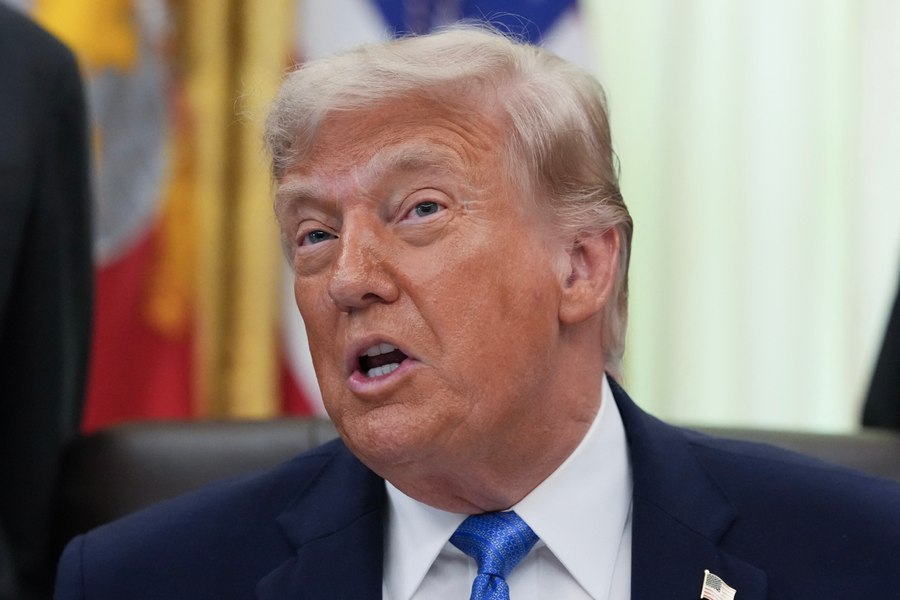
Former U.S. President Donald Trump announced Tuesday a strategy to impose significant tariffs on imported generic drugs, aiming to bring manufacturing back to the United States. Starting August 1, 2026, all generic drugs imported into the U.S. will face a 100% tariff for two years.
Following this initial period, the tariff rate will escalate to 200% for an additional year. Trump stated on Truth Social that this move is designed to penalize companies that choose not to build factories and invest in equipment within the specified timeframe.
"The objective of this policy is the protection of the citizens of the United States," Trump wrote. He clarified that the policy for patented, branded, or innovative drugs, which he described as successful, will remain unchanged. He also noted that pharmaceutical manufacturing facilities are currently being built across America at an unprecedented rate.
Starting with August 1, 2026, all generic drugs imported into the United States will continue to be subject to a 0% tariff for a period of two years. After this period, the tariff will increase to 100% for one year, and then to 200%.
A generic drug is defined as a medication created to be identical to an already marketed brand-name drug in its pharmaceutical form, safety, dosage, route of administration, quality, performance characteristics, and therapeutic indications.
This announcement follows previous actions by Trump, including a 100% tariff on patented drug products and their ingredients imposed in April, with exceptions for generics, biosimilars, and related ingredients. The former president has previously used the threat of tariffs and his "most favored nation" policy to pressure pharmaceutical companies into lowering drug prices in the U.S. This strategy has a significant impact on India, a major supplier of generic drugs to the U.S. market, while China dominates the production of active pharmaceutical ingredients.
The objective of this policy is the protection of the citizens of the United States. The policy for patented, branded, or innovative drugs, which has proven to be a success, will remain unchanged. Pharmaceutical manufacturing facilities are currently being built across America at an unprecedented level.
DistantNews Editorial
Originally published by Adevărul in Romanian. Translated, summarized, and contextualized by our editorial team with added local perspective. Read our editorial standards.
More Stories

From Our Blog

What Gets Lost (and Found) When News Is Translated

The Critical Role of Diaspora Media in Global News

What Travellers Should Know About Countries with Restricted Press

A Digital Nomad's Guide to Following Local News

How the Same Story Looks Different in Different Countries
