


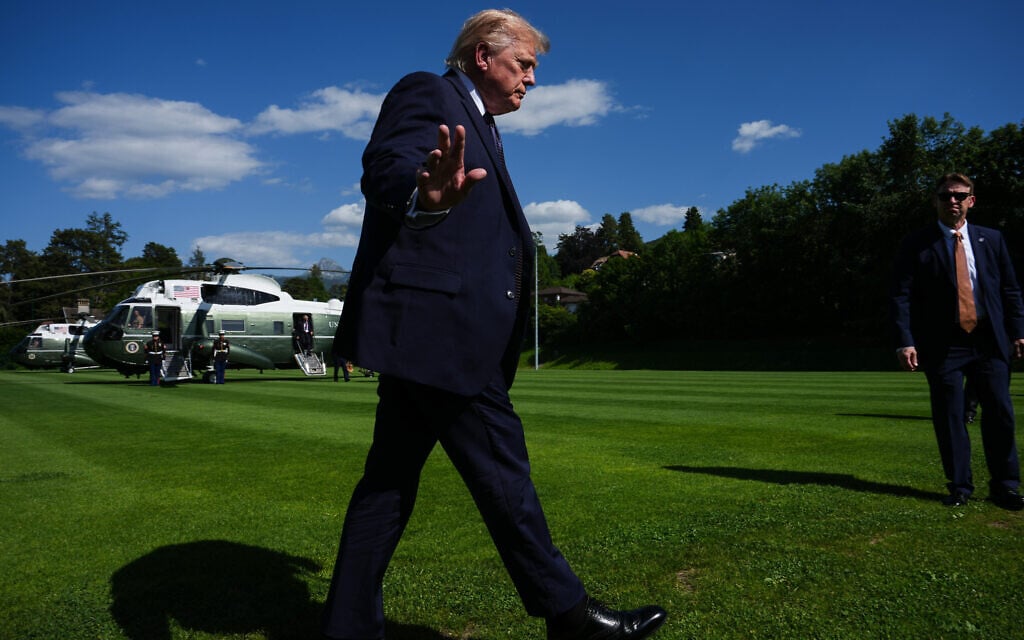
Trump’s Iran deal greeted with skepticism and scrutiny on Capitol Hill
Summarized and contextualized by DistantNews.
At a glance
News
Named sources
New plan
- Republicans in Congress are demanding more information and expressing skepticism about the US-Iran agreement announced by President Trump.
- Key details regarding compliance, enforcement, and the lifting of the naval blockade of Iranian ports remain unclear to lawmakers.
- Concerns exist about Iran's nuclear program, the release of frozen funds, and sanctions relief, with many senators awaiting thorough briefings.
Republicans on Capitol Hill are calling for greater transparency and expressing skepticism regarding the recently announced agreement between the United States and Iran. Lawmakers stated they require more information from the White House about the deal, which aims to end the war and includes provisions for lifting the US naval blockade of Iranian ports.
I just don’t know enough about it. Even the people who follow this stuff closely up here don’t know that much about it.
Senate Majority Leader John Thune indicated a lack of detailed knowledge among even those closely following such matters. "I just don’t know enough about it," Thune told reporters, highlighting that he had not been personally briefed. He raised questions about compliance and enforcement mechanisms, stating, "how are you going to enforce that?"
Similar concerns were voiced by other Republican senators. Senator Thom Tillis questioned the seriousness of a deal perceived as secret. Vice President JD Vance assured that the White House would release the agreement's text, asserting that "Iran doesn’t get a dime of money unless they perform their obligations."
If it’s a secret deal then how can I take it seriously?
Senators are seeking clarity on how the agreement addresses Iran's nuclear program, including verification processes and the fate of highly enriched uranium. While senior US officials mentioned the possibility of releasing Iran's frozen funds, sanctions relief, and a reconstruction fund for Iran contingent on meeting benchmarks, the memorandum of understanding has not been made public. Thune emphasized that the deal would be favorable if financial incentives are tied to Iran winding down its nuclear program and disposing of enriched uranium.
and what everybody will see is that Iran doesn’t get a dime of money unless they perform their obligations.
DistantNews Editorial
Originally published by Times of Israel. Summarized and contextualized by our editorial team with added local perspective. Read our editorial standards.
More Stories

From Our Blog

What Gets Lost (and Found) When News Is Translated

The Critical Role of Diaspora Media in Global News

What Travellers Should Know About Countries with Restricted Press

A Digital Nomad's Guide to Following Local News

How the Same Story Looks Different in Different Countries
