

Trump's Order Complicates Voter Lists for 2026 Elections
Translated from Spanish, summarized and contextualized by DistantNews.
At a glance
News
Sources not specified
New plan
- A US executive order by Donald Trump requires the Postal Service to withhold ballots from states that do not provide voter lists.
- This mandate, aimed at ensuring citizenship verification, has led to lawsuits from 23 states and Washington D.C., who argue it oversteps federal authority.
- Critics claim the order is a tactic to manipulate upcoming elections and gain access to confidential voter data.
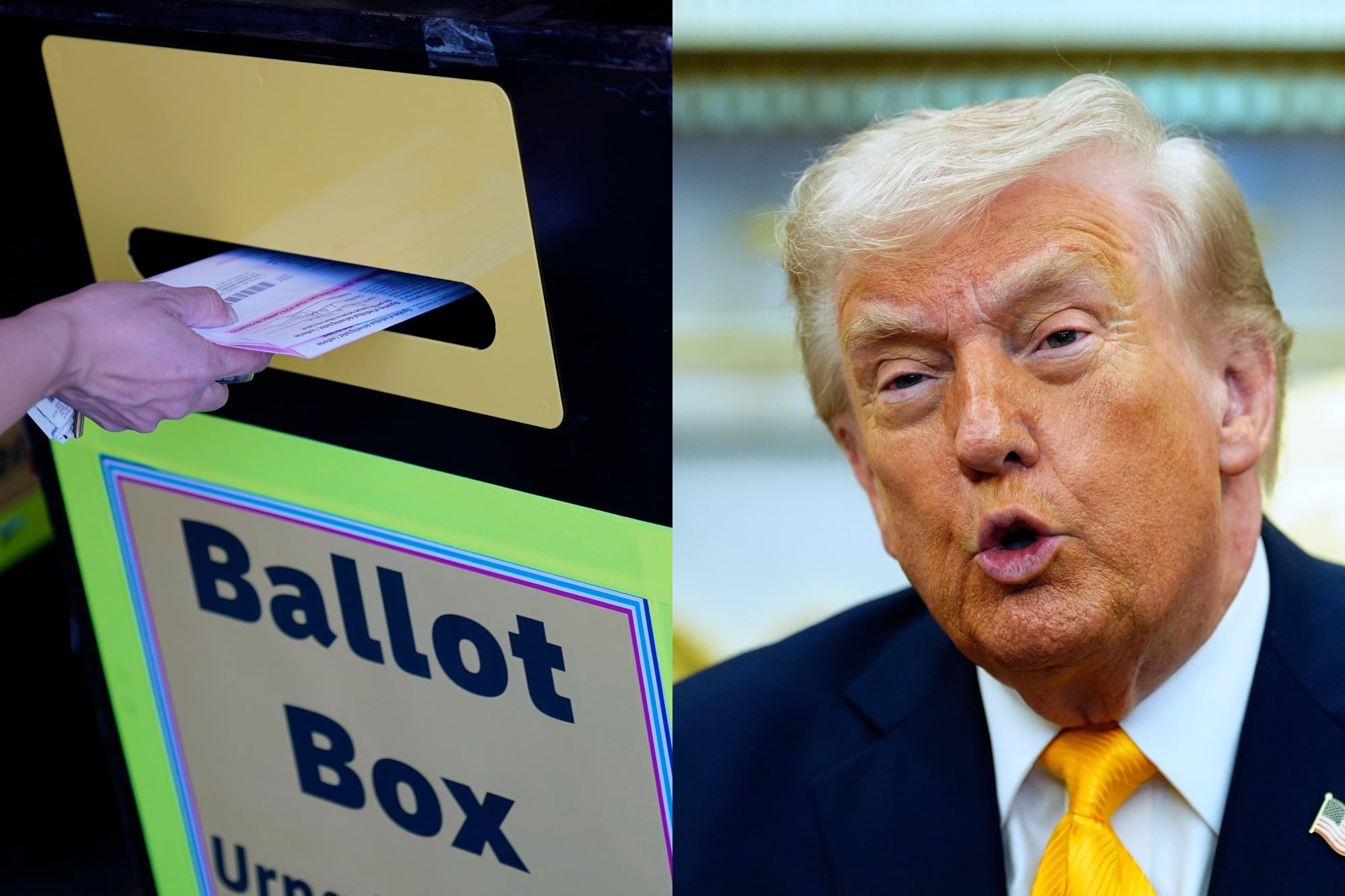
A directive signed by former U.S. President Donald Trump is creating significant hurdles for voter lists and mail-in ballots. The executive order, issued in March, mandates that the U.S. Postal Service (USPS) will not deliver ballots to states that fail to provide voter lists.
This policy, titled "Ensuring Citizenship at the Ballot Box and Election Integrity in Federal Elections," proposes new conditions for states. To comply, states would need to submit records of all voters receiving ballots through a federal portal that is still under development. The USPS is instructed to withhold ballots from any jurisdiction that does not follow this procedure. The proposal also includes technical requirements for ballot envelope design, potentially forcing some states to redesign their mail-in voting materials.
Trump is doing everything he can to manipulate the November elections in his favor.
In response, 23 states governed by Democrats, along with Washington D.C., have filed lawsuits. They contend that the U.S. Constitution grants states the authority to organize elections. Critics argue that the plan gives the federal government unprecedented control over ballot distribution, exceeding presidential powers. Senate Minority Leader Chuck Schumer stated on X that Trump is "doing everything he can to manipulate the November elections in his favor." Former USPS Board of Governors Vice Chair Anton Hajjar told CNN the measure is deceptive, asserting that while the rule claims not to regulate elections, it effectively does so. Some election officials view the requirement as a covert attempt to obtain sensitive voter information.
The proposed rule says it does not regulate elections, but in practice, that is what it is doing.
DistantNews Editorial
Originally published by La Nación in Spanish. Translated, summarized, and contextualized by our editorial team with added local perspective. Read our editorial standards.
More Stories

From Our Blog

What Gets Lost (and Found) When News Is Translated

The Critical Role of Diaspora Media in Global News

What Travellers Should Know About Countries with Restricted Press

A Digital Nomad's Guide to Following Local News

How the Same Story Looks Different in Different Countries
