

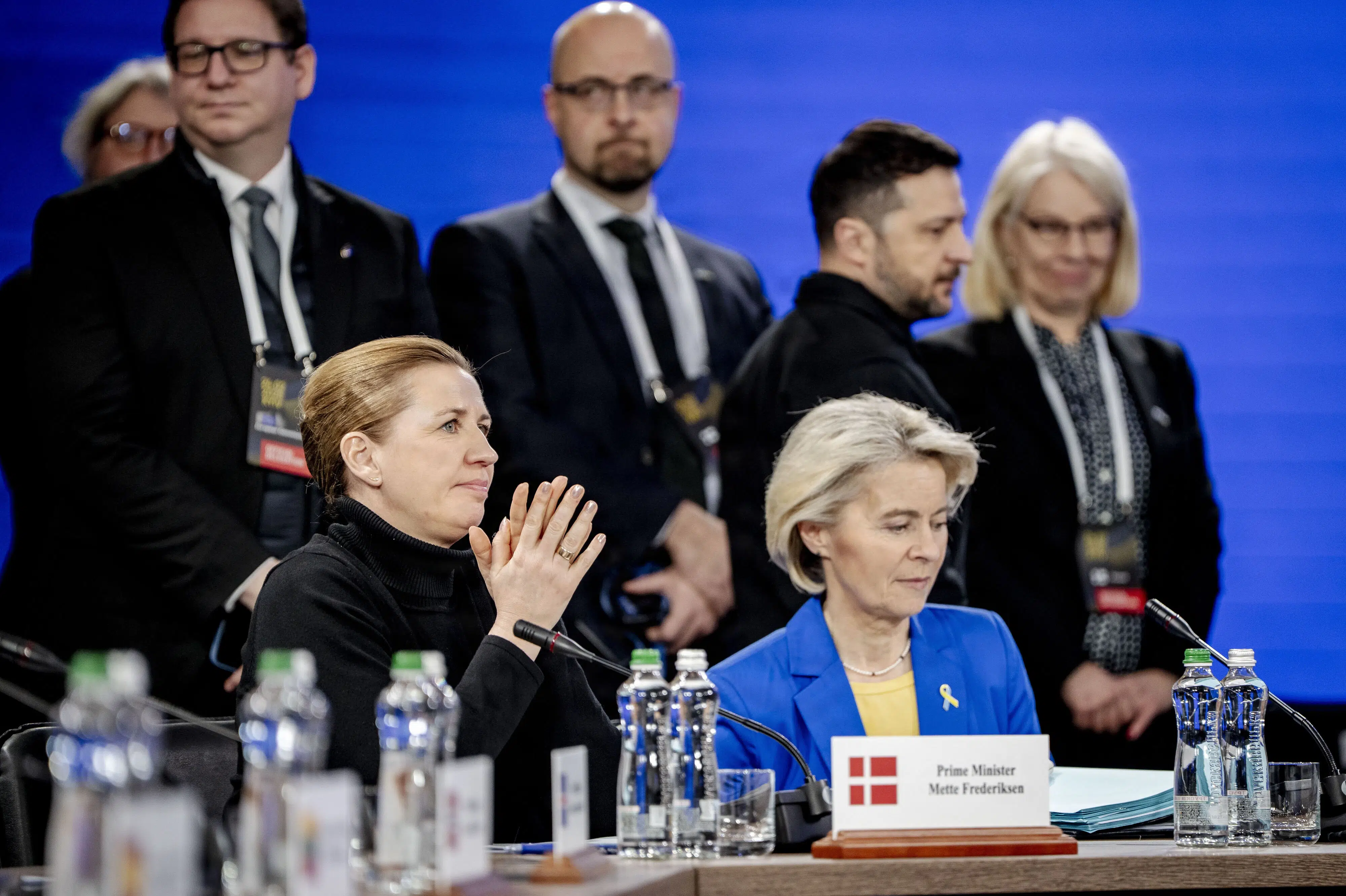

Trump's pick takes over Fed with reform promises amid economic uncertainty
Translated from Danish and summarized by DistantNews. Read the original for the full story.
At a glance
News
Named sources
Context piece
- Kevin Warsh was sworn in as the new U.S. central bank chief on Friday, promising reforms.
- Warsh takes over amid economic uncertainty due to Middle East conflict and President Trump's dissatisfaction with his predecessor.
- Economists note challenges in controlling inflation while facing pressure for interest rate cuts.
The appointment of Kevin Warsh as the new Federal Reserve chairman marks a significant shift in U.S. monetary policy, coming at a time of considerable economic turbulence. President Trump, who has been vocal in his criticism of former Chair Jerome Powell, has expressed a desire for a "reform-oriented" agenda from Warsh, aiming to steer the Fed towards what he perceives as a more growth-supportive stance. This move, however, occurs against a backdrop of rising inflation and global economic uncertainty, presenting a complex challenge for the new central banker.
I really mean this. I want Kevin to be totally independent.
Warsh's pledge to implement a "regime change" at the Fed signals a potential departure from the policies of his predecessor. Trump's public disagreements with Powell over interest rate policy have raised concerns about the central bank's independence. While Trump has publicly stated his wish for Warsh to be "totally independent," his subsequent remarks about the economy and the Fed's perceived "loss of compass" suggest continued expectations for specific policy outcomes. This dynamic highlights the delicate balance between political influence and the operational autonomy of the Federal Reserve.
Kevin understands that when the economy is booming, that is a good thing. We want to stop inflation, but we do not want to stop greatness.
Economists, such as Allan Sørensen of Dansk Industri, point to the difficult task ahead. Rising energy prices, partly due to geopolitical tensions, and signs of weakness in the labor market complicate efforts to manage inflation. The pressure from the President for rate cuts, while inflation erodes real wages, creates a challenging environment. Warsh's ability to navigate these competing demands—satisfying presidential expectations while maintaining price stability—will be closely watched, both domestically and internationally. The Danish perspective, as reflected in this report, emphasizes the economic headwinds and the potential for unpopular decisions, particularly if interest rates need to rise to combat inflation.
The high inflation means that Americans are now experiencing falling real wages. There is therefore a need to curb inflation.
About this summary
Originally published by Berlingske in Danish. Translated, summarized, and contextualized automatically by DistantNews, with a note on how the source frames the story. Not individually reviewed before publishing. How this works.
More Stories


From Our Blog

News in Translation: What Gets Lost, and How We Keep the Framing

Diaspora Media: How Communities Abroad Follow Home

Traveling Where the Press Is Not Free: How to Read the News There

The Digital Nomad's Guide to Local News

The Same Story, Different Countries: How Coverage Changes at the Border
