


Trump's Policies Unintentionally Bring India and China Closer
Translated from English and summarized by DistantNews. Read the original for the full story.
At a glance
News
Named sources
Context piece
- Unintended consequences of US President Donald Trump's economic policies have unexpectedly improved relations between China and India.
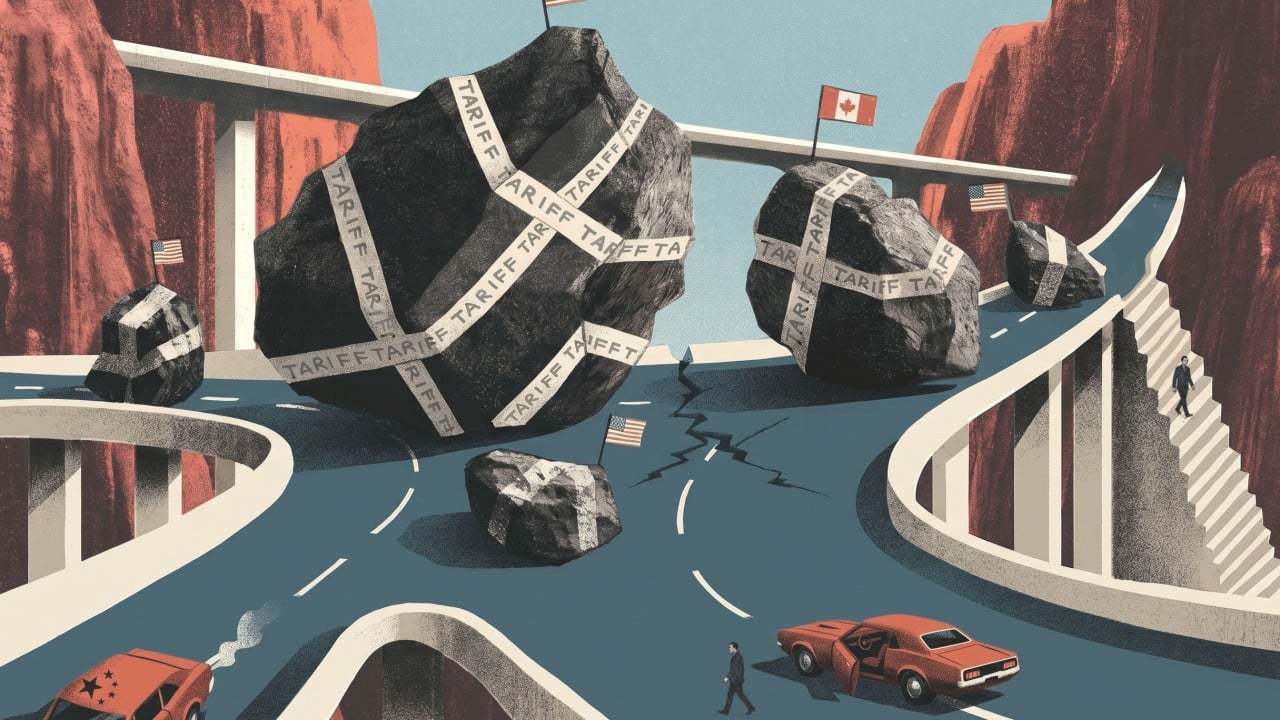
- Trump's goals of bringing manufacturing back to the US and weakening China have seen little success, instead damaging US economic stability and reputation.
- Despite historical suspicion, China and India, both vying to champion the Global South, are cautiously moving closer, a shift influenced by the changing global economic landscape.
The recent shifts in global economic dynamics, largely catalyzed by the unpredictable policies of US President Donald Trump, have yielded a fascinating and consequential outcome: a cautious thawing of relations between China and India. For decades, these two Asian giants, with their ancient civilizations and burgeoning populations, have viewed each other with a mixture of suspicion and rivalry, each vying for influence as champions of the developing world.
Perhaps the most fascinating and important aspects of US President Donald Trump’s jolt to the global economy have been its unintended consequences, especially the impact on relations between China and India.
Trump's 'America First' agenda, aimed at reshoring manufacturing and curbing China's economic ascent, has largely failed to achieve its stated objectives. Instead, its most significant impact has been on the global economic order, creating instability and damaging the United States' reputation as a reliable economic partner. This disruption has inadvertently created space for alternative geopolitical and economic alignments to emerge.
The impact on Washington’s reputation as an anchor for global economic stability has been nothing short of catastrophic.
China, with its consistent strategic vision and commitment to multilateralism, has been adept at navigating these changes. Its role in fostering the rise of the Global South has become increasingly prominent. India, too, is re-evaluating its position in this evolving landscape. The historical rivalry between New Delhi and Beijing, rooted in differing socialist models and competing regional ambitions, now faces a new context.
China’s rise is also unimpaired, not least due to its strategic consistency, unwavering advocacy and preference for multilateral problem-solving, and its role in enabling the parallel rise of the Global South, which brings us to its relations with India.
From a Chinese perspective, as reported by the South China Morning Post, this development is noteworthy. While Western media might focus on the immediate impacts of Trump's policies on the US, the long-term geopolitical realignments, particularly the strengthening of ties between two of Asia's most populous nations, represent a significant shift in the global balance of power. This rapprochement, driven by shared challenges and opportunities in a post-Trump global economy, could redefine regional dynamics for decades to come.
One consistent conundrum of the past eight decades has been the suspicion and rivalry between New Delhi and Beijing.
About this summary
Originally published by South China Morning Post in English. Translated, summarized, and contextualized automatically by DistantNews, with a note on how the source frames the story. Not individually reviewed before publishing. How this works.
More Stories

From Our Blog

Countries Without a Free Press: The 2026 List and What It Means for Readers

What Press Freedom Means for the News You Read

News in Translation: What Gets Lost, and How We Keep the Framing

Diaspora Media: How Communities Abroad Follow Home

Traveling Where the Press Is Not Free: How to Read the News There
