

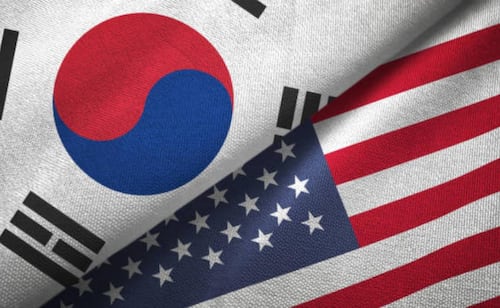
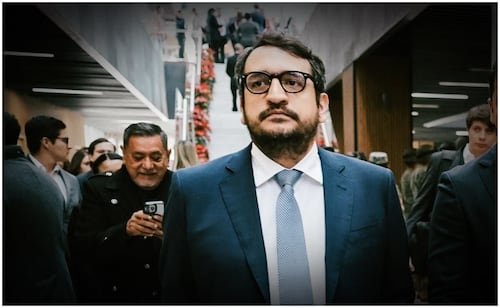
Trump's return signals escalating U.S. pressure on Mexico
Translated from Spanish, summarized and contextualized by DistantNews.
At a glance
News
Named sources
Context piece
- Former U.S. President Donald Trump's potential return to the White House has intensified threats of intervention in Mexico, citing insufficient cooperation on drug trafficking and border security.
- Trump's radicalized and protectionist stance has led to threats of tariffs, anti-immigrant crackdowns, and controversial statements towards Mexican President Claudia Sheinbaum Pardo.
- Several Mexican officials, including governors and mayors, have reportedly had their U.S. visas revoked under the Trump administration, with Secretary of State Marco Rubio emphasizing that visas are not a right.
The prospect of Donald Trump returning to the U.S. presidency has escalated tensions with Mexico, marked by renewed threats of intervention and criticism over the country's efforts against drug trafficking and border security. Trump's potential second term, beginning January 20, 2025, is anticipated to feature a more protectionist and hardline approach, including executive orders on national border emergencies and designating drug cartels as foreign terrorist organizations.
This shift has already been felt by Mexican officials. In May 2025, the governor of Baja California, Marina del Pilar Ávila Olmeda, and her then-husband had their visas revoked, with no specific reasons provided. Similarly, Héctor Astudillo Flores, former governor of Guerrero, and Juan Francisco Gim, mayor of Nogales, Sonora, reportedly faced visa cancellations in July and August 2025, respectively. Unofficial sources suggest Gim was briefly detained while attempting to cross the border.
Visas are not a right.
U.S. Secretary of State Marco Rubio has been a vocal proponent of Trump's restrictive immigration policies, stating, "Visas are not a right." He asserted in February 2026 that the U.S. would revoke visas for individuals whose presence is deemed a threat to national security or foreign policy. This stance underscores a potential for increased friction between the two nations, particularly concerning cross-border issues.
Trump's discontent has also extended to economic measures. In July 2025, he announced tariff impositions, signaling a willingness to leverage economic tools in his dealings with Mexico. President Claudia Sheinbaum Pardo has consistently advocated for respect for national sovereignty and non-intervention, positioning her government's stance in contrast to Trump's assertive approach. The ongoing dynamic suggests a challenging period ahead for U.S.-Mexico relations, heavily influenced by the U.S. administration's policies and rhetoric.
If I identify someone who I believe is present, someone who is not, who is a visitor, a guest to the United States, and we determine that their presence in our country represents a threat to our foreign policy, to our national security, we will revoke their visa.
DistantNews Editorial
Originally published by El Universal in Spanish. Translated, summarized, and contextualized by our editorial team with added local perspective. Read our editorial standards.
More Stories
From Our Blog

What Press Freedom Means for the News You Read

What Gets Lost (and Found) When News Is Translated

The Critical Role of Diaspora Media in Global News

What Travellers Should Know About Countries with Restricted Press

A Digital Nomad's Guide to Following Local News
