


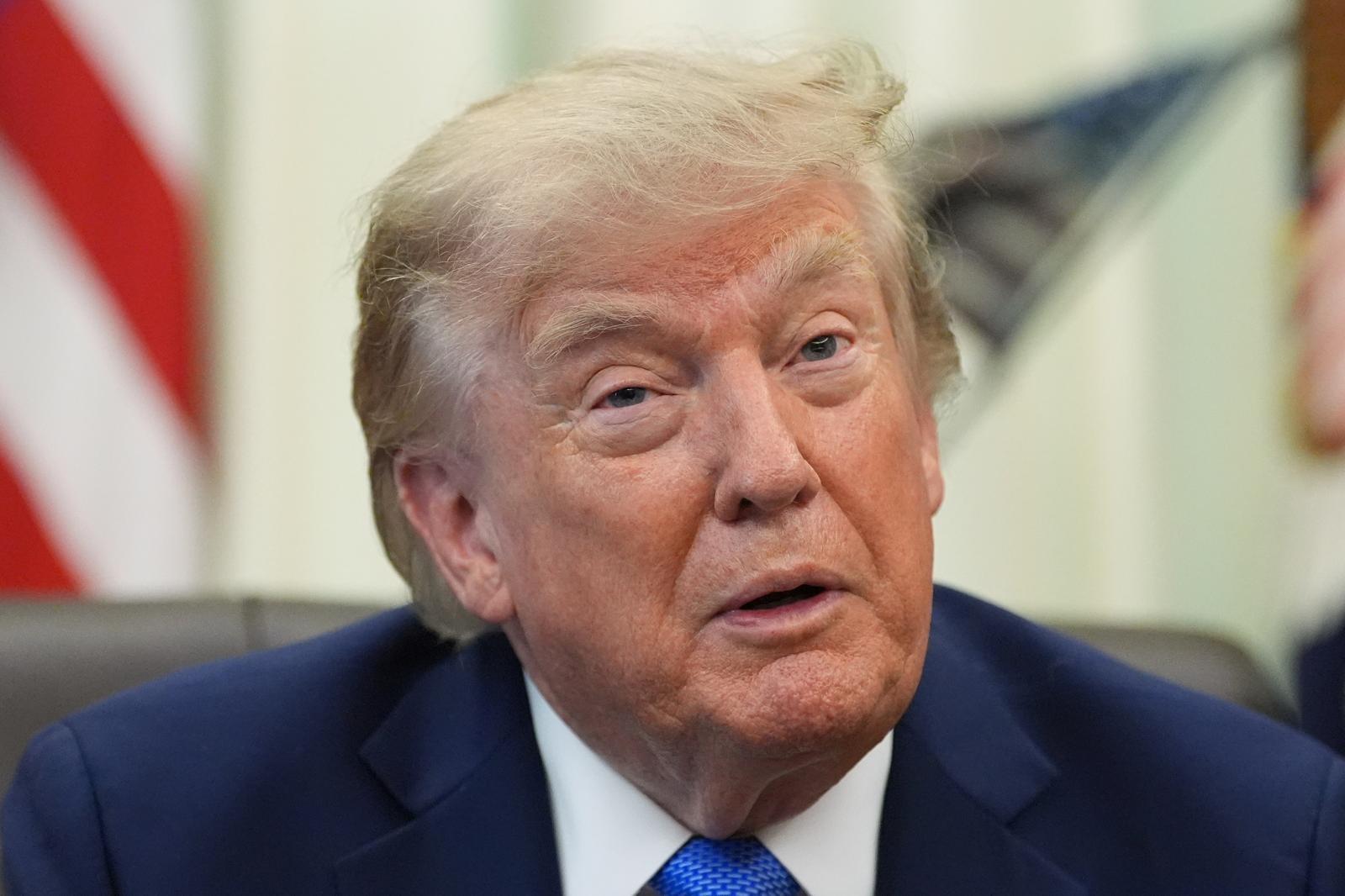
Trump's WWII Carrier Aesthetic Prompts Navy Review of Ford-Class Design
Translated from Korean and summarized by DistantNews. Read the original for the full story.
At a glance
News
Named sources
Under investigation
- U.S. President Donald Trump reportedly favors a World War II-era aircraft carrier aesthetic, prompting the Navy to consider redesigning the Ford-class carriers.
- The Navy is reviewing changes to the island structure and potentially reverting advanced systems like the electromagnetic catapult to older steam-powered versions.
- These proposed changes raise concerns about billions in additional costs, construction delays, and potential weakening of next-generation carrier capabilities.
U.S. President Donald Trump's preference for a World War II-era aesthetic for aircraft carriers is leading the Navy to consider significant design modifications for its latest Ford-class carriers. Reports indicate the Navy is exploring relocating the 'island' – the command and control facility – from its current position towards the front of the ship, a change driven by Trump's expressed desire for a look reminiscent of carriers from the Second World War. This proposed alteration is more than a superficial cosmetic adjustment; it could necessitate a major redesign impacting the ship's overall weight distribution and buoyancy. Experts describe this as a "major redesign," according to the Washington Post, which cited several former and current U.S. officials. The potential financial and logistical ramifications are substantial. With several Ford-class carriers already under construction or in sea trials, and plans for up to ten such vessels over the next four decades, altering the design could add billions of dollars to the projected cost of approximately $22 billion per ship. Furthermore, such changes risk delaying construction schedules. Trump is also reportedly pushing to revert other advanced systems on the Ford-class, such as the electromagnetic aircraft launch system (EMALS), back to older steam-powered technology. These potential shifts have sparked concerns within the Navy about increased costs, construction delays, and a potential degradation of the carriers' capabilities. The article also touches upon the broader context of U.S. military readiness, noting the strain on naval forces due to the prolonged conflict in Iran and concerns about U.S. deterrence in the Indo-Pacific region amidst China's military assertiveness.
About this summary
Originally published by Dong-A Ilbo in Korean. Translated, summarized, and contextualized automatically by DistantNews, with a note on how the source frames the story. Not individually reviewed before publishing. How this works.
More Stories


From Our Blog

What Gets Lost (and Found) When News Is Translated

The Critical Role of Diaspora Media in Global News

What Travellers Should Know About Countries with Restricted Press

A Digital Nomad's Guide to Following Local News

How the Same Story Looks Different in Different Countries
