

Trump sends Saudi nuclear deal to Congress, links approval to Israel normalization
Translated from English, summarized and contextualized by DistantNews.
At a glance
News
Sources not specified
New plan
- The US has submitted a 30-year civil nuclear agreement with Saudi Arabia to Congress for review.
- The deal's finalization is contingent on Saudi Arabia normalizing relations with Israel, as part of the Abraham Accords.
- The agreement aims to give US companies a key role in Saudi nuclear infrastructure development, while the US insists on non-proliferation safeguards.
A landmark civil nuclear agreement between the United States and Saudi Arabia has been sent to Congress for review, marking a significant step in energy cooperation between the two nations.
The 30-year accord, signed by US Energy Secretary Chris Wright and Saudi Energy Minister Prince Abdulaziz bin Salman, is poised to ignite months of debate among US lawmakers. The core of the agreement involves expanding the American nuclear industry's reach while simultaneously working to prevent the spread of nuclear weapons in the Middle East.
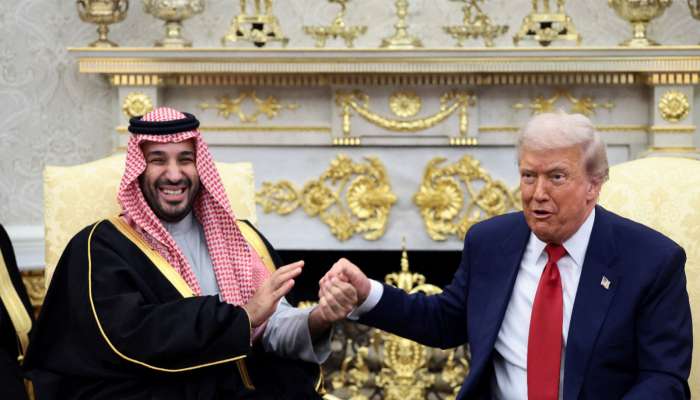
Crucially, the deal remains tied to Saudi Arabia's normalization of relations with Israel. President Donald Trump has consistently maintained that the nuclear partnership is conditional on Riyadh joining the Abraham Accords, a series of US-brokered agreements establishing diplomatic ties between Israel and several Arab nations. Trump reiterated this stance on social media, stating the civil nuclear deal would be approved only if Saudi Arabia joined the accords.
The Civil Nuclear Deal... will be approved, but is totally subject to Saudi Arabia joining the very respected and successful Abraham Accords.
According to The Wall Street Journal, the agreement could grant U.S. companies a central role in developing Saudi Arabia's nuclear infrastructure. This might potentially open the door for uranium enrichment on Saudi territory, though the U.S. maintains the accord complies with the US Atomic Energy Act and includes robust non-proliferation safeguards. Saudi officials have also stated the agreement will support their national energy diversification goals while adhering to international safety standards.
Despite Washington's push to broaden the Abraham Accords, Saudi Arabia has repeatedly emphasized that formal diplomatic recognition of Israel is contingent on a clear and credible pathway toward the establishment of an independent Palestinian state. This position has remained consistent, even as negotiations over the nuclear framework have continued across successive U.S. administrations, facing past obstacles related to non-proliferation requirements.
The United States is not opposed to Civil (Non-Enriched) Nuclear Facilities.
DistantNews Editorial
Originally published by Times of Oman in English. Translated, summarized, and contextualized by our editorial team with added local perspective. Read our editorial standards.
More Stories

From Our Blog

What Gets Lost (and Found) When News Is Translated

The Critical Role of Diaspora Media in Global News

What Travellers Should Know About Countries with Restricted Press

A Digital Nomad's Guide to Following Local News

How the Same Story Looks Different in Different Countries
