



Trump suggests standing order to destroy Iran if it kills him, but it’s not that simple
Summarized and contextualized by DistantNews.
At a glance
News
Sources not specified
Context piece
- Donald Trump suggested a standing order to destroy Iran if it retaliates against him.
- However, the U.S. lacks a mechanism for such an automatic, pre-authorized response.
- Any decision to retaliate would fall to his successor.
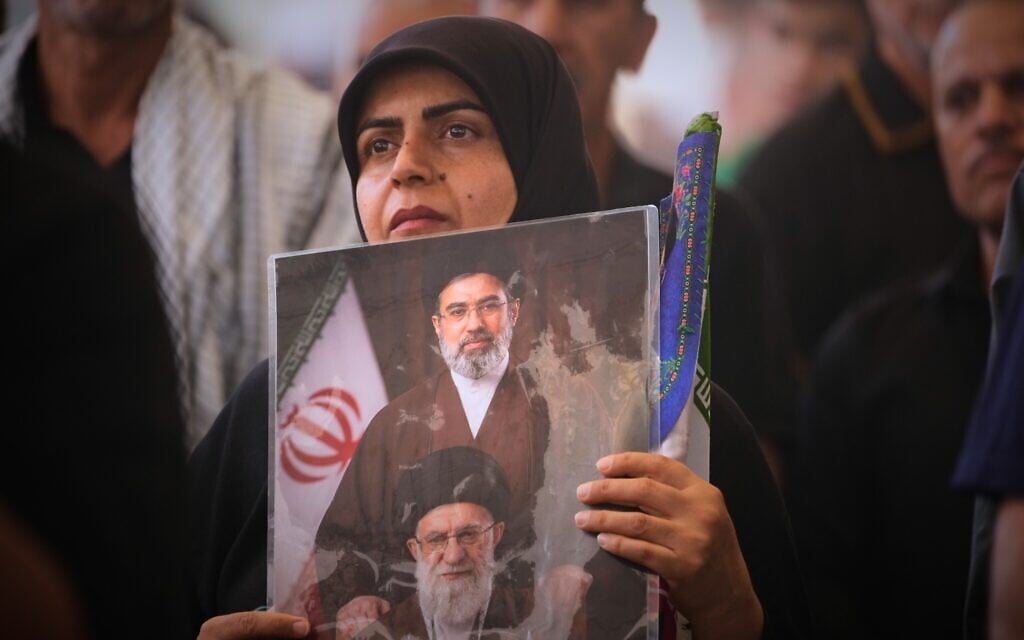
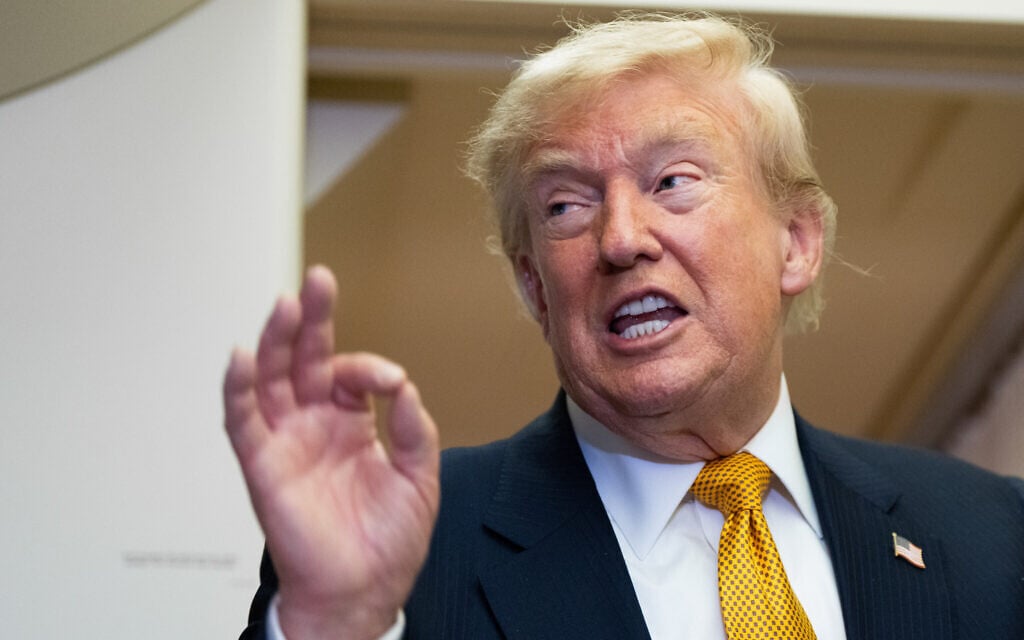
Donald Trump has proposed a standing order to destroy Iran if the country were to kill him. However, implementing such a policy faces significant logistical and legal hurdles. The U.S. does not possess a mechanism for an automatic, pre-authorized "dead man's switch" retaliation.
Such a decision, involving a potentially catastrophic response, would instead fall to Trump's successor. This highlights the complexities and potential dangers of preemptive or automatic retaliatory doctrines in international relations. The proposal raises questions about presidential authority, the limits of executive power, and the process for authorizing military action.
The article notes that the concept of a "dead man's switch" in this context is not straightforward. It implies that while a president might issue such a directive, its execution would likely require further authorization or be subject to the judgment of the next administration, underscoring the checks and balances inherent in the U.S. system, even in extreme scenarios.
DistantNews Editorial
Originally published by Times of Israel. Summarized and contextualized by our editorial team with added local perspective. Read our editorial standards.
More Stories

From Our Blog

What Gets Lost (and Found) When News Is Translated

The Critical Role of Diaspora Media in Global News

What Travellers Should Know About Countries with Restricted Press

A Digital Nomad's Guide to Following Local News

How the Same Story Looks Different in Different Countries
