


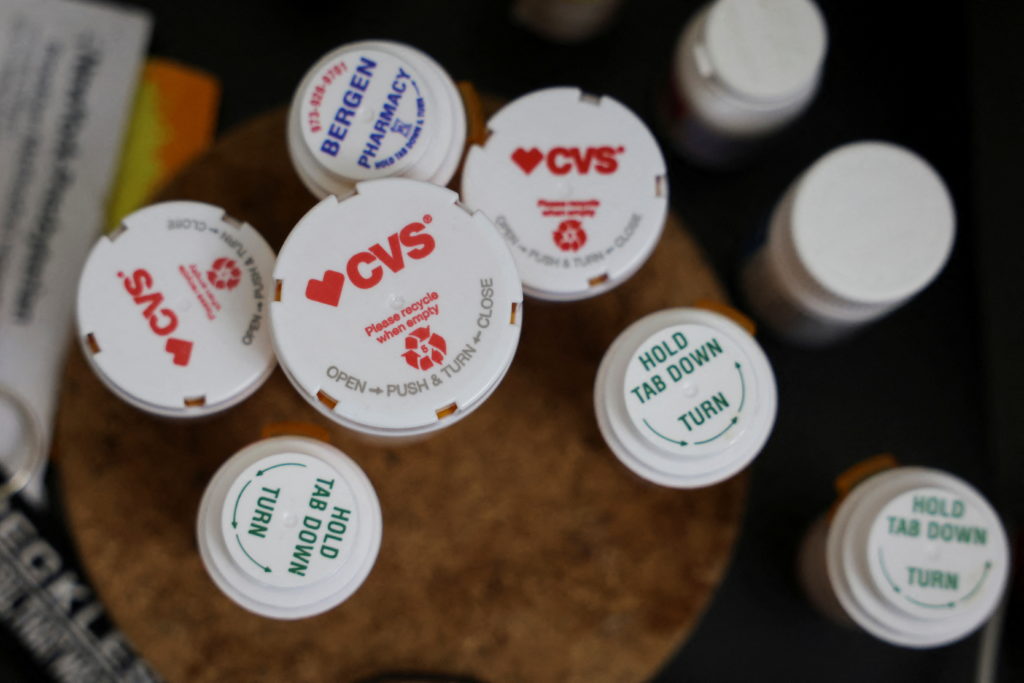
Trump Takes Credit for Falling Drug Prices, But Reality Is More Complex
Translated from English, summarized and contextualized by DistantNews.
At a glance
News
Named sources
Context piece
- President Trump claims credit for a recent 0.8% drop in U.S. prescription drug prices, citing his policies.
- Experts suggest the price decline is more complex, influenced by factors like the Biden administration's Inflation Reduction Act and increased generic competition.
- The prescription drug price index measures pharmacy reimbursement rates, not direct consumer costs, making attribution difficult.
President Donald Trump has asserted that his administration's policies, including "most favored nation" drug deals and the TrumpRx website, are responsible for a recent 0.8% decrease in U.S. prescription drug prices in July, marking the steepest year-over-year drop since 1963.
However, drug pricing experts argue that the situation is more complex. They point to other significant factors, such as the 2022 Inflation Reduction Act, enacted during President Joe Biden's term, which empowers Medicare to negotiate drug prices. This policy, along with the increased availability of generic and biosimilar alternatives, is seen as a more substantial contributor to the falling prices.
It's difficult to know in one number what's going on beneath the hood. I don't think we can attribute this price reduction to any one specific policy change or initiative.
Furthermore, experts note that the prescription drug price index, as measured by the Labor Department, does not directly reflect consumer out-of-pocket expenses. Instead, it tracks how much pharmacies are reimbursed for drugs by both insurers and consumers. This distinction makes it challenging to pinpoint the exact impact of specific policies on individual patient costs.
Juliette Cubanski, a vice president at KFF, stated, "It's difficult to know in one number what's going on beneath the hood. I don't think we can attribute this price reduction to any one specific policy change or initiative." Health policy researchers like Dr. Benjamin Rome from Harvard Medical School and Stacie Dusetzina from Vanderbilt University School of Medicine emphasize that market competition, particularly from generics and biosimilars entering the market for blockbuster drugs, significantly drives down prices. They also acknowledge that Biden-era policies, like the Inflation Reduction Act's drug price negotiation provisions, likely played a role.
when big blockbuster products face generic competition, their prices fall.
DistantNews Editorial
Originally published by PBS NewsHour in English. Translated, summarized, and contextualized by our editorial team with added local perspective. Read our editorial standards.
More Stories


From Our Blog

How the Same Story Looks Different in Different Countries

What Gets Lost (and Found) When News Is Translated

The Critical Role of Diaspora Media in Global News

What Travellers Should Know About Countries with Restricted Press

A Digital Nomad's Guide to Following Local News
