

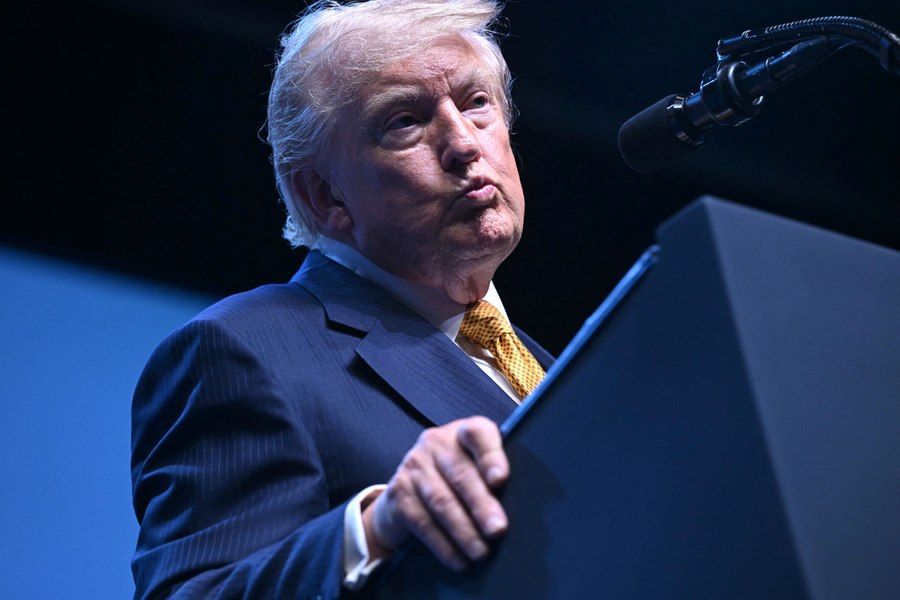

Trump threatens Iran with a 'powerful strike' if Tehran doesn't quickly accept a peace deal
Translated from Romanian and summarized by DistantNews. Read the original for the full story.
At a glance
News
Named sources
Context piece
- Donald Trump has again threatened Iran with significant U.S. strikes if Tehran does not accept Washington's demands for a Middle East peace deal.
- Trump stated he was hours away from ordering new strikes but decided against it, potentially influenced by a new peace proposal from Tehran via Pakistan and allied reluctance to resume hostilities.
- Analysts suggest both sides are in a stalemate, avoiding war but unwilling to make the concessions needed for a peace agreement, while Iran continues to disrupt maritime traffic in the Strait of Hormuz.
From the perspective of Adevărul, a Romanian newspaper:
We were one hour away from making the decision to strike even today.
Donald Trump's rhetoric towards Iran continues to be a volatile mix of threats and diplomatic posturing, a familiar pattern in his foreign policy approach. The latest warnings of "powerful strikes" if Iran fails to meet U.S. demands underscore the high stakes in the region. Trump's claim of being on the verge of launching new attacks, only to pull back, suggests a complex decision-making process, possibly influenced by international pressure and the delicate balance of regional alliances, including key players like Saudi Arabia and the UAE.
The article highlights the ongoing stalemate between Washington and Tehran. While Trump issues ultimatums, Iran, through intermediaries like Pakistan, appears to be seeking a path to de-escalation, albeit on its own terms. The analysts quoted point to a critical impasse: neither side wants a full-blown conflict, yet neither is prepared to make the significant political concessions required for a lasting peace agreement. This deadlock, coupled with Iran's continued disruption of the Strait of Hormuz, keeps the region on edge.
They are begging for an agreement... We cannot allow them to obtain a new nuclear weapon.
From a Romanian perspective, observing these geopolitical tensions is crucial. The potential for renewed conflict in the Middle East has far-reaching implications, impacting global energy markets and international stability. Trump's "America First" approach, characterized by direct threats and a transactional view of diplomacy, contrasts sharply with more traditional, multilateral diplomatic efforts. The situation underscores the unpredictable nature of U.S. foreign policy under Trump and the challenges it presents to allies and adversaries alike, leaving many to wonder how this precarious standoff will ultimately be resolved.
Trump's threats have lost almost all credibility. The two sides are too far apart on the things they are willing to accept or negotiate, but neither wants to return to war. So the situation is blocked, and nobody really knows how to get out of this impasse.
About this summary
Originally published by Adevărul in Romanian. Translated, summarized, and contextualized automatically by DistantNews, with a note on how the source frames the story. Not individually reviewed before publishing. How this works.
More Stories

From Our Blog

News in Translation: What Gets Lost, and How We Keep the Framing

Diaspora Media: How Communities Abroad Follow Home

Traveling Where the Press Is Not Free: How to Read the News There

The Digital Nomad's Guide to Local News

The Same Story, Different Countries: How Coverage Changes at the Border
