

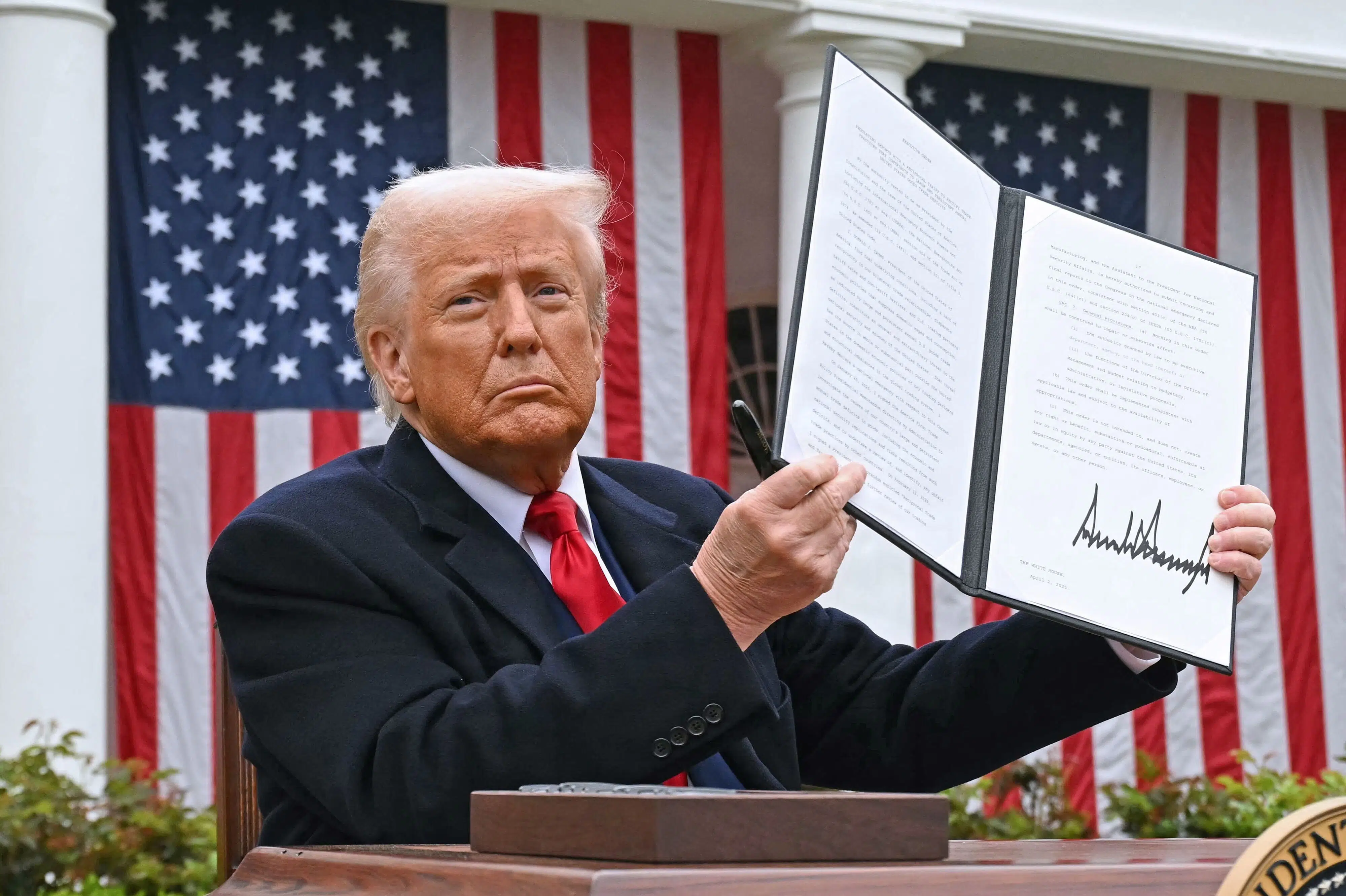

Trump Urges Oil Companies to Lower Fuel Prices Amid High Profits
Translated from Danish, summarized and contextualized by DistantNews.
At a glance
News
From a news agency
Context piece
- U.S. President Donald Trump has called on oil companies like ExxonMobil and Chevron to lower fuel prices, stating they are making excessive profits.
- Trump expressed his disapproval of the high prices, particularly in light of strong quarterly earnings reported by several oil companies.
- His remarks signal a departure from his typical alignment with the oil industry, as gas prices have risen significantly.
U.S. President Donald Trump has publicly urged major oil companies, including ExxonMobil and Chevron, to reduce their fuel prices, asserting that they are profiting excessively. Trump stated his displeasure directly to journalists, declaring, "I don't like it. Chevron – too much money. ExxonMobil, too much. Too much money."
This statement comes just days after several oil companies announced robust second-quarter financial results. The ongoing conflict in Iran has also contributed to persistently high oil prices. Companies like Valero Energy and Marathon Petroleum reported strong earnings, with Valero achieving its best quarterly profit since the 2022 energy crisis triggered by Russia's invasion of Ukraine, and Chevron posting its best results in at least six years.
Trump directly addressed the companies, stating, "They better lower the retail price, the consumer price." He also predicted that oil prices would "fall through the floor" once the conflict with Iran concludes. This intervention marks a notable shift from Trump's usual stance of supporting the oil industry.
According to Reuters, gasoline prices in the U.S. have surged by more than 30% since the U.S. and Israel launched attacks on Iran on February 28. Trump's call for lower prices appears to be an attempt to address consumer concerns amid rising fuel costs.
Jeg kan ikke lide det. Chevron - for mange penge. ExxonMobil, for meget. For mange penge
DistantNews Editorial
Originally published by Berlingske in Danish. Translated, summarized, and contextualized by our editorial team with added local perspective. Read our editorial standards.
More Stories
From Our Blog

What Gets Lost (and Found) When News Is Translated

The Critical Role of Diaspora Media in Global News

What Travellers Should Know About Countries with Restricted Press

A Digital Nomad's Guide to Following Local News

How the Same Story Looks Different in Different Countries
