


Tumble temporarily over: More steel is being produced - but probably no trend reversal
Translated from German, summarized and contextualized by DistantNews.
At a glance
News
From a news agency
New plan
- German crude steel production increased by 9% in the first half of 2026 compared to the previous year.
- Despite the rise, production levels remain below pre-pandemic figures, and the industry faces ongoing challenges.
- New EU customs rules offer hope, but the industry calls for government support and demand stimulus.
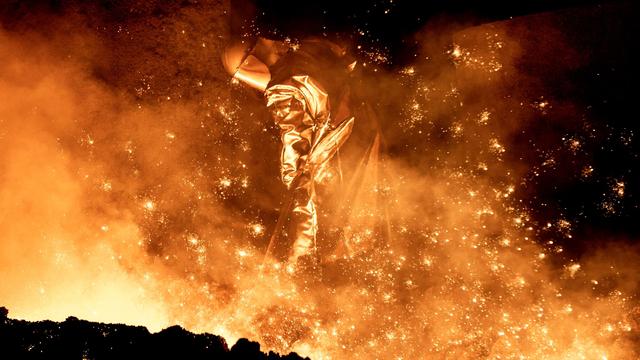
Germany's struggling steel industry has seen a modest upturn in production, with crude steel output rising by nine percent in the first half of 2026. Approximately 18.6 million tons were produced, a notable increase from the same period last year. However, this recovery does not yet signal a sustainable trend reversal, as production levels remain below those of the first half of 2024, when 19.4 million tons were manufactured.
A real recovery only begins when real steel demand returns.
Industry representatives caution that the current figures, if extrapolated to the full year, would result in around 37 million tons of crude steel. This is significantly below the 40 million tons needed for economically viable capacity utilization. The primary concern remains the persistently weak demand from key sectors such as construction, mechanical engineering, and the automotive industry. "A real recovery only begins when real steel demand returns," stated Kerstin Maria Rippel, CEO of the Wirtschaftsvereinigung Stahl (Steel Industry Association).
The increase in production should not obscure the fact that the steel industry continues to be in a difficult situation.
While the increase in production is partly attributed to technical adjustments and companies replenishing inventories, the industry is looking to new EU customs regulations, implemented in July, for potential relief. These rules impose additional duties on steel imports under specific criteria, aiming to combat cheap imports from Asia that have hampered German manufacturers. Rippel emphasized the importance of this trade protection instrument for the German and European steel sectors.
The trade protection instrument is indispensable for the steel location Germany and Europe.
To foster a sustainable recovery, the Wirtschaftsvereinigung Stahl is urging policymakers to provide additional demand stimulus. Rippel highlighted the significance of the planned 500 billion euros in government infrastructure investments over the coming years, stressing that these funds must be channeled into the economy quickly to create a decisive economic impulse. The association also advocates for preferential treatment of domestic steel producers in public procurement processes, proposing a binding "Made-in-EU" criterion in tender procedures.
These announced investments must reach the economy as quickly as possible. This can create a decisive economic impulse.
DistantNews Editorial
Originally published by Die Zeit in German. Translated, summarized, and contextualized by our editorial team with added local perspective. Read our editorial standards.
More Stories

From Our Blog

What Gets Lost (and Found) When News Is Translated

How the Same Story Looks Different in Different Countries

The Critical Role of Diaspora Media in Global News

What Travellers Should Know About Countries with Restricted Press

A Digital Nomad's Guide to Following Local News
