

Tunguska Mystery: The Exact Cause of Siberia's Massive Sky Explosion Remains Unknown
Translated from Hungarian, summarized and contextualized by DistantNews.
At a glance
In-depth
Sources not specified
Context piece
- The Tunguska event, which occurred in Siberia, remains a mystery regarding the exact nature of the celestial explosion.
- It is recognized as the largest cosmic-origin explosion in human history.
- Despite extensive study, the precise cause and details of the event are still not fully understood.
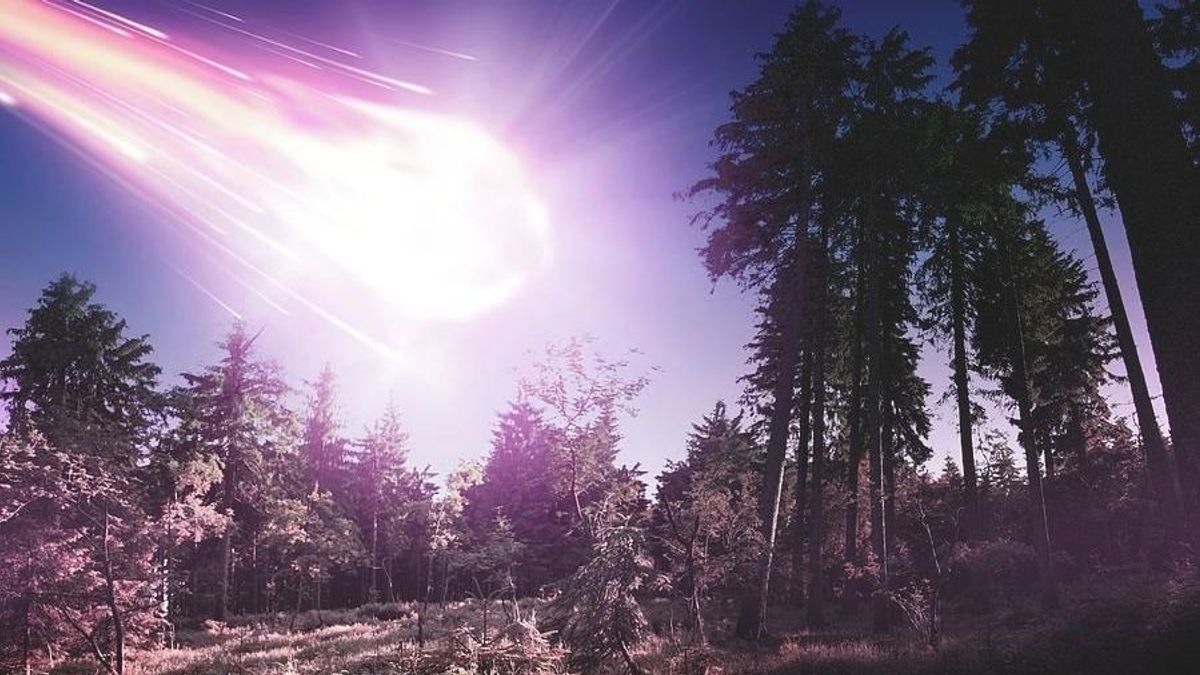
The Tunguska event, a colossal explosion that occurred in Siberia, continues to puzzle scientists and historians to this day. The exact nature of what detonated in the skies over the remote region remains unclear, making it one of history's most enduring cosmic mysteries.
This event, which took place in 1908, is recognized as the most powerful explosion of cosmic origin ever recorded in human history. It flattened an estimated 80 million trees over an area of 2,150 square kilometers (830 square miles). Despite numerous expeditions and extensive research, the precise cause of the Tunguska event, whether it was an asteroid or a comet fragment, is still debated.
Scholars have proposed various theories, ranging from an airburst of a meteoroid to more speculative ideas. However, the lack of a significant impact crater and the limited physical evidence recovered have made definitive conclusions elusive. The Tunguska event serves as a stark reminder of the potential impact of celestial objects on Earth and the challenges in fully understanding such phenomena.
DistantNews Editorial
Originally published by Magyar Nemzet in Hungarian. Translated, summarized, and contextualized by our editorial team with added local perspective. Read our editorial standards.
More Stories

From Our Blog

Countries Without a Free Press: What You Need to Know

What Press Freedom Means for the News You Read

What Gets Lost (and Found) When News Is Translated

The Critical Role of Diaspora Media in Global News

What Travellers Should Know About Countries with Restricted Press
