

Tupac Shakur Murder Trial Begins: Ex-Gang Leader Accused of Orchestrating Shooting
Translated from Turkish, summarized and contextualized by DistantNews.
At a glance
News
Named sources
In the courts
- Prosecutors allege Duane "Keffe D" Davis orchestrated the 1996 murder of rapper Tupac Shakur in retaliation for his nephew's assault.
- Davis, a former gang leader, denies pulling the trigger but admits to planning the shooting, according to prosecutors.
- The trial highlights the complex history of East Coast-West Coast rap rivalries and gang violence that plagued the hip-hop scene.
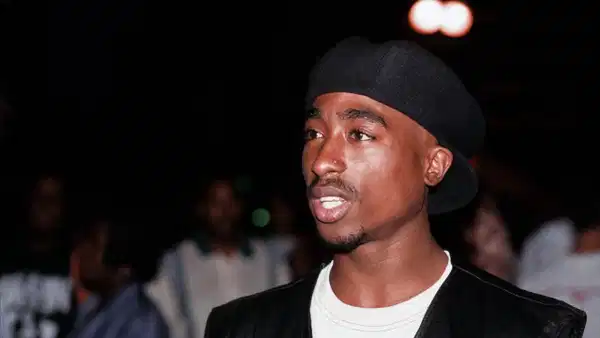
Prosecutors opened the murder trial of Duane "Keffe D" Davis by painting him as the mastermind behind the 1996 assassination of rap icon Tupac Shakur, seeking to hold him accountable for the shooting that occurred 30 years ago.
Let's be clear, Duane Davis did not pull the trigger. But he orchestrated the shooting.
Davis, a 63-year-old former gang leader, is accused of orchestrating the fatal Las Vegas drive-by shooting. While prosecutors concede Davis did not fire the fatal shots himself, they argue he masterminded the attack as retribution after his nephew, Orlando Anderson, was beaten by Shakur's associates earlier that day. "Let's be clear, Duane Davis did not pull the trigger. But he orchestrated the shooting," Deputy District Attorney Binu Palal told the jury, referencing Davis's own accounts in a memoir.
Davis's defense team has dismissed the prosecution's narrative as "fiction," arguing the case is built on a flawed, decades-old investigation. Davis himself has distanced himself from his memoir, claiming parts were fictionalized for sales and that he did not write the entire book. "What evidence do they have after 30 years?" asked his lawyer, Michael Sanft.
What evidence do they have after 30 years?
The trial delves into the volatile era of the 1990s hip-hop scene, marked by intense East Coast-West Coast rivalries and brutal turf wars between the Bloods and Crips street gangs. Police have long cited a lack of cooperation from witnesses, fueled by deep-seated distrust of law enforcement, as a major impediment to solving the case. However, those close to Shakur have accused authorities of treating them as suspects and failing to pursue crucial leads.
We'll handle it.
Prosecutors contend that the absence of official charges for so long stemmed from a code of silence within the gang and weapons underworld, where "silence means survival." They identified Davis as the "one person" who struggled to remain silent, noting he provided "many" statements about the case between 1998 and 2003. The prosecution's first witness, former Las Vegas police officer Garry Dale, recounted being with Shakur in the ambulance after the shooting, detailing how the rapper refused to identify his attackers, stating, "We'll handle it."
Silence means survival.
DistantNews Editorial
Originally published by Cumhuriyet in Turkish. Translated, summarized, and contextualized by our editorial team with added local perspective. Read our editorial standards.
More Stories

From Our Blog

What Gets Lost (and Found) When News Is Translated

The Critical Role of Diaspora Media in Global News

What Travellers Should Know About Countries with Restricted Press

A Digital Nomad's Guide to Following Local News

How the Same Story Looks Different in Different Countries
