


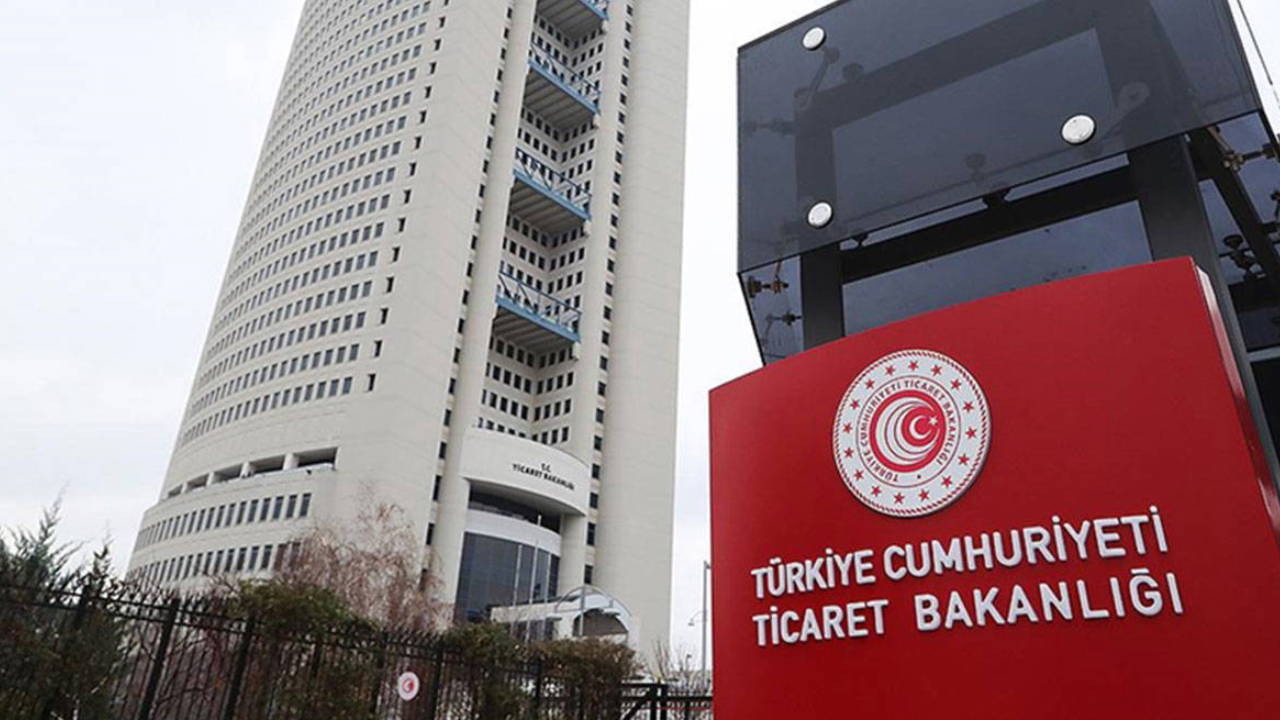
Turkey fines companies 218 million lira for misleading ads in 8 months
Translated from Turkish, summarized and contextualized by DistantNews.
At a glance
News
Official statement
New plan
- Turkey's Advertising Board imposed administrative fines totaling 218.4 million lira in the first eight months of the year for misleading advertisements and unfair commercial practices.
- The board fined a company 2.1 million lira for refusing to publish a customer review without a valid reason, deeming it an unfair commercial practice.
- Two companies were penalized for using multiple fake business names and addresses on online food ordering platforms, misleading consumers about restaurant locations and operations.
Turkey's Advertising Board has levied significant fines against companies for deceptive advertising and unfair commercial practices. In the first eight months of the year, the board imposed a total of 218.4 million lira in administrative fines. This action underscores the board's commitment to scrutinizing advertisements that mislead consumers, exploit their lack of information, undermine trust, or create unfair competition.
The board's 372nd meeting resulted in 87 cases being found in violation of regulations, leading to fines of 32.6 million lira. A notable decision involved a company fined 2.1 million lira for refusing to publish a customer review. The board deemed this an unfair commercial practice, especially when the review could have been posted under a different category without alteration.
Further investigations revealed deceptive practices in the online food delivery sector. Two companies were penalized for creating the impression of multiple distinct businesses operating from various addresses, when in reality, only a single restaurant was involved. This tactic misled consumers about the number of establishments and the origin of their orders.
In another case, a company was found to be misrepresenting the contents of its "cookie dessert." While the packaging prominently featured images of hazelnuts, pistachios, and apricot kernels, the product contained only 4% hazelnuts, 3% pistachios, and 3% apricot kernels. The dominant ingredient was peanuts at 49.5%, yet these were not visually represented on the packaging, leading to consumer deception.
Ürün içeriğinde çok daha düşük oranlarda bulunan bileşenlerin ambalaj üzerindeki görseller ve ambalajın genel tasarımı aracılığıyla belirgin şekilde ön plana çıkarılmasına karşın, ürünlerde en yüksek oranda bulunan yer
DistantNews Editorial
Originally published by Cumhuriyet in Turkish. Translated, summarized, and contextualized by our editorial team with added local perspective. Read our editorial standards.
More Stories



From Our Blog

What Gets Lost (and Found) When News Is Translated

The Critical Role of Diaspora Media in Global News

What Travellers Should Know About Countries with Restricted Press

A Digital Nomad's Guide to Following Local News

How the Same Story Looks Different in Different Countries
