


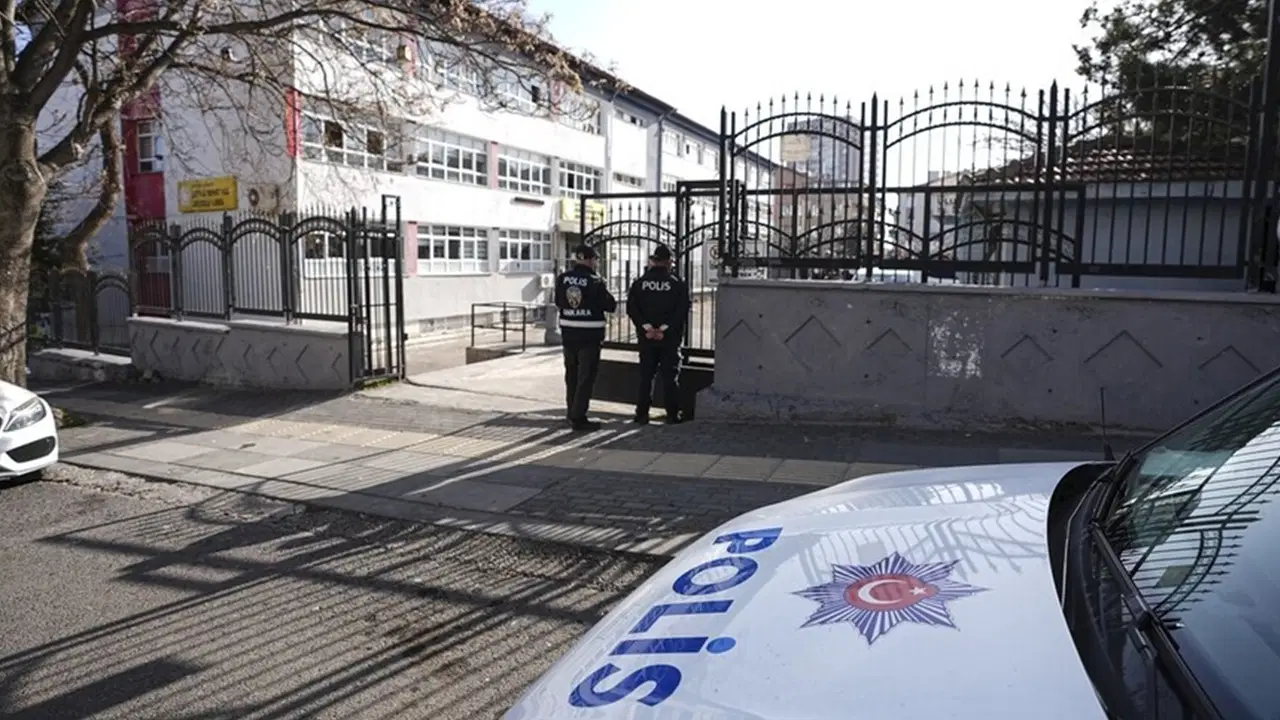
Turkey Launches New School Security Initiative with Detector Searches
Translated from Turkish, summarized and contextualized by DistantNews.
At a glance
News
Named sources
New plan
- Turkey is implementing a new security measure for schools, involving the deployment of 30,000 personnel hired through the İŞKUR program.
- These personnel will be authorized to conduct body searches with detectors at school entrances and exits nationwide.
- The initiative, coordinated by three ministries, aims to enhance security by controlling access and establishing a communication link between school administrations and law enforcement.
Turkey is set to introduce a significant new security protocol across all its schools, a measure coordinated by three key ministries. The initiative will see 30,000 individuals hired through the İŞKUR's Community Service Program (TYP) deployed to educational institutions across all 81 provinces.
A central feature of this new system, as reported by Emrah Özcan from the pro-government Türkiye newspaper, is the authority granted to these personnel to conduct body searches using metal detectors at school entrances and exits. These guards will meticulously screen everyone entering or leaving school grounds. They are instructed to contact law enforcement and gendarmerie forces immediately if they detect anything suspicious, thereby creating a vital communication bridge between school administrations and security forces.
This move follows a recent circular from the Ministry of Interior, which urged provincial governorates to conduct risk analyses around schools, increase surveillance camera systems, and establish early warning mechanisms. Before deployment, candidates will undergo thorough background security checks conducted by the Ministry of Interior. The Ministry of National Education will also assess their professional and pedagogical suitability for working in sensitive environments with children.
DistantNews Editorial
Originally published by Cumhuriyet in Turkish. Translated, summarized, and contextualized by our editorial team with added local perspective. Read our editorial standards.
More Stories

From Our Blog

What Gets Lost (and Found) When News Is Translated

The Critical Role of Diaspora Media in Global News

What Travellers Should Know About Countries with Restricted Press

A Digital Nomad's Guide to Following Local News

How the Same Story Looks Different in Different Countries
