



Turkey's Inflation Fight Leaves Employers and Workers Unhappy: 'Revision Won't Save It'
Translated from Turkish, summarized and contextualized by DistantNews.
TLDR
- Both employers and workers in Turkey are dissatisfied with the current anti-inflation program, criticizing its impact on production costs and purchasing power.
- Economists argue that the program relies too heavily on monetary policy and fails to address income disparities, with the poor experiencing higher inflation.
- Labor unions and industrialists alike are calling for a fundamental revision of the economic program, not just minor adjustments, to address issues like tax burdens on workers and rising production costs.
The economic program implemented in Turkey to combat inflation is facing widespread criticism from all segments of society, leaving both employers and workers deeply dissatisfied. Industrialists lament the rising production costs and difficulties in accessing finance, warning that "production is weakening." Simultaneously, labor unions decry the erosion of purchasing power and the disproportionate burden placed on workers, arguing that "the load is on the shoulders of the workers."
Production is weakening.
Economists like Prof. Dr. Aziz Konukman point out the program's shortcomings, noting that the current inflation basket does not accurately reflect people's lived realities. He highlights the inequity in how different groups, such as civil servants and other pensioners, are treated regarding inflation adjustments. Konukman advocates for separate inflation calculations tailored to different income groups, emphasizing that "the inflation of the poor is always higher" due to a greater share of food in their expenses. He concludes that without revising the inflation basket, resolving these issues is impossible.
The load is on the shoulders of the workers.
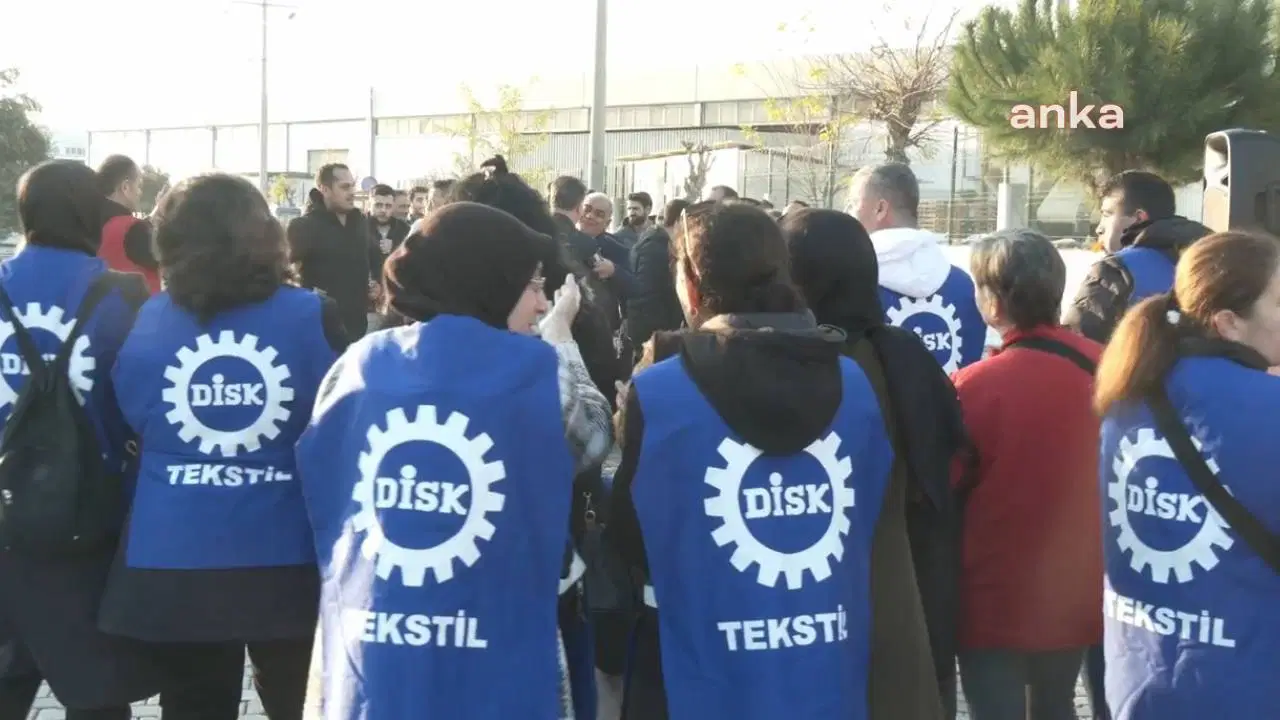
Labor representatives echo these concerns. Hayrettin Çakmak, Turkish Trade Unions (Türk-İş) Regional Representative, stressed that the current economic program has severe consequences for workers, particularly regarding the tax system. "Justice must be ensured in taxation. The bulk of the burden is on the worker. This situation is unsustainable," he stated, calling for wages to be updated in line with inflation and for energy and agricultural costs to be reduced. Deniz Şahin Gümüştekin, DİSK Aegean Regional Representative, similarly argued that the program's burden falls directly on low-income groups, characterizing the measures as "wage suppression under the guise of fighting inflation."
The inflation of the poor is always higher. Because the share of food in their spending is higher.
The consensus among these groups is clear: a mere revision of the current program is insufficient. What is needed is a fundamental shift towards a new economic model that prioritizes labor and addresses the systemic issues plaguing the Turkish economy. The lack of confidence in the existing approach is palpable, with calls for a comprehensive overhaul that includes income policies, fiscal measures, and legal reforms, rather than relying solely on monetary policy.
Justice must be ensured in taxation. The bulk of the burden is on the worker. This situation is unsustainable.
DistantNews Editorial
Originally published by Cumhuriyet in Turkish. Translated, summarized, and contextualized by our editorial team with added local perspective. Read our editorial standards.
More Stories


From Our Blog

What Gets Lost (and Found) When News Is Translated

The Critical Role of Diaspora Media in Global News

What Travellers Should Know About Countries with Restricted Press

A Digital Nomad's Guide to Following Local News

How the Same Story Looks Different in Different Countries
