



Turkey's parliament rejects opposition's 'framework law' proposal
Translated from Turkish, summarized and contextualized by DistantNews.
At a glance
News
Named sources
Context piece
- Turkey's parliament rejected a general debate proposal by the opposition İYİ Party on a law aimed at strengthening national solidarity and social integration.
- İYİ Party's Deputy Chairman Uğur Poyraz argued the proposed law violated Turkish constitution and anti-terrorism laws, questioning its alignment with democratic principles.
- Poyraz criticized the ruling party's proposal, stating it was presented despite ongoing arrests of mayors and restrictions on freedom of expression, and that it did not cover those arrested for alleged terror links.
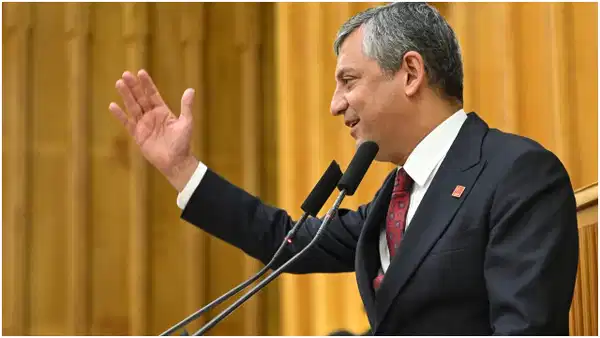
Turkey's parliament has rejected a proposal by the opposition İYİ Party to hold a general debate on a law intended to bolster national solidarity and social integration. The İYİ Party argued that the proposed legislation, put forth by the ruling party, contained fundamental contradictions with the constitution, Turkish penal laws, and anti-terrorism legislation.
There is no democracy, no human rights, no rights, no law, no justice; even the political parties that sloganize this signed this text.
İYİ Party's Deputy Chairman Uğur Poyraz explained that the party had submitted a formal objection to the Parliament Speaker regarding the bill's alleged violations. However, this objection was forwarded to the Justice Commission without a direct response. Poyraz highlighted a report from February 18, 2026, by the National Solidarity, Brotherhood, and Democracy Commission, noting that political parties advocating for democracy and human rights had signed onto the initial text, which the current bill is based on.
Poyraz read from the ruling party's justification for the bill, which claimed it would strengthen the state's democratic and legal nature, enhance national unity, and secure the nation's future. He expressed skepticism, questioning how a party in power for 25 years could still be discussing the need to approach a rule of law or protect public order. He also pointed out the irony of discussing social integration while many local officials remain imprisoned and freedom of expression is curtailed.
Now, I have the general justification; it is the general justification of a bill prepared by the ruling party for twenty-five years, I am reading, everyone listen.
The opposition deputy further scrutinized the bill's scope, asserting that it primarily targets terrorists associated with the KCK and PKK. He argued that it fails to protect individuals, such as mayors, who have been detained or arrested for alleged affiliations, implying a selective application of justice. Poyraz suggested that the bill's framework did not align with the principles of justice and human rights it claimed to uphold.
This bill covers terrorists who founded, managed, and were members of the KCK and PKK terrorist organizations, terrorists; it does not cover those taken into custody, arrested for being a mayor.
DistantNews Editorial
Originally published by Cumhuriyet in Turkish. Translated, summarized, and contextualized by our editorial team with added local perspective. Read our editorial standards.
More Stories

From Our Blog

What Gets Lost (and Found) When News Is Translated

The Critical Role of Diaspora Media in Global News

What Travellers Should Know About Countries with Restricted Press

A Digital Nomad's Guide to Following Local News

How the Same Story Looks Different in Different Countries
